
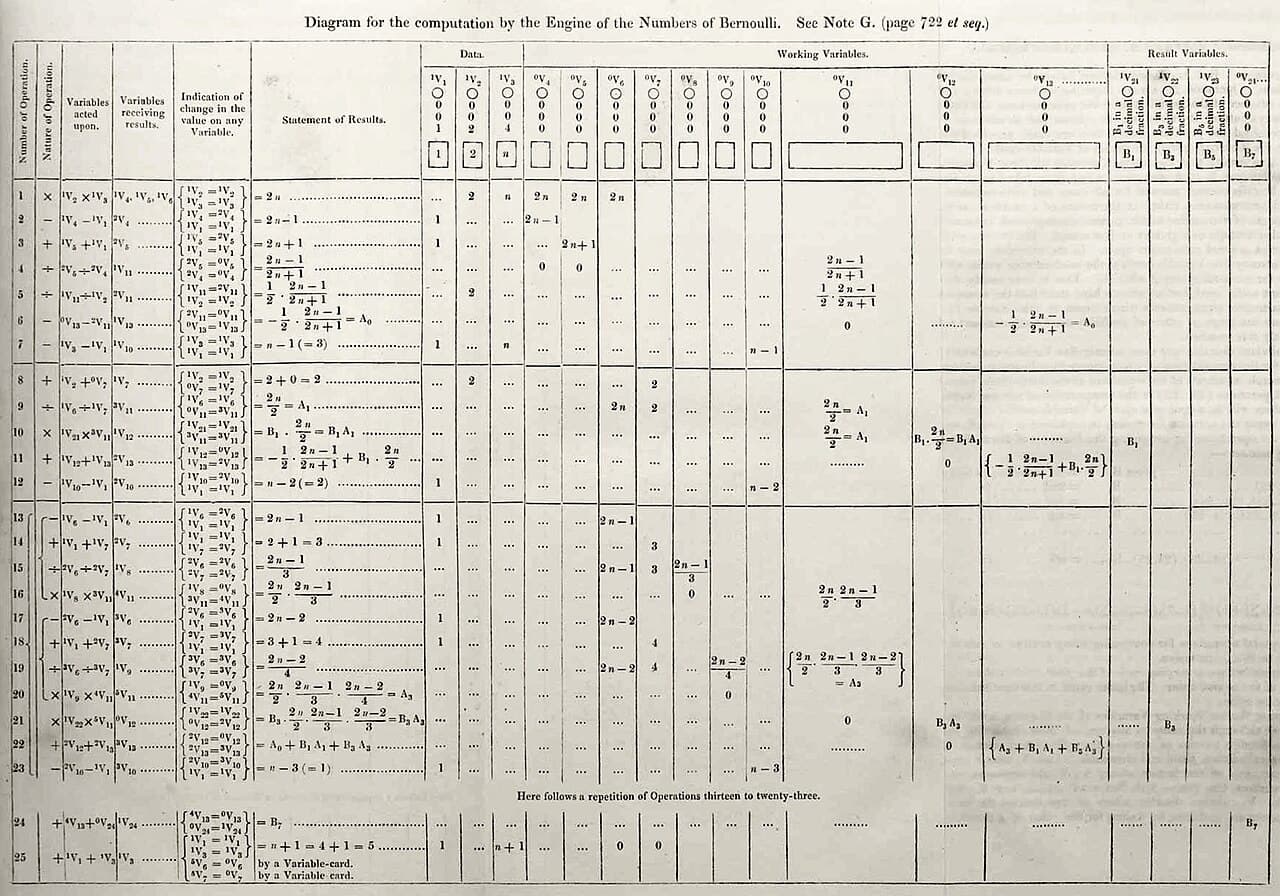
In October 1843, the pages of Taylor's Scientific Memoirs carried a document that might have seemed an academic curiosity. What lay within was not only a translation of Luigi Menabrea's 1842 paper on Charles Babbage's Analytical Engine but an intellectual endeavour of remarkable depth by a young mathematician named Ada Lovelace. The document consisted of approximately 8,000 words of translation and nearly three times that in her own 'Notes.' Among these notes, Note G contained something unprecedented: a step-by-step procedure for computing Bernoulli numbers. This was, in essence, a program—a sequence of operations that could be executed by a machine that had yet to take physical form. The Analytical Engine itself was a mechanical marvel that existed only in Babbage's meticulous plans, but Lovelace's work brought it a step closer to reality, if only on paper.
Who Ada Lovelace was
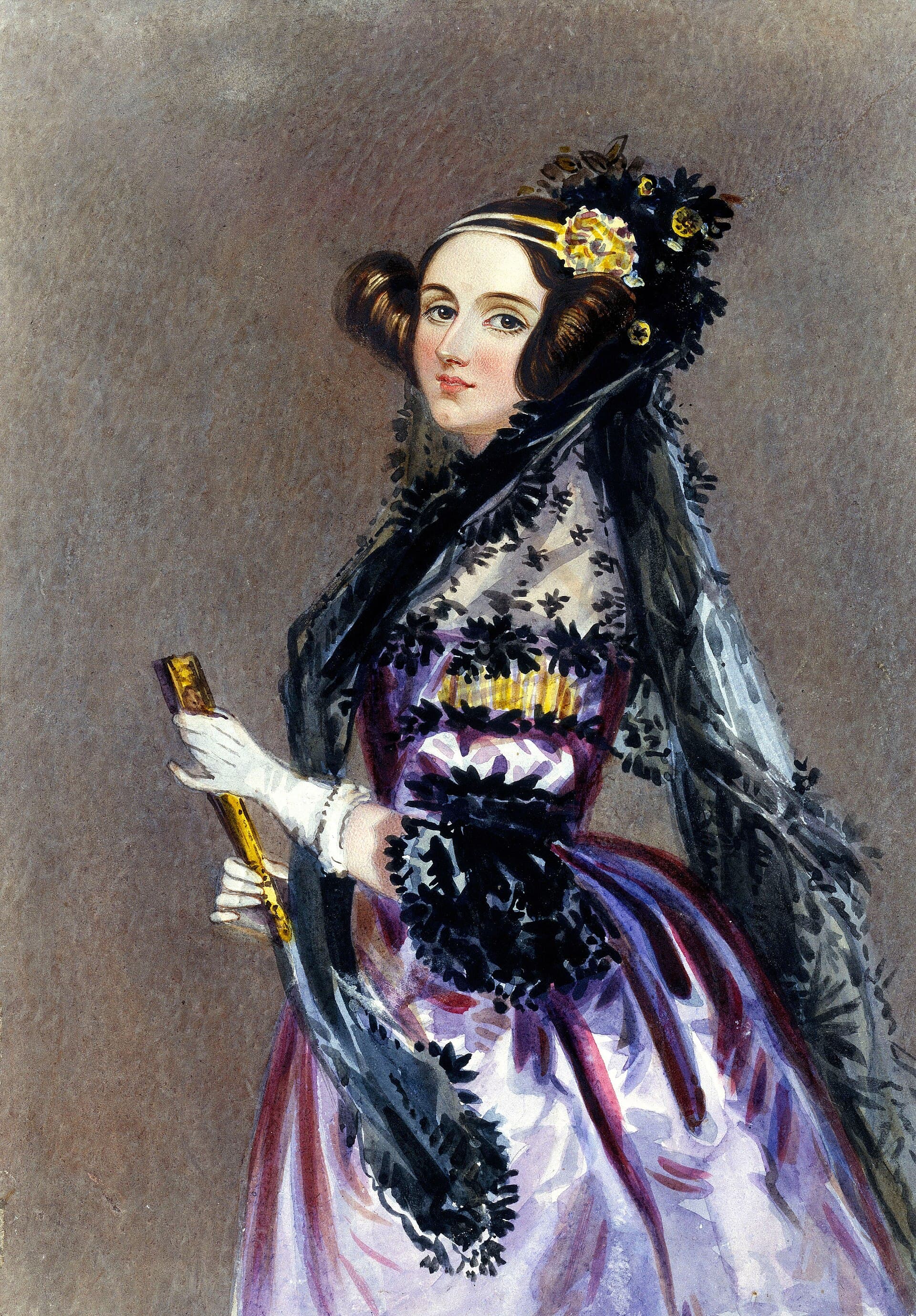
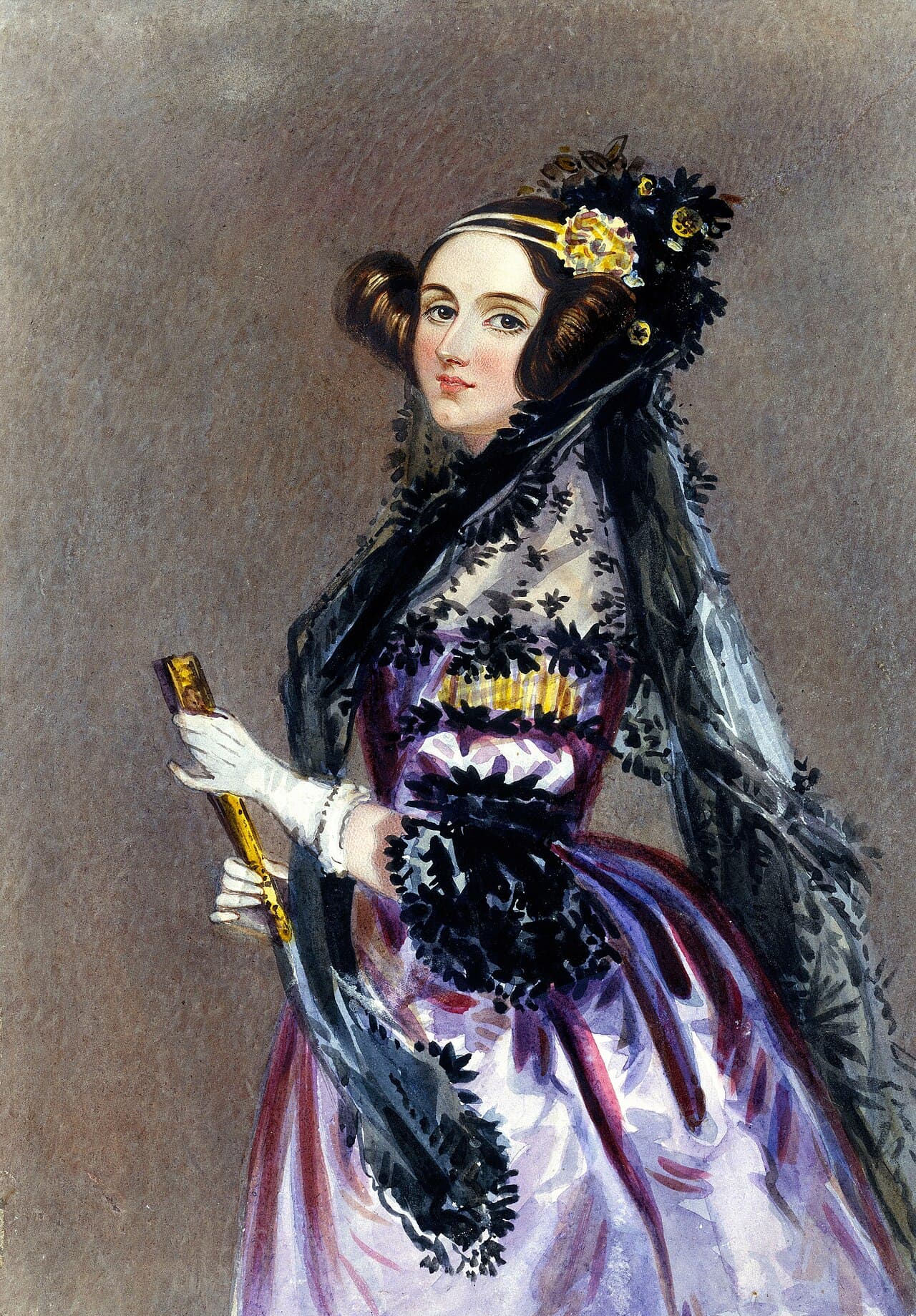
Born Augusta Ada Byron in 1815, Lovelace was the daughter of the famed and tumultuous poet Lord Byron and Lady Anne Isabella Milbanke. Her father's reputation as a volatile and unpredictable figure led her mother to steer her education towards the rigours of mathematics rather than the arts. Lady Byron's decision shaped Ada's intellectual trajectory and placed her under the tutelage of some of the era's most distinguished minds, including the prominent mathematician and logician Augustus De Morgan. Her studies under De Morgan provided a strong foundation in mathematical thinking, which would prove crucial in her later work with Babbage's concepts.
In 1833, at the age of 17, Ada was introduced to Charles Babbage at a party. The meeting was more than fortuitous; it marked the beginning of a profound intellectual partnership. Fascinated by Babbage's designs for the Difference Engine, a mechanical calculator, Ada's enthusiasm for his subsequent project—the Analytical Engine—was immediate and intense. She demonstrated an ability to grasp the potential of Babbage's vision, a testament to her formidable analytical skills nurtured through her education.
Babbage and the Analytical Engine
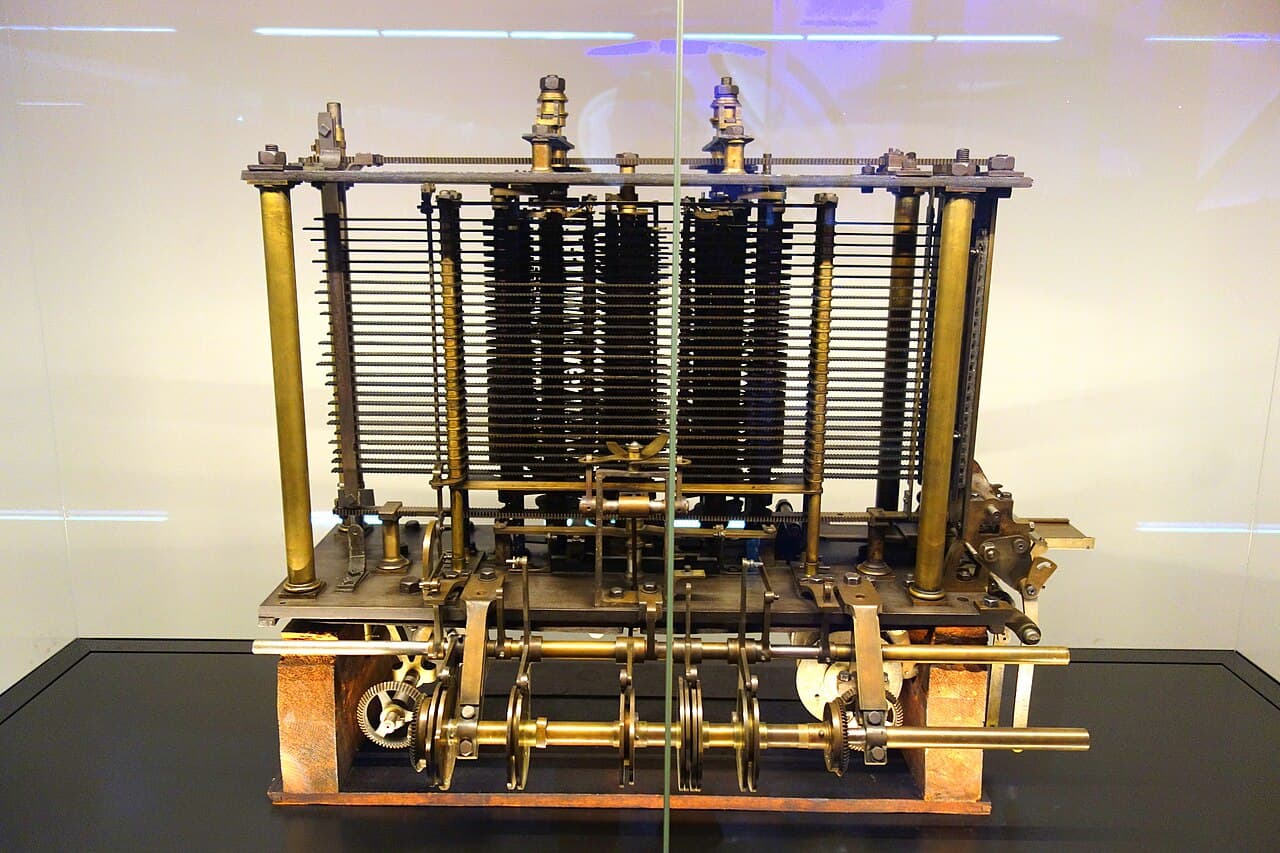
Charles Babbage, often hailed as the 'father of the computer', had embarked on a project to create the Difference Engine in the 1820s. This device was intended to automate the calculation of polynomial functions, a mechanical calculator for a burgeoning scientific age. However, due to financial constraints and technical challenges, the Difference Engine project stalled. Babbage's ambition did not wane; instead, it grew into the conception of the Analytical Engine, a machine designed to be programmable through the use of punched cards, a technique borrowed from the Jacquard looms used in textile manufacturing.
The Analytical Engine, although never built in Babbage's lifetime due to a mix of technical difficulties, financial barriers, and Babbage's own interpersonal issues, was a vision of a general-purpose mechanical computer. Its design was groundbreaking, incorporating features such as a control unit, an arithmetic logic unit, and memory—all fundamentals of modern computing systems. In the 20th century, working models based on Babbage's designs proved that the machine would have functioned as intended, reinforcing Babbage's legacy and illustrating the foresight of his designs.
What Lovelace contributed
Ada Lovelace's contributions to the field of computing are layered and complex, involving several distinct achievements. Firstly, her translation of Menabrea's paper was more than a simple linguistic task; it required a deep understanding of the content and ideas, which she demonstrated with remarkable proficiency. Her translation laid the groundwork for her subsequent notes, which expanded significantly on Menabrea's original work.
Lovelace's second major contribution was the series of seven Notes (A through G) that accompanied her translation. These notes did not merely describe the Analytical Engine; they delved into its potential applications and the theoretical underpinnings of its operation. It is in Note G that Lovelace's most significant contribution—the first computer program—can be found. This note describes an algorithm for calculating Bernoulli numbers, expressed in tabular form. This algorithm included concepts such as loop structures, variable assignments, and conditional branches, which are foundational elements in programming today. The tabular notation was Lovelace's own creation, illustrating her deep understanding of the mechanics of programming.
The famous claim and the careful reading
Within Note A, Ada Lovelace made a statement that has echoed through the history of computer science: "The Analytical Engine has no pretensions whatever to originate anything. It can do whatever we know how to order it to perform." This assertion has been variously interpreted, with some seeing it as a dismissal of the possibility of machine creativity, while others regard it as a profound insight into the nature of computation and artificial intelligence.
Doron Swade, a historian who constructed a working Difference Engine at London's Science Museum, argues that Lovelace's statement is a precise delineation of the roles between human creativity and machine execution. The originality lies in the instructions, not in the machine that executes them. This distinction remains relevant in discussions about the potential and limitations of artificial intelligence today, providing a foundational perspective on the collaborative dynamic between human programmers and their mechanical creations.
The controversies
The extent of Ada Lovelace's contributions relative to those of Charles Babbage has been the subject of much scholarly debate. Babbage himself alternated between praising her contributions and downplaying them, as seen in his varied correspondence. Some researchers, like Bruce Collier, have posited that Babbage may have had a significant hand in crafting the Notes, if not having drafted them entirely.
Conversely, other scholars, such as Betty Toole and Christopher Hollings, argue based on surviving letters and evidence that Lovelace's contributions were substantial and independent. The most balanced view seems to acknowledge that while Babbage provided the technical framework of the Analytical Engine, Lovelace's exposition, particularly her Bernoulli algorithm, was her intellectual effort. It was a collaboration, but one in which her role was far from passive or merely supportive.
What survives
Ada Lovelace's life was tragically short; she died of uterine cancer in 1852 at the age of 36. For many decades after her death, her work faded into obscurity, overshadowed by the personalities and projects of her male contemporaries. It was only in the mid-20th century, as the field of computer science began to take shape, that Lovelace's work was rediscovered and appreciated for its visionary qualities. Figures such as Alan Turing revisited her Notes, recognising their pioneering nature in the context of developing computational theory.
In 1980, Lovelace's legacy was further cemented when the US Department of Defense named a newly developed programming language 'Ada' in her honour. Note G's procedure for computing Bernoulli numbers is now frequently cited in historical accounts of computer science. Simulations of this procedure on emulated Analytical Engines have confirmed its functionality, demonstrating not only the correctness of Lovelace's algorithm but also the practical viability of Babbage's theoretical machine.
Ada Lovelace's story is not one of solitary genius but of collaborative innovation. Her achievements do not require exaggeration or embellishment; they are significant in their own right. While it is true that she did not invent computing alone—Babbage's designs provided the architectural blueprint—her contributions are undeniably pivotal. Lovelace was the first to publish an algorithm intended for a machine, and she glimpsed the potential implications of such technology. Her work stands as a testament to intellectual curiosity and the power of collaborative endeavour, qualities that continue to drive advances in technology today.
References
- Menabrea, L. F., with Notes by Lovelace, A. A. (1843). Sketch of the Analytical Engine Invented by Charles Babbage. Scientific Memoirs, 3, 666–731.
- Swade, D. (2002). The Difference Engine: Charles Babbage and the Quest to Build the First Computer. Penguin.
- Hollings, C., Martin, U., & Rice, A. (2018). Ada Lovelace: The Making of a Computer Scientist. Bodleian Library.
- Toole, B. A. (1992). Ada, the Enchantress of Numbers. Strawberry Press.


