
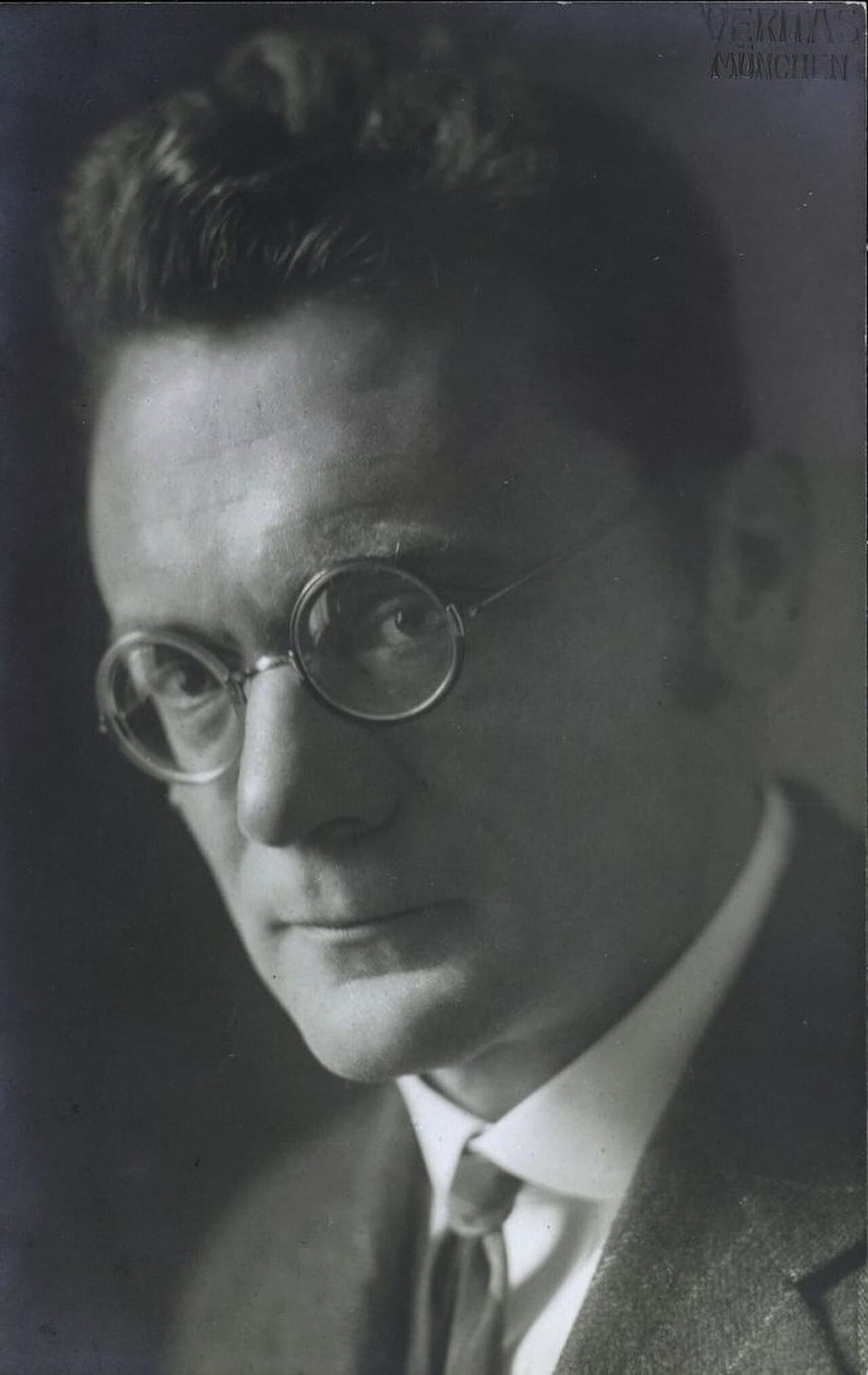
At the Brunnwinkl Biological Station, nestled on the Wolfgangsee in the picturesque Austrian Alps, it was the summer of 1944 when Karl von Frisch, a 58-year-old Austrian ethologist, meticulously observed the remarkable behaviour of honeybees. For decades, von Frisch had been attempting to decipher the enigmatic dance these insects performed. This particular summer, he watched as bees returned to their glass-walled hive from feeders he had strategically placed at specific distances and directions. Upon arrival, each forager bee engaged in a distinct dance on the vertical face of the comb: a sequence of straight runs, punctuated by tight half-circles that alternated left and right. During the straight runs, the bee vigorously wagged her body from side to side, a phenomenon von Frisch termed the 'waggle' phase. Other bees, attending to the dance with antennae poised, would subsequently embark on their own foraging missions, flying directly to the feeder. In 1944, after years of diligent observation, von Frisch deciphered the code: the angle of the waggle run on the comb relative to the vertical axis denoted the angle to the feeder relative to the sun, while the duration of the waggle phase conveyed the distance. The bees were communicating a vector—direction and magnitude—through their bodily movements, a form of abstract symbolic communication executed by creatures with brains no larger than a sesame seed.
What the dance actually encodes
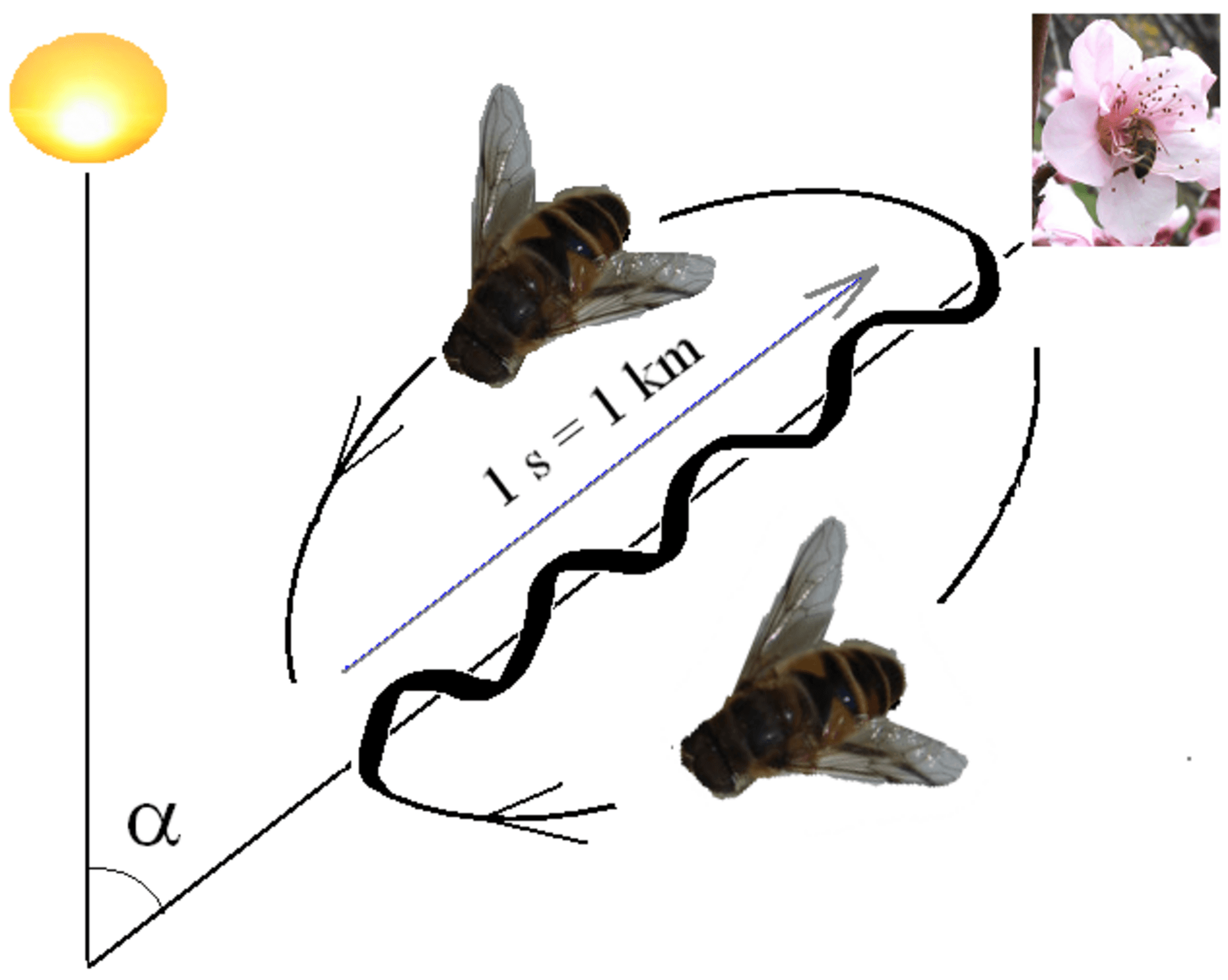
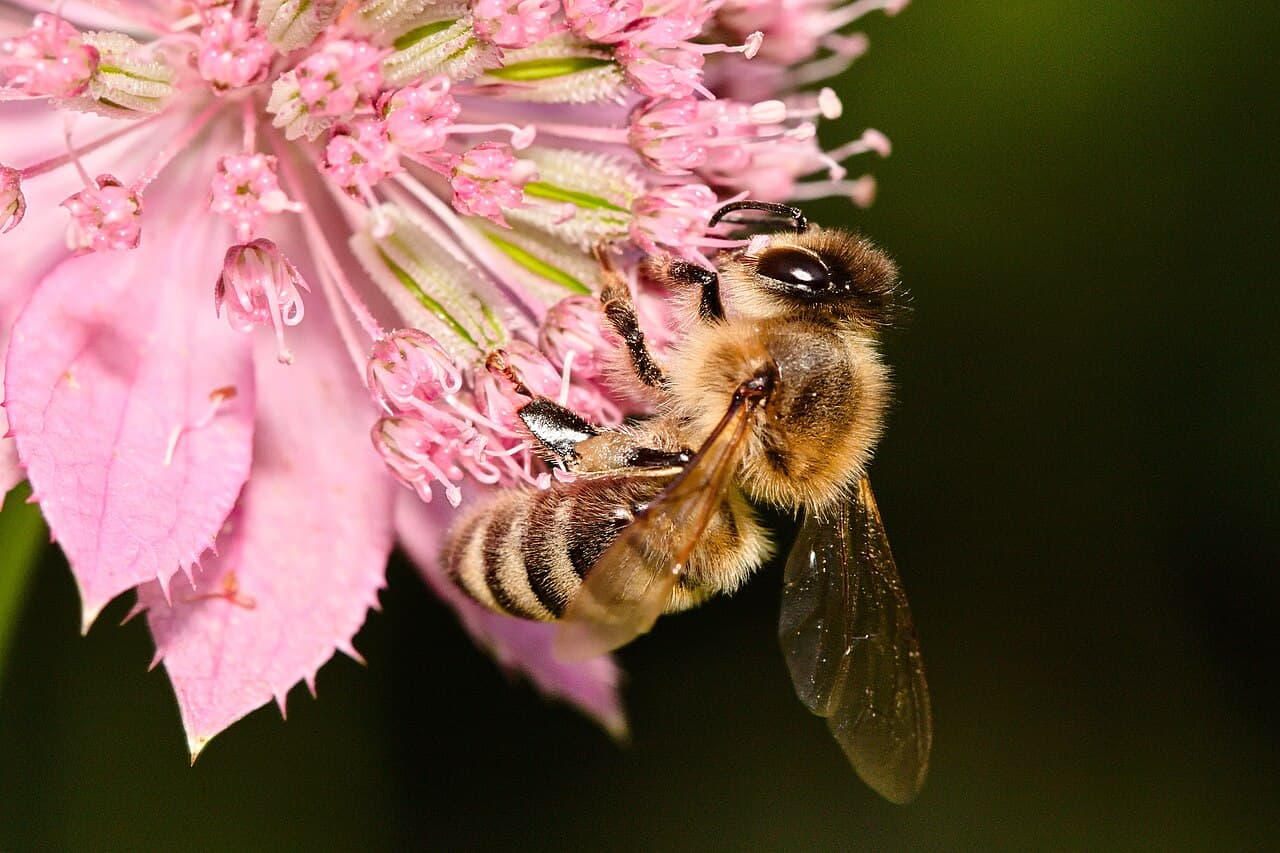
Von Frisch's discovery of what the waggle dance encodes is a testament to the complexity of bee communication. When a bee performs her dance, the straight portion—the waggle run—is the critical segment. This line, traversed in a straight path for a few seconds before looping back in a tight half-circle, contains the information. The angle of the waggle run on the vertical comb, when measured relative to the upward direction, signifies the angle of the food source with respect to the sun. Thus, if the waggle run points upwards, it indicates that the food source lies in the direction of the sun. The time spent waggling—the 'wagging time'—communicates the distance to the source: longer waggles denote greater distances. Furthermore, the vigour and number of repetitions in the dance provide data about the food quality, with more vigorous dances indicating richer sources. The observer bees, after watching the dancer, would set off in pursuit of the food, navigating with a high degree of precision. Typically, they managed to fly within 5 to 10 degrees of the encoded angle and within 10 to 15 percent of the distance. In essence, these bees were signing maps, using their bodies as instruments of communication.
Why it was contested
Von Frisch's 1944 revelation, later expanded in his monograph 'The Dance Language and Orientation of Bees' (1967), did not go unchallenged. The notion that bees, with their minuscule brains, could convey such sophisticated information was met with scepticism. Adrian Wenner, an American zoologist, was a vocal critic throughout the 1960s and 1970s. Wenner posited that rather than deciphering symbolic directions, the bees might simply be following the scent trail left by the dancer. This hypothesis, suggesting a simpler sensory mechanism, led to a prolonged dispute between Wenner and von Frisch. The argument was decisively settled in the latter's favour through critical experiments. Notably, the 1989 robotic bee experiment by Wolfgang Kirchner and James Towne, which successfully recruited live bees to non-existent food sources using a mechanical waggle dance, confirmed that the bees were indeed interpreting the dance as von Frisch described. These revelations culminated in von Frisch sharing the 1973 Nobel Prize in Physiology or Medicine with Konrad Lorenz and Nikolaas Tinbergen, marking a significant milestone for ethology.
The Adrian Dyer experiments
The work of Adrian Dyer, initiated in the early 2000s, opened new vistas in our understanding of bee cognition. At RMIT University in Australia, Dyer and his collaborators employed an innovative method to test bees' capabilities beyond the dance. Their approach involved training bees to discriminate between stimuli by associating one with a sugar-water reward and another with a quinine punishment. Remarkably, bees learned these associations quickly, demonstrating their cognitive prowess. Once trained, they consistently chose the rewarded stimulus in test trials without any reward present, showing they had internalised the rule. Through these experiments, Dyer's team established that bees could distinguish complex visual patterns, recognise symmetry, and understand relational concepts such as 'same' versus 'different'. In a groundbreaking 2018 paper in Science, Dyer demonstrated that bees could perform arithmetic tasks. Bees were trained to associate a particular colour with 'add one' and another with 'subtract one' from a displayed quantity. In subsequent tests, bees selected the correct numerical result, indicating a capacity for basic arithmetic operations. While their performance was limited to small numbers—breaking down beyond four items—this ability is consistent with subitising, observed in many vertebrates.
Zero
One of the most profound discoveries came in 2018 when Scarlett Howard, working alongside Dyer, demonstrated that bees could grasp the concept of zero. In their experiments, bees were trained to select the smaller of two quantities—one dot versus four dots, for example. During test trials, bees extended this rule to choose 'zero' (an empty card) over cards with dots, thus recognising the absence of quantity as a numerically relevant state. This ability to conceptualise zero is considered a sophisticated cognitive achievement, historically significant in human mathematics—emerging in Indian mathematics around the 5th century CE. That honeybees possess this understanding challenges prior assumptions about the evolutionary timeline of numerical cognition. The implication is that the cognitive mechanisms for handling numerosity, including the abstract concept of zero, are more ancient and pervasive in the animal kingdom than previously acknowledged.
What this means for cognition
These findings about bee cognition have profound implications for our understanding of the relationship between brain size and cognitive capacity. The honeybee, with its approximately 960,000 neurons, presents a stark contrast to the human brain's 86 billion neurons. Despite their small size, bee brains manage to accomplish tasks once thought to require vertebrate neural structures. Symbolic communication, conceptual understanding, and arithmetic are now known to be within the realm of insects. This suggests that the computational requirements for these tasks are less demanding than the human-centric view assumed. The honeybee's brain architecture, particularly the mushroom bodies responsible for olfactory and visual learning, has been extensively studied. It appears that relatively small neuron populations performing simple integrative tasks can achieve complex cognitive feats. This has intriguing implications for artificial neural networks, suggesting that rather than depth, the right kind of specialised neural architecture may be key to solving complex problems.
What we still do not know
Despite significant advances, several aspects of bee cognition remain enigmatic. A central question is whether bees have subjective experiences—whether they possess consciousness akin to what humans experience. Andrew Barron and Colin Klein have argued that the integrative organisation of the insect brain, particularly the central complex, may support a rudimentary form of subjective experience. However, this remains a contentious issue. The behavioural data alone cannot distinguish between a bee experiencing the world consciously and one processing information in a purely mechanical manner. This dilemma is not unique to bee research but is a broader challenge in animal cognition studies. The bee findings sharpen this debate by demonstrating that behaviours typically associated with consciousness, such as flexible learning and abstract concept formation, can occur in creatures with brains smaller than a human fingernail.
Karl von Frisch, throughout his career, focused intensely on the dance and navigation of honeybees. He meticulously documented their behaviours without venturing into speculative territory about the bees' subjective experiences. He believed the scientific understanding should progress with concrete findings, leaving philosophical musings for later contemplation. As of 2026, while we are no closer to resolving these philosophical questions, the scope of bee capabilities has vastly expanded. Bees navigate using polarised light, communicate symbolically, count, perform arithmetic, comprehend zero, and recognise faces. They exhibit learning and share knowledge within their colonies. These colonies function as distributed organisms, making collective decisions that transcend individual bee capabilities. Whatever is occurring within the tiny confines of their sesame-seed-sized brains, it is more complex than the reflexive view of insects that dominated much of the twentieth century. Karl von Frisch passed away in 1982, a decade after receiving the Nobel Prize. If he were observing today, he would likely be unsurprised by the breadth of bee cognition we have uncovered.
References
- von Frisch, K. (1967). The Dance Language and Orientation of Bees. Harvard University Press.
- Howard, S. R., et al. (2018). Numerical ordering of zero in honey bees. Science, 360(6393), 1124–1126.
- Howard, S. R., et al. (2019). Numerical cognition in honeybees enables addition and subtraction. Science Advances, 5(2), eaav0961.
- Kirchner, W. H., & Towne, W. F. (1994). The Sensory Basis of the Honeybee's Dance Language. Scientific American, 270(6), 74–80.


