
In 1987, Yoshizumi Ishino, a molecular biologist working at Osaka University, published a paper in the Journal of Bacteriology that was, for many years, little more than a footnote in microbiological research. In this paper, Ishino described a peculiar sequence in the DNA of Escherichia coli: regularly spaced, palindromic repeats interspersed with unique 'spacer' sequences. To Ishino, these sequences were a puzzle. He could identify their structural pattern but not their purpose. For nearly two decades, these mysterious repeats were noted in various bacterial and archaeal genomes, yet their function remained an enigma.
Mojica's hunch
Francisco Mojica, a microbiologist at the University of Alicante, became engrossed in these repeated sequences throughout the 1990s. In nearly every microbial genome he studied, the pattern persisted. Unlike many of his contemporaries, Mojica was intrigued by the potential significance of these sequences. In 2003, driven by curiosity, he took a step that would change the course of genetic research. Mojica compared the spacer sequences to known viral DNA and found numerous matches with the DNA of phages—viruses that prey on bacteria. This suggested that bacteria might be archiving the genetic material of their viral attackers, hinting at a rudimentary immune system. When Mojica attempted to publish this hypothesis, his paper faced a barrage of rejections. The 2005 paper was dismissed by leading journals such as Nature and PNAS as overly speculative until finally being accepted by the Journal of Molecular Evolution.
Mojica's proposal of a bacterial 'immune system' was audacious; it suggested that bacteria possessed a method for recording viral encounters in their DNA, a possibility many deemed far-fetched. The scientific community at large was skeptical of such a radical rethinking of bacterial capability, which diverged from the established understanding of bacterial genetic simplicity. Nonetheless, Mojica's persistence paid off, setting the stage for subsequent breakthroughs by opening up new avenues of exploration in microbial genomics.

The yogurt connection
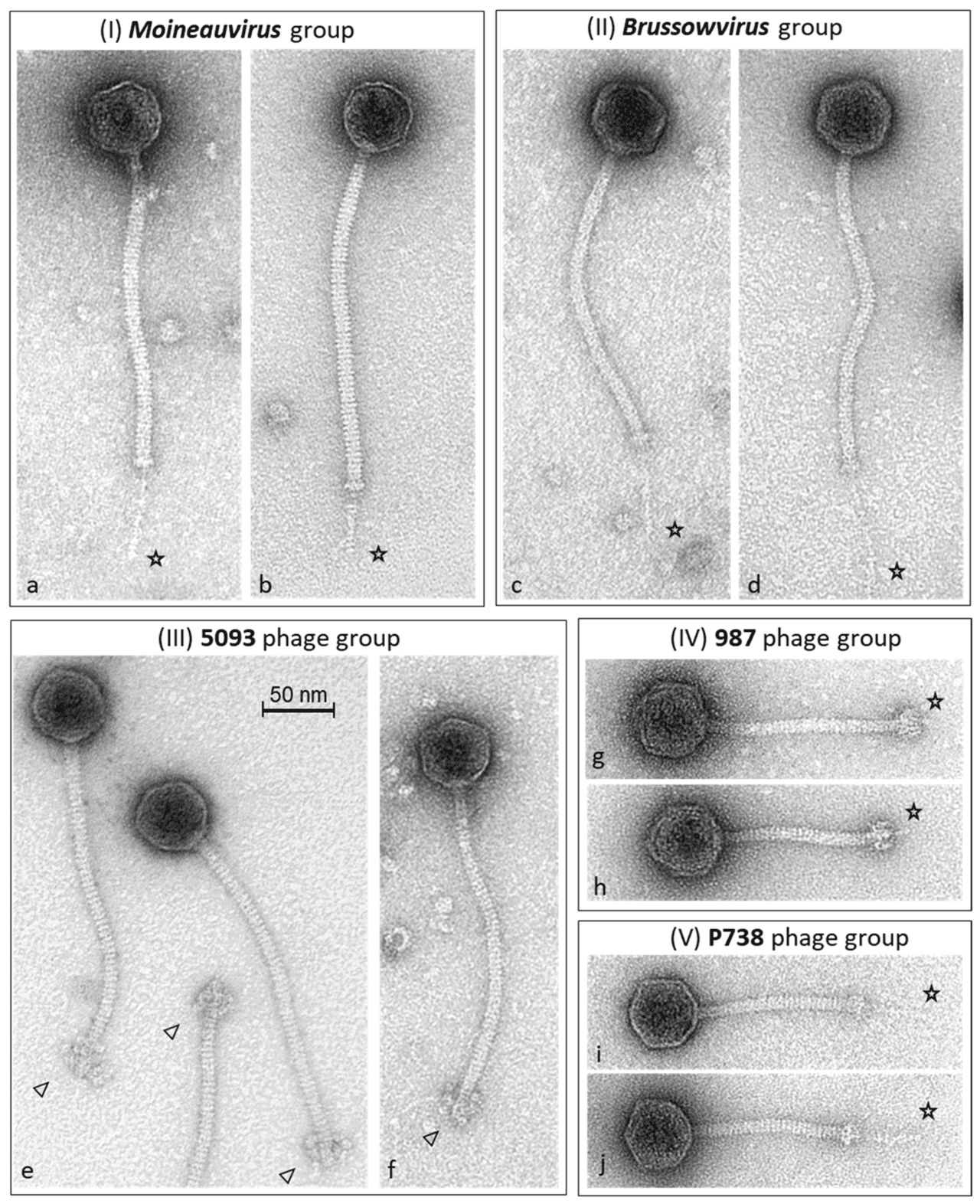
Ironically, the validation of Mojica's hypothesis did not emerge from a cutting-edge biotech laboratory but from a dairy company focused on the practical concerns of yogurt and cheese production. Danisco, a Danish food-science company, was grappling with an operational problem: phages were routinely decimating the bacterial cultures essential for fermenting dairy products. Scientists Rodolphe Barrangou and Philippe Horvath, working at Danisco, embarked on experiments that put Mojica's hypothesis to the test. In 2007, they published a seminal paper in Science that provided compelling evidence for the immune-system function of CRISPR sequences.
Using Streptococcus thermophilus, a bacterium vital to dairy fermentation, Barrangou and Horvath demonstrated that upon exposure to phages, the bacteria incorporated new spacers into their CRISPR arrays, each corresponding to a snippet of viral DNA. This finding was a clear confirmation that CRISPR sequences served as a kind of immune memory, enabling bacteria to recognize and combat subsequent infections by the same phage. Barrangou and Horvath's work established the CRISPR-Cas system as a powerful bacterial defense mechanism and marked a pivotal moment in microbiology, transforming CRISPR from a genomic curiosity into a validated immune system component.
Doudna and Charpentier
By 2011, the scientific community was beginning to wonder: could the CRISPR-Cas system be harnessed for genetic engineering? Emmanuelle Charpentier, then leading a research group at Umeå University, was deeply invested in studying the Cas9 enzyme within the context of Streptococcus pyogenes. Cas9 was a key player in the CRISPR-Cas immune response, responsible for cleaving foreign DNA. Charpentier's research intersected with that of Jennifer Doudna, a structural biologist at the University of California, Berkeley, during a conference in 2011. This meeting spurred a collaboration that would rapidly advance the field.
In 2012, Doudna and Charpentier co-authored a groundbreaking paper in Science that described how Cas9 could be programmed with a synthetic guide RNA to target and cut specific DNA sequences in vitro. This revelation was transformative: it suggested that the CRISPR-Cas9 system could be co-opted as a precise and flexible tool for editing the genomes of not just bacteria but any organism. The potential applications in medicine, agriculture, and biotechnology were immediately apparent. Within months, researchers Feng Zhang at the Broad Institute and George Church at Harvard independently demonstrated that this system could be used to edit genes in mammalian cells, further broadening its applicability and heralding a new era of genetic manipulation.
What CRISPR-Cas9 actually does
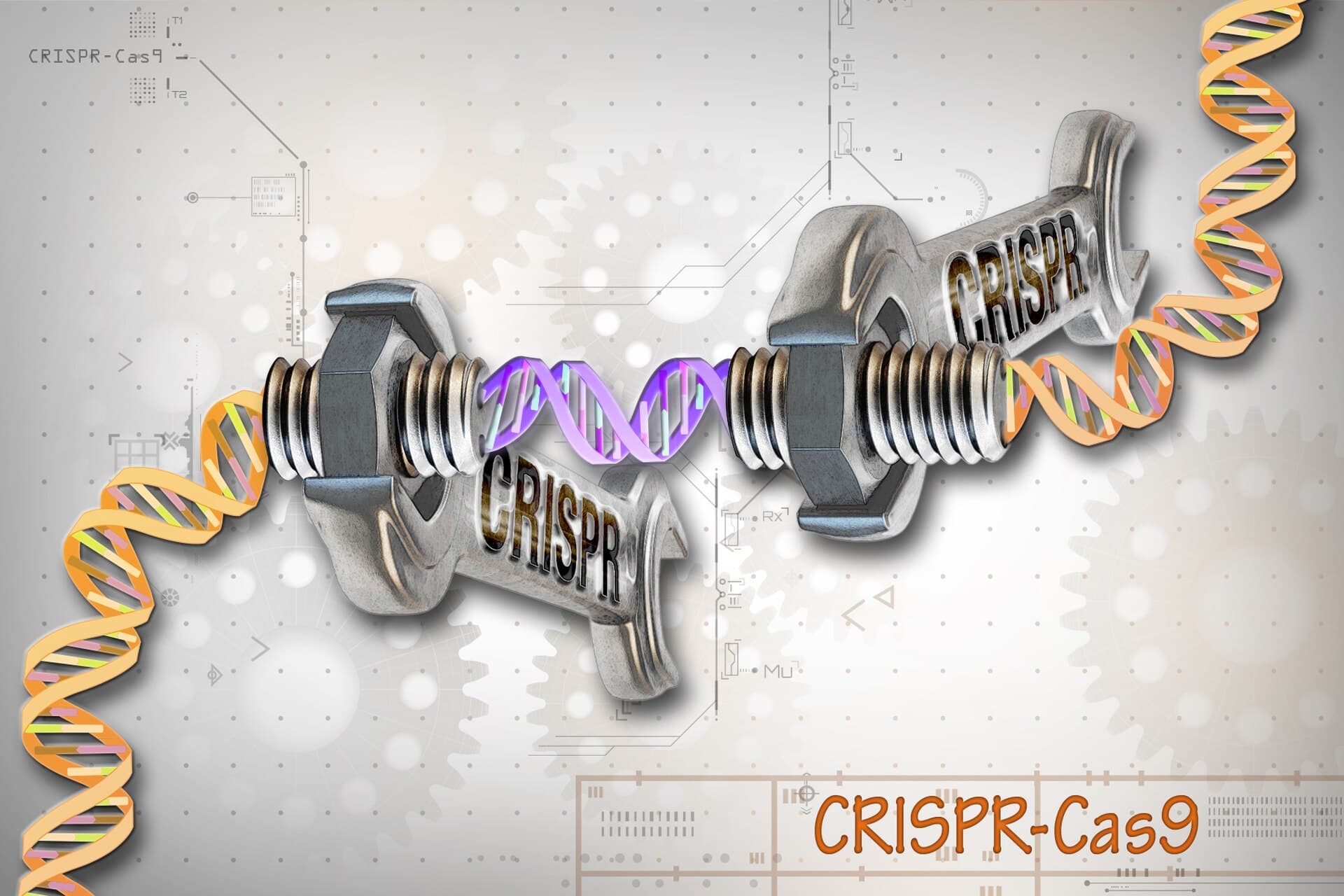
CRISPR-Cas9 operates through a remarkably straightforward yet elegant mechanism. At its core is a guide RNA molecule, engineered to match a specific DNA sequence. This guide RNA directs the Cas9 protein to the precise location in the genome where the cut is desired. Upon reaching the target site, Cas9 acts as molecular scissors, cleaving the DNA. The cell's natural repair processes then take over, either by error-prone rejoining, which typically disrupts the gene, or by using a supplied template to introduce new genetic material at the site of the break. This capability makes CRISPR-Cas9 a versatile tool for gene editing, far outpacing older methods like TALENs and zinc-finger nucleases in terms of precision, cost, and speed.
In contemporary molecular biology laboratories, CRISPR-Cas9 is employed on a weekly basis for a myriad of applications, from basic research on gene function to the development of novel therapies for genetic diseases. Its ease of use has democratized gene editing, making it accessible to labs worldwide, and has accelerated the pace of biological discoveries. CRISPR-Cas9's adaptability and efficiency have revolutionized genetics, presenting opportunities for advancements that were once the province of science fiction.
The Nobel and the patent
The transformative impact of CRISPR-Cas9 was recognized with the awarding of the 2020 Nobel Prize in Chemistry to Jennifer Doudna and Emmanuelle Charpentier. This accolade acknowledged their pioneering work in developing a programmable genetic-editing tool that has since reshaped the landscape of molecular biology. However, the ascent of CRISPR has not been without controversy, particularly regarding intellectual property rights. For over a decade, a contentious patent battle has unfolded, primarily between the University of California and the Broad Institute, over the rights to the use of CRISPR-Cas9 in eukaryotic cells. This dispute highlights the complex intersection of basic science and patent law and underscores the challenges in navigating intellectual property in a rapidly evolving field.
While Doudna and Charpentier received accolades and recognition, Francisco Mojica, whose foundational work laid the groundwork for CRISPR's development, has been notably absent from these honors. Despite his critical contribution in proposing the immune-system hypothesis, he neither holds patents nor shares in the scientific laurels. This disparity raises questions about the distribution of credit in scientific discovery and the mechanisms by which foundational research is recognized and rewarded.
From Ishino’s 1987 paper to the approval of CASGEVY, a CRISPR-based therapy for sickle cell disease, by the FDA in December 2023, the journey of CRISPR has spanned over three decades. This timeline exemplifies a fundamental truth in science: transformative breakthroughs often emerge from basic research driven by intellectual curiosity rather than immediate application. For much of CRISPR's history, its research journey was underpinned by the pursuit of understanding rather than the promise of technology. Had funding been contingent on short-term translational outcomes, it is conceivable that CRISPR would have never materialized as a tool. This narrative is not unique to CRISPR; it mirrors the trajectory of many biomedical innovations, underscoring the critical need to support fundamental research as the bedrock of scientific advancement.
References
- Ishino, Y., et al. (1987). Nucleotide sequence of the iap gene… in Escherichia coli. Journal of Bacteriology, 169(12), 5429–5433.
- Mojica, F. J. M., et al. (2005). Intervening sequences of regularly spaced prokaryotic repeats derive from foreign genetic elements. Journal of Molecular Evolution, 60, 174–182.
- Barrangou, R., Fremaux, C., Deveau, H., et al. (2007). CRISPR provides acquired resistance against viruses in prokaryotes. Science, 315(5819), 1709–1712.
- Jinek, M., Chylinski, K., Fonfara, I., Hauer, M., Doudna, J. A., & Charpentier, E. (2012). A programmable dual-RNA-guided DNA endonuclease in adaptive bacterial immunity. Science, 337(6096), 816–821.
- FDA. (2023). FDA approves first gene therapies to treat patients with sickle cell disease.


