
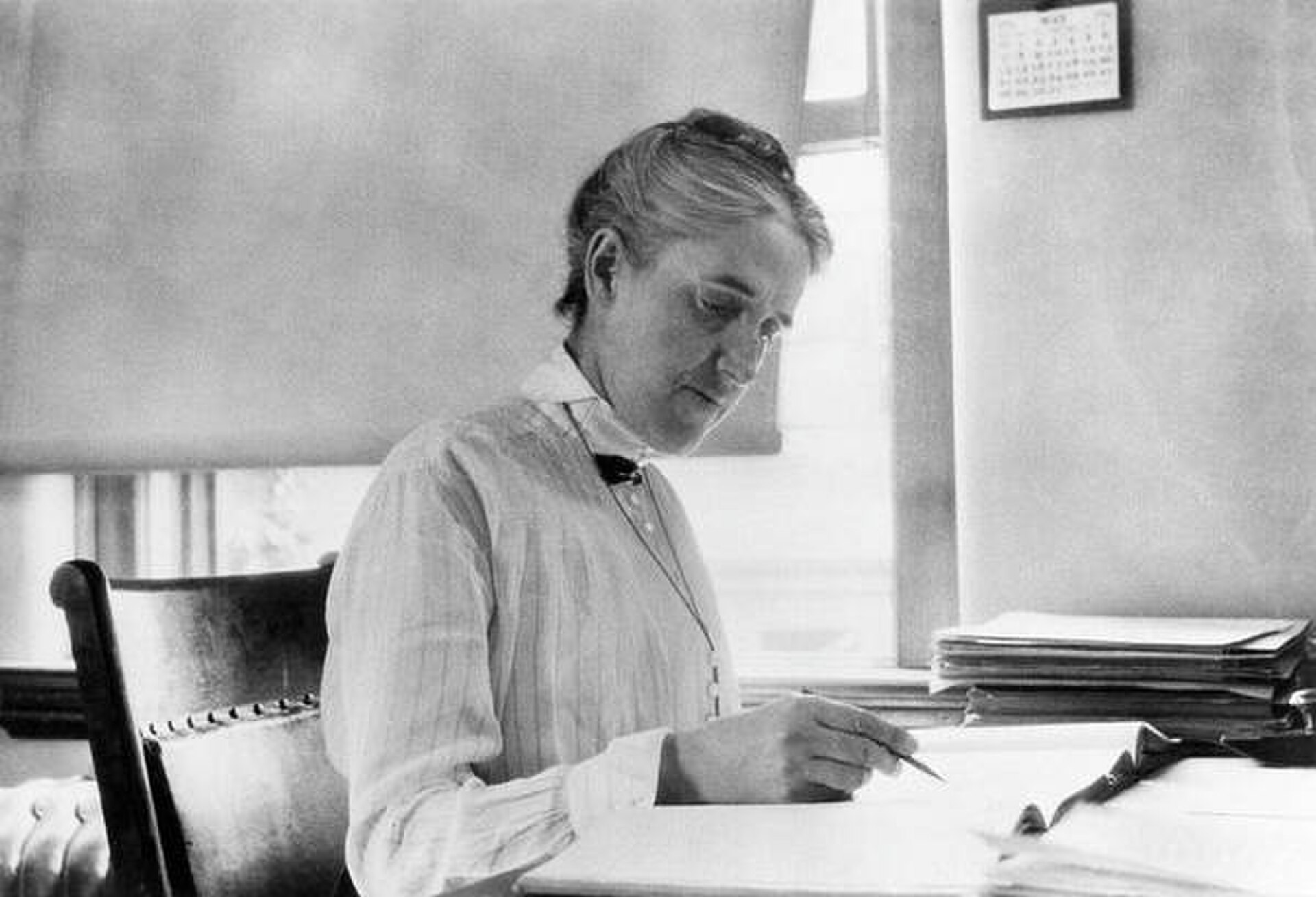
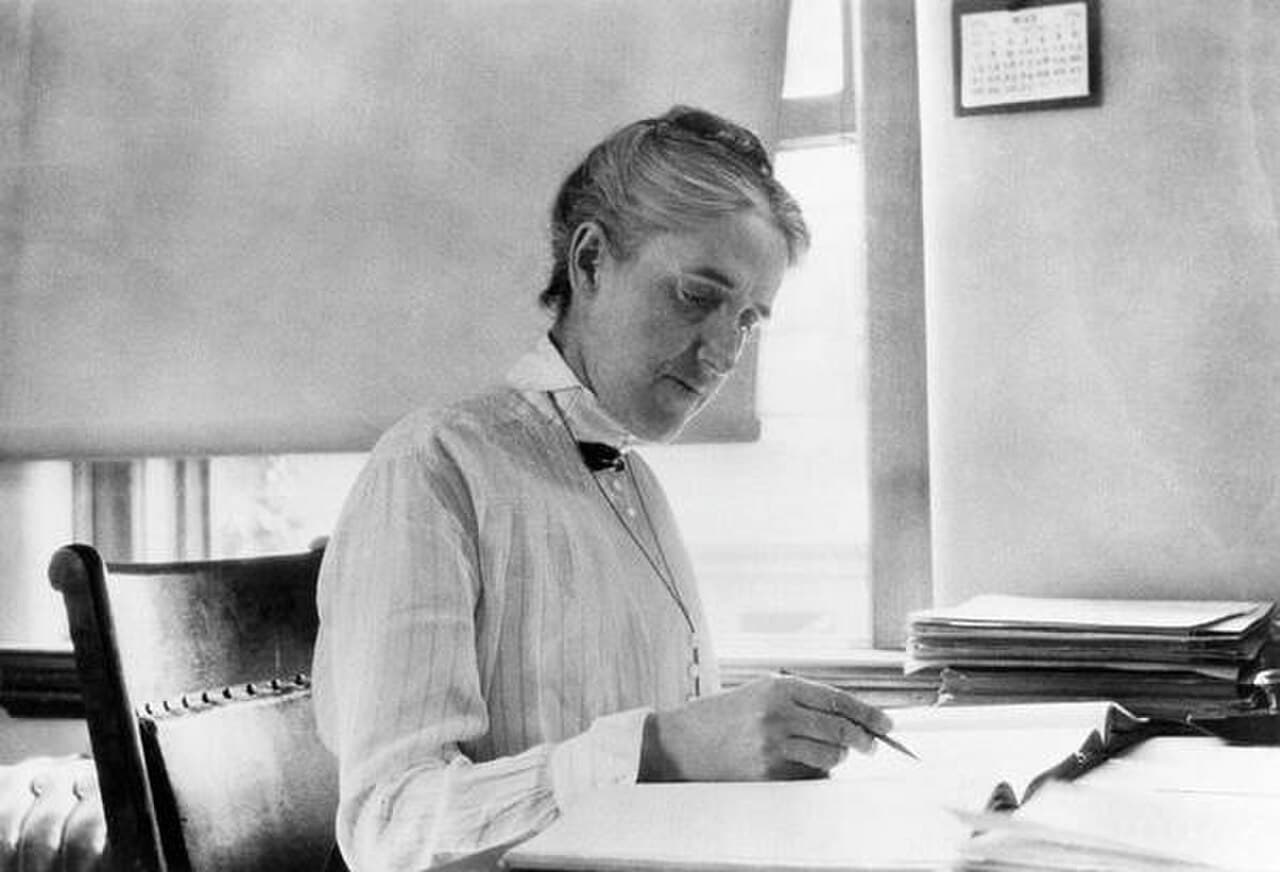
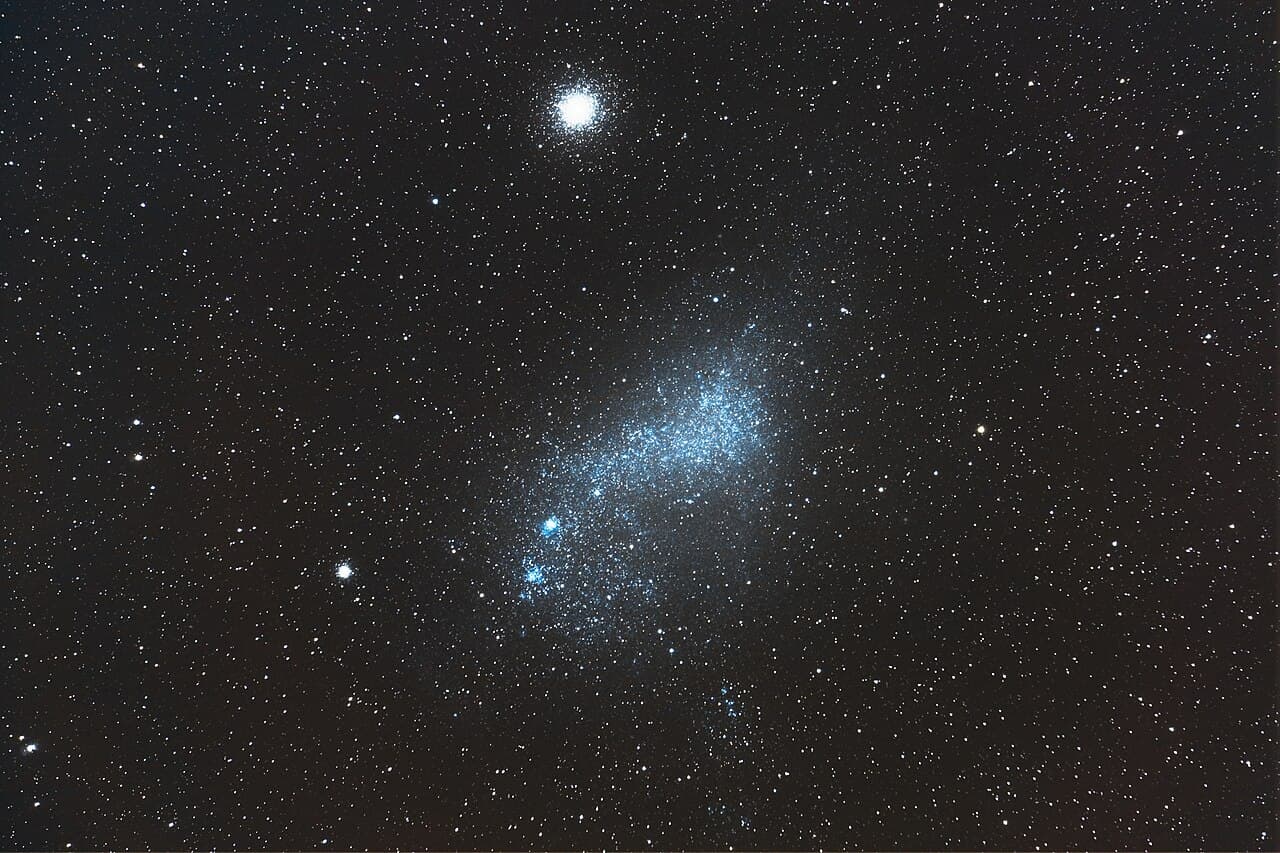
In the early days of the twentieth century, the Harvard College Observatory in Cambridge, Massachusetts, buzzed with quiet activity. It was 1908, and Henrietta Swan Leavitt, an unassuming figure seated among a dozen women, was carefully examining glass photographic plates. These plates, capturing the night sky over the Magellanic Clouds, were developed at Harvard’s southern station in Arequipa, Peru, and had journeyed to Cambridge for meticulous analysis. Leavitt’s tools were simple—a hand magnifier and a keen eye. Her task was to identify and catalogue the stars on these plates, and she was paid a meagre thirty cents an hour for this critical work. Despite the modest pay and the invisibility of her role, her observations were momentous. Among the 1,777 variable stars she catalogued in the Small Magellanic Cloud, she discerned a pivotal detail: 'It is worthy of notice that... the brighter variables have the longer periods.' This observation was more than a footnote; it was the keystone of the period-luminosity relation, a discovery that underpinned the vast edifice of modern cosmology.
What a Cepheid variable is
Stars are often depicted as constants in the night sky, but some are remarkably dynamic. A special class, known as Cepheid variables, physically pulsates, their outer layers expanding and contracting with regularity. This pulsation gives them a unique light curve—characterized by a rapid ascent to maximum brightness followed by a gradual decline. Named for Delta Cephei, the prototype star observed since the 18th century, Cepheids have pulsation periods ranging from a single day to several months. The underlying mechanism of their pulsation is the partial ionization of helium in their outer envelopes. As helium ions cycle between ionized and neutral states, radiation pressure builds and releases, causing the star’s outer layers to oscillate in size and temperature. This pulsation allows astronomers to identify Cepheids easily on photographic plates, as their brightness varies in a consistent and predictable manner.
Cepheid variables became central to astronomical research due to their distinctive and measurable light curves. Their regular pulsations served as a beacon in the starry sky, offering astronomers a reliable method to study distant celestial objects. The predictability and periodic nature of their light variations made them invaluable as a tool to gauge cosmic distances, establishing them as crucial indicators in the astronomical toolkit.
What Leavitt found
The Small Magellanic Cloud (SMC) provided a unique advantage for Henrietta Leavitt’s analysis. This dwarf galaxy, relatively compact and at a consistent distance from Earth, offered a celestial laboratory where the apparent brightness of stars could be used as a direct proxy for their intrinsic luminosity. By examining the stars in the SMC, Leavitt could assume that any differences in apparent brightness were due solely to differences in intrinsic brightness, not distance.
Leavitt’s meticulous plotting of 1,777 Cepheid variables revealed a nearly linear relationship between the brightness of these stars and their pulsation periods. Her 1912 follow-up paper, 'Periods of 25 Variable Stars in the Small Magellanic Cloud', rigorously established this relationship with reduced error margins. Yet, the paper bore the byline of Edward Pickering, the Observatory’s director, relegating her contribution to a credit line that read: 'This statement was prepared by Miss Leavitt.' Despite the under-recognition, her work laid the groundwork for a standard candle in astronomy—an observable whose intrinsic brightness is known, allowing for distance measurements across the universe.
Why it mattered
The period-luminosity relation identified by Leavitt transformed Cepheids into standard candles, allowing astronomers to measure vast cosmic distances with unprecedented accuracy. Once the pulsation period of a Cepheid was measured, its intrinsic luminosity could be inferred. By comparing this to its observed brightness, astronomers could calculate the star's distance using the inverse-square law of light.
Before Leavitt’s discovery, astronomical distance estimates relied heavily on parallax, effective only for stars within a few hundred light-years. Cepheids extended this reach by orders of magnitude. However, the period-luminosity relation needed calibration: knowing one Cepheid’s actual distance was necessary to scale the rest of the relation correctly. Ejnar Hertzsprung in 1913 performed this calibration using parallax measurements of nearby Cepheids. Later, Harlow Shapley refined these calibrations, further solidifying the Cepheids’ role as a cornerstone of distance measurement in astronomy.
What Shapley and Hubble did with it
Harlow Shapley’s work with Cepheid variables in the early 20th century redefined humanity’s understanding of our own Milky Way galaxy. By mapping Cepheids in globular clusters, Shapley demonstrated in 1918 that the Milky Way was roughly 100,000 light-years in diameter, a revelation that expanded the perceived size of our galaxy tenfold and repositioned the Sun far from its center.
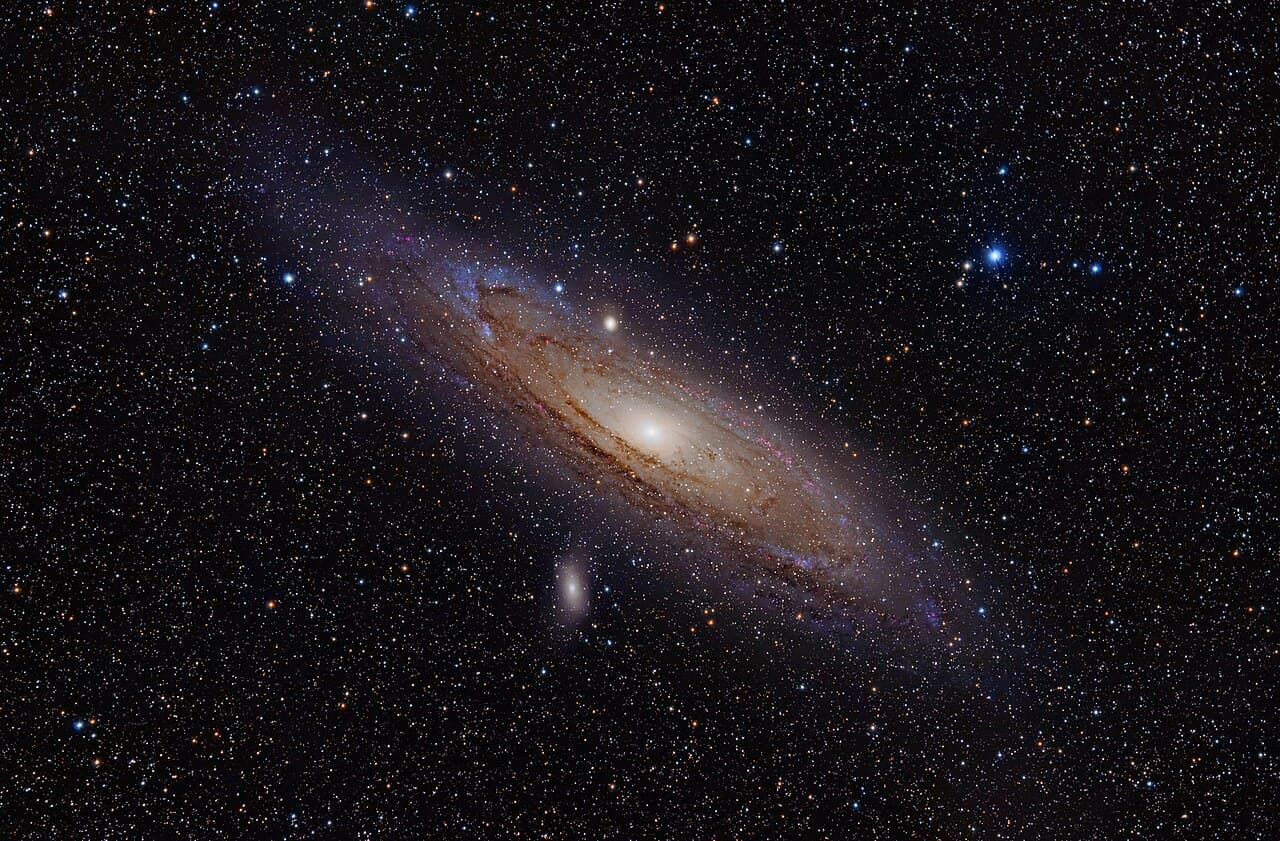
The implications of Leavitt’s period-luminosity relation reached their zenith through Edwin Hubble’s observations in the 1920s. Using the 100-inch telescope at Mount Wilson Observatory, Hubble identified Cepheid variables in the Andromeda 'spiral nebula' and calculated a distance of approximately 900,000 light-years. This discovery, published in 1924, confirmed Andromeda as a separate galaxy, expanding the universe from a single galaxy to a vast expanse of many. By 1929, Hubble had further employed Cepheid distances to establish a relationship between distance and recessional velocity, formulating what is now known as Hubble's Law, the first evidence of the universe’s expansion. All of these cosmic insights were built on the foundation laid by Leavitt’s work.
Her life
Henrietta Leavitt was born in 1868 in Lancaster, Massachusetts, into a family with a strong religious background. She was educated at Oberlin College and the Society for the Collegiate Instruction of Women, now Radcliffe College, from which she graduated in 1892. Her academic journey was interrupted by a serious illness in her twenties, resulting in significant hearing loss.
Despite these challenges, Leavitt joined the Harvard Observatory as a volunteer in 1893, becoming a paid computer a decade later. Her professional life was characterized by resilience and dedication to her work, even as she faced frequent health setbacks that often took her back to her family home in Wisconsin. Over her career, she published 23 papers on variable stars, contributing significantly to the field of astronomy. Outside of her scientific pursuits, she was active in her religious community and was a member of the American Association of University Women. Leavitt’s life was cut short by cancer in December 1921, at the age of 53.
The Nobel that did not happen
In 1924, Gösta Mittag-Leffler, a prominent Swedish mathematician, contacted Harlow Shapley in an attempt to nominate Henrietta Leavitt for the Nobel Prize in Physics. Unfortunately, Shapley had to inform him that Leavitt had passed away three years earlier. The Nobel Prize rules precluded posthumous awards, leaving the question of whether Leavitt would have been nominated or won unanswered.
By the time of Mittag-Leffler’s inquiry, the revolution in cosmology that Leavitt's discovery had enabled was well underway. While she did not live to see the full impact of her work, Leavitt’s contributions were foundational. The Harvard Observatory, which had long relied on women computers, began to change its structure after her death. Notable figures like Annie Jump Cannon, who had worked alongside Leavitt and classified over 350,000 stellar spectra, gained recognition, receiving an honorary degree from Oxford in 1925. Cecilia Payne-Gaposchkin, joining the Observatory in 1923, became the first woman to earn a PhD in astronomy from Radcliffe and later Harvard’s first female department chair. These women carried forward the legacy of Leavitt’s and others' work, shaping the future of astronomical research.
The legacy of Henrietta Leavitt’s discovery continues to resonate through the corridors of astronomy. Cepheid variables remain vital as standard candles, integral to measuring cosmic distances. Projects like the Hubble Space Telescope's Key Project in the 1990s relied on Cepheids to refine the Hubble constant, achieving precision within ten percent. The James Webb Space Telescope further extends these measurements, reaching galaxies more than 100 million light-years away. The work that Leavitt began at her desk in 1908 remains central to our understanding of cosmic expansion. Her contributions are commemorated by the naming of asteroid 5383 Leavitt and the lunar crater Leavitt, enduring testaments to her impact. The chair she sat in and the glass plates she examined are preserved in Harvard’s archives, tangible reminders of her enduring legacy. Her pivotal observation, elegantly understated in a 1908 catalogue, continues to underpin the very fabric of cosmology.
References
- Leavitt, H. S., & Pickering, E. C. (1912). Periods of 25 Variable Stars in the Small Magellanic Cloud. Harvard College Observatory Circular, 173, 1–3.
- Johnson, G. (2005). Miss Leavitt's Stars: The Untold Story of the Woman Who Discovered How to Measure the Universe. W. W. Norton.
- Sobel, D. (2016). The Glass Universe: How the Ladies of the Harvard Observatory Took the Measure of the Stars. Viking.
- Hubble, E. (1929). A relation between distance and radial velocity among extra-galactic nebulae. Proceedings of the National Academy of Sciences, 15(3), 168–173.


