
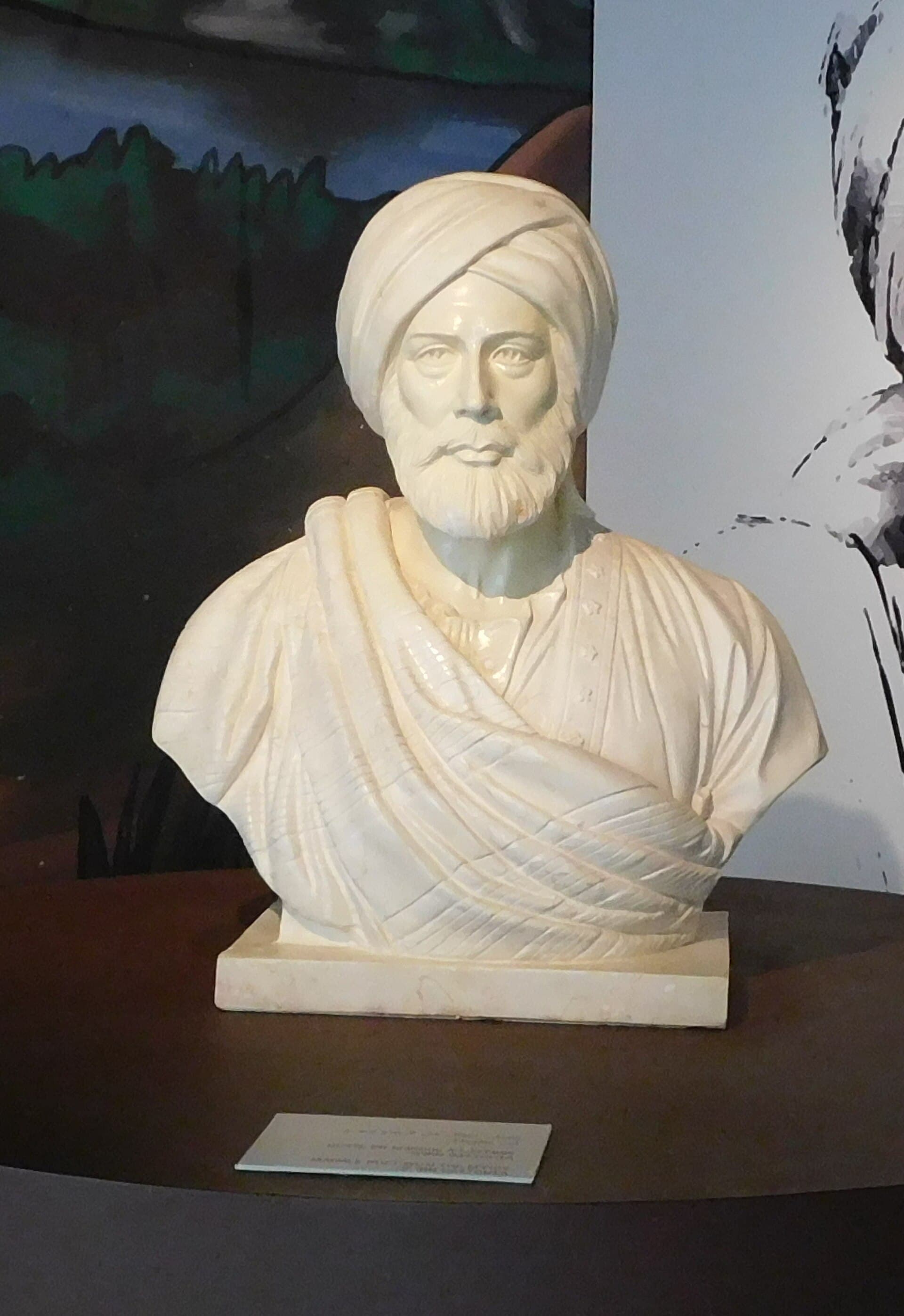
On 14 June 1325, a young law student named Abu Abdullah Muhammad ibn Abdullah al-Lawati al-Tanji ibn Battuta departed from his home in Tangier. Ibn Battuta, at the age of 21, left behind his family, including his father who was a respected qadi of the Berber Lawata tribe, to embark on the hajj, a pilgrimage to Mecca that he anticipated would take a year. What he could not have foreseen was that this journey would extend into nearly three decades of continuous travel, covering a remarkable total of approximately 117,000 kilometres. This odyssey took him across vast stretches of the known world, far exceeding the approximately 24,000 kilometres traversed by the more famous Marco Polo. Ibn Battuta's travels took him through what we now identify as Morocco, Algeria, Tunisia, Libya, Egypt, the Levant, Arabia, Iraq, Iran, East Africa, the Black Sea region, Central Asia, India, the Maldives, Sri Lanka, Southeast Asia, China, Mali, and many territories in between. His return to Tangier in 1354 marked the end of one of the longest and most extensive travel accounts of the medieval world.
What he was
Ibn Battuta was not merely a wanderer but a fully-trained Maliki-rite scholar, possessing fluency in Arabic and familiarity with Persian. His education provided him with the tools to navigate the intricate legal and cultural landscapes of the Islamic world—Dar al-Islam—that spanned from Iberia to Southeast Asia. In this expansive realm, a literate Muslim could expect to find not only shared language and religion but also consistent legal systems and hospitable networks. Ibn Battuta exploited these systems to their fullest, frequently securing positions and status within them. His role as a qadi, or Islamic judge, was not incidental; it was central to his ability to connect with diverse communities along his route. He served as a qadi in various locations, most notably in the Maldives and Delhi, under the authority of Muhammad bin Tughlaq, thereby integrating himself into the socio-political fabric of the regions he traversed.
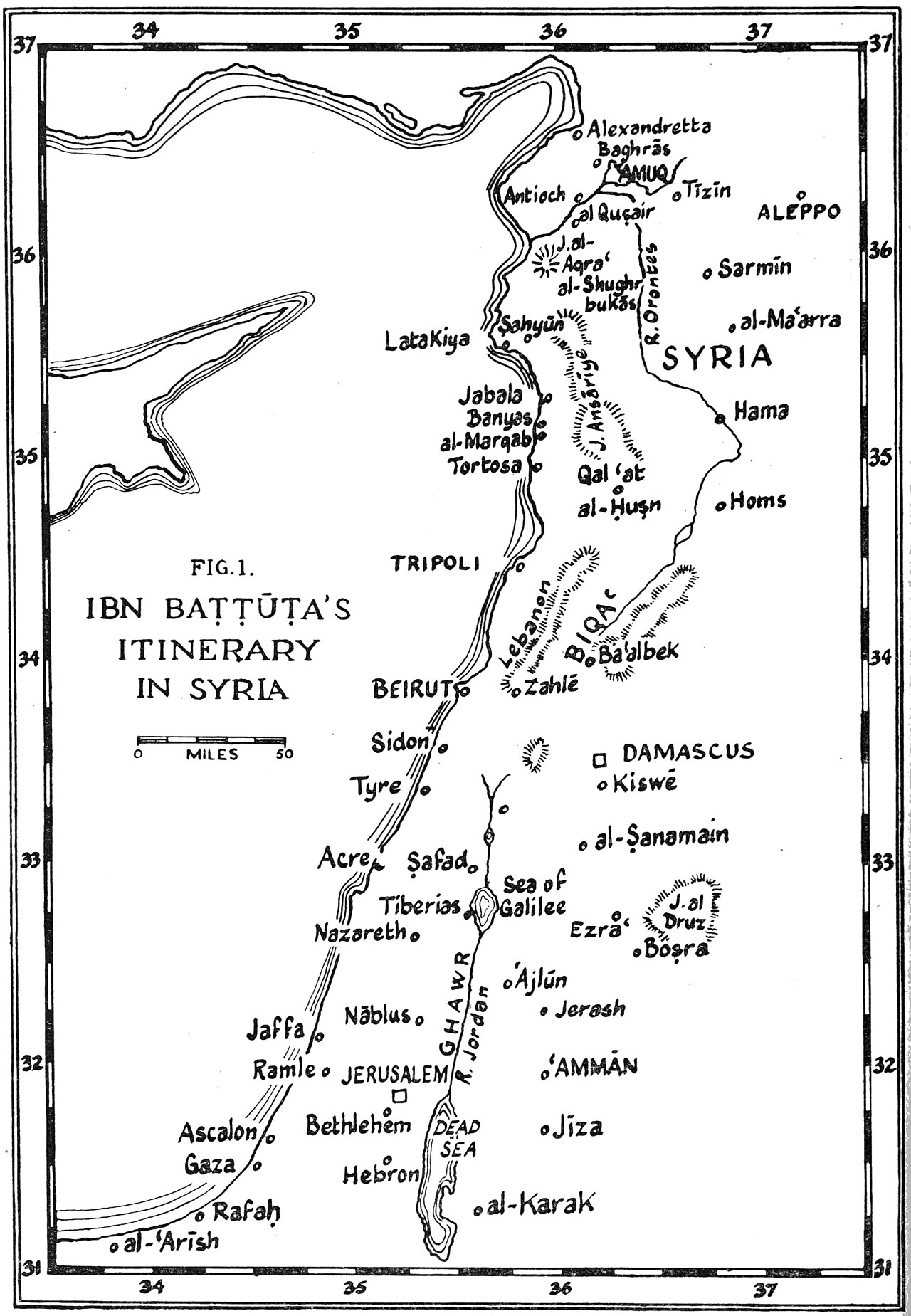
His travels were deeply intertwined with his scholarly pursuits, as he was often welcomed into learned circles and courtly environments due to his legal expertise. In each place, from the bustling markets of Cairo to the remote islands of the Maldives, Ibn Battuta found a niche that allowed him to observe and record the nuances of local governance, culture, and commerce. This role as a qadi provided him with both authority and insight, as he was entrusted with resolving disputes and upholding Islamic law, tasks that required an intimate understanding of local customs and practices.
The shape of the trip
Ibn Battuta's monumental journey can be divided into four distinct phases, each characterized by unique challenges and discoveries. The first phase, spanning from 1325 to 1332, was dominated by his pilgrimage and explorations around the eastern Mediterranean and the Indian Ocean rim. This included travels to East Africa, reaching as far south as Kilwa in present-day Tanzania, before he looped back through Arabia. Each leg of this initial journey revealed the interconnectedness of the Islamic world, as Ibn Battuta encountered familiar customs and structures even in distant lands.
The second phase, from 1332 to 1341, saw him traverse overland routes through the Black Sea region and Constantinople, then across the vast Pontic-Caspian steppe under the Mongol Golden Horde, ultimately reaching Central Asia and Delhi by way of Afghanistan. This period was marked by encounters with the powerful Mongol Khans and the intricate political landscapes they controlled. His sojourn in Delhi as a senior official for seven years during the third phase (1341–1349) was a period of intense political activity and personal growth. However, it also foreshadowed the perilous voyages that followed, which took him through the Maldives, Sri Lanka, Southeast Asia, and finally, China. The final phase (1349–1354) was a return journey that included a significant detour to the Mali Empire from 1352 to 1354, where he visited the court of Mansa Musa's successor, Mansa Sulayman, highlighting the diverse and expansive reach of Islam.
Where he is uniquely valuable
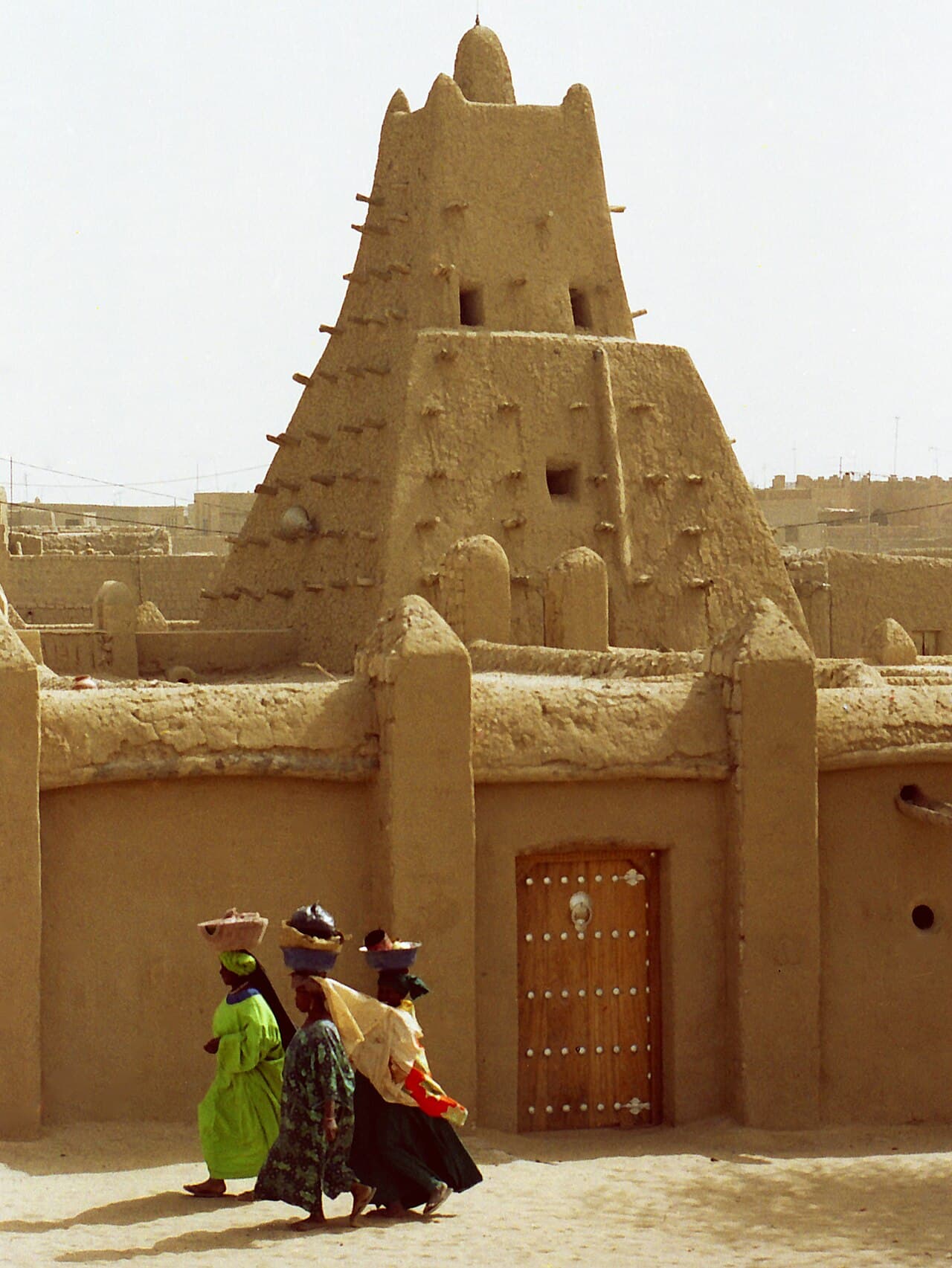
In his extensive travels, Ibn Battuta provided invaluable insights into regions where few other contemporary sources ventured. His narrative stands as the singular pre-modern account of the Maldives, where he served not only as a qadi but also married into the ruling family, offering a rare glimpse into the island's governance and culture. His observations on the Mali Empire under Mansa Sulayman are equally critical, as they constitute one of only two surviving contemporary descriptions of the Mali court—the other being Al-Umari's secondhand account.
Moreover, Ibn Battuta's accounts of Timbuktu, Gao, and the trade networks along the inland Niger River form the backbone of modern historical reconstructions of sub-Saharan Africa's medieval Islamic intellectual life. These sections of his Rihla are indispensable for understanding the cultural and economic exchanges across the Sahara. Where Ibn Battuta covers more frequently documented regions, such as Egypt, Iraq, and the Hijaz, his contributions serve as corroborative evidence, reinforcing the narratives provided by other medieval sources.
Where he is shaky
The narrative of Ibn Battuta's travels, the Rihla, was dictated to a court scribe, Ibn Juzayy al-Kalbi, in Granada in 1355. This process, occurring three decades after his earliest voyages, inevitably led to certain ambiguities and exaggerations. The earliest sections of his account bear signs of compression and show instances of borrowing from prior travel writers, notably Ibn Jubayr, whose 12th-century Rihla shares certain thematic elements with Battuta's narrative. Scholars such as Tim Mackintosh-Smith and Ross E. Dunn have raised questions regarding the authenticity of certain accounts, particularly the China section, which some believe might be embellished or partially borrowed.
Despite these concerns, the general scholarly consensus holds that while individual anecdotes might require cross-referencing for accuracy, the broad strokes of Ibn Battuta's travels are reliable. His narrative is often corroborated by other contemporary sources, lending credibility to its overall structure. Nevertheless, the Rihla's detailed personal narratives and vivid descriptions must be approached with a degree of scholarly caution, acknowledging both its historical value and its narrative embellishments.
Why he is less famous than Marco Polo
The comparative obscurity of Ibn Battuta in the Western world, especially when juxtaposed with Marco Polo, can be attributed to several factors. The asymmetry of translation played a significant role; while Marco Polo's 'Description of the World' was rapidly disseminated in Latin and Italian, with translations spreading across Europe by the 16th century, Ibn Battuta's Rihla remained confined to Arabic for centuries. It was only in 1853 that Defrémery and Sanguinetti produced the first complete European translation in French, a significant delay that impacted his recognition outside the Islamic world.
Furthermore, the intended audience of each narrative was markedly different. Marco Polo's accounts offered exotic tales of the Mongol East to a curious Christian Europe, capturing the imagination of a world unfamiliar with the regions he described. In contrast, Ibn Battuta's travels through the familiar Islamic territories were directed towards fellow Muslims, documenting cultures and societies that, while impressive in their diversity, did not hold the same exotic allure for his contemporaries. Additionally, the politics of historical canon formation in 19th- and 20th-century European scholarship further entrenched this disparity, positioning Marco Polo as a foundational figure in the exploration narrative, while Ibn Battuta was relegated to a regional curiosity. This view has shifted since the 1960s, as scholars have increasingly recognized the depth and breadth of Ibn Battuta's contributions to our understanding of the medieval world.
The cost of Ibn Battuta's extraordinary journey was immense. Throughout his travels, he faced numerous hardships: shipwrecks, robberies, imprisonments, and separations from his companions and wives. He married and divorced over a dozen times, leaving children in several countries, a testament to the personal sacrifices that marked his nomadic existence. By the time he returned to Morocco, he was approximately 50 years old and no longer possessed the physical vitality for extended travel. His final years were spent in relative obscurity, serving as a qadi in a small Moroccan town until his death in 1369.
Yet, the manuscript of his travels, compiled by Ibn Juzayy, has endured, offering the closest semblance of a comprehensive, ground-level account of the 14th-century world. Through the Rihla, Ibn Battuta provides an unparalleled window into a vast array of cultures, economies, and political systems, rendering him an indispensable figure in the annals of medieval history. His journey, marked by both triumph and trial, stands as a singular testament to the interconnectedness and diversity of the medieval Islamic world.
References
- Dunn, R. E. (2012). The Adventures of Ibn Battuta: A Muslim Traveler of the Fourteenth Century, 2nd edition. University of California Press.
- Mackintosh-Smith, T. (2002). Travels with a Tangerine: A Journey in the Footnotes of Ibn Battutah. John Murray.
- Ibn Battuta, translated by H. A. R. Gibb. (1958–1994). The Travels of Ibn Baṭṭūṭa, A.D. 1325–1354 (4 volumes). Hakluyt Society.
- Defrémery, C., & Sanguinetti, B. R. (1853–1858). Voyages d'Ibn Batoutah. Imprimerie Impériale (the first complete European translation).


