
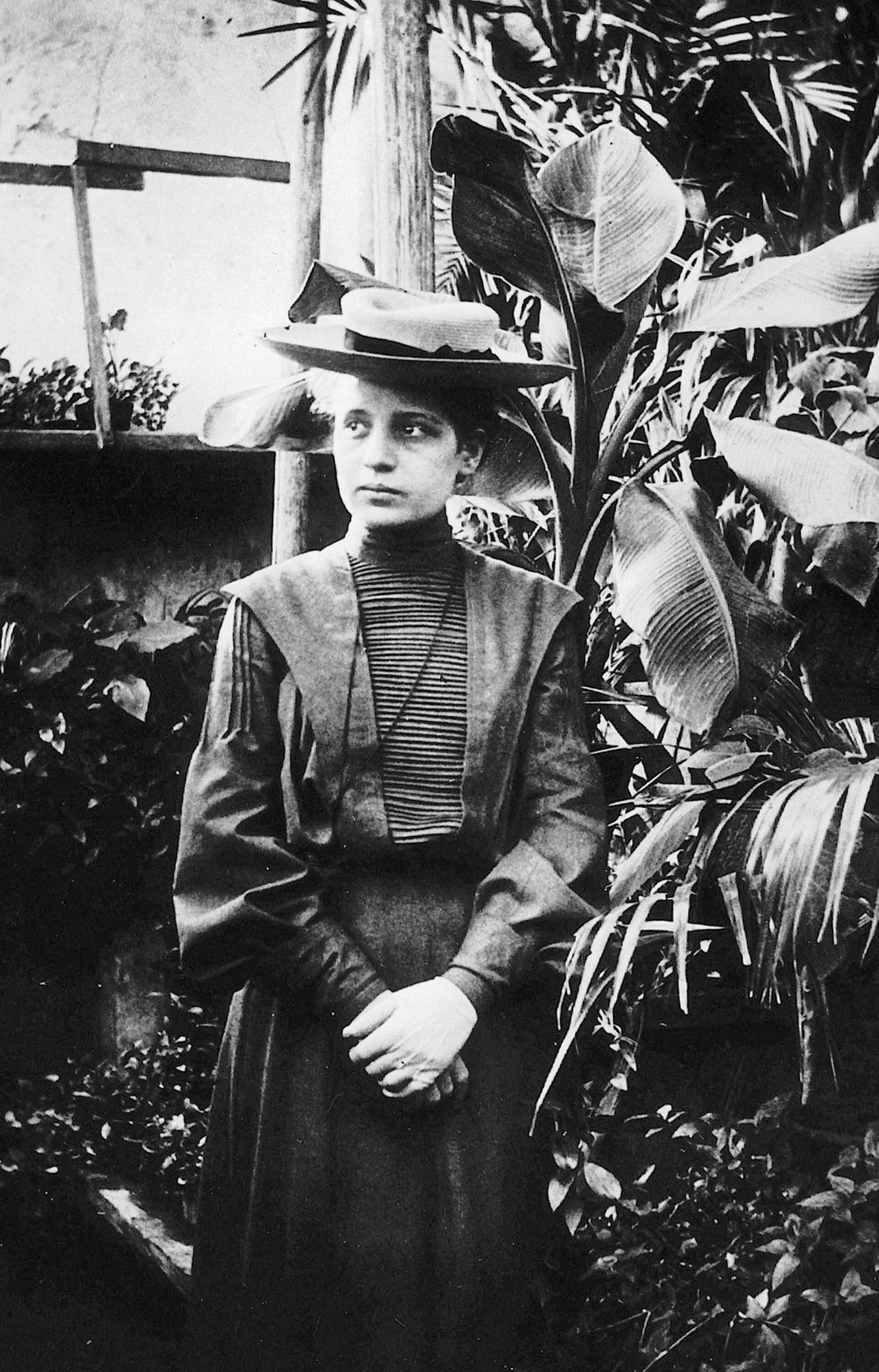
In the waning days of December 1938, Kungälv, a small town in southwestern Sweden, became an unlikely theatre for one of the most pivotal moments in scientific history. Lise Meitner, a physicist of formidable intellect, found herself in exile, having fled Berlin five months earlier to escape the tightening grip of Nazi Germany. She was sixty years old, burdened with the weight of displacement, yet invigorated by the persistent quest for scientific truth. Walking alongside her nephew, physicist Otto Frisch, through the snow-covered landscape, she contemplated a letter from Otto Hahn, her former collaborator at the Kaiser Wilhelm Institute. The letter detailed perplexing experimental results that defied the understanding of contemporary nuclear physics. By the end of their walk, Meitner had elucidated the mechanism: the uranium nucleus was undergoing fission, a groundbreaking realisation that would change the course of history.
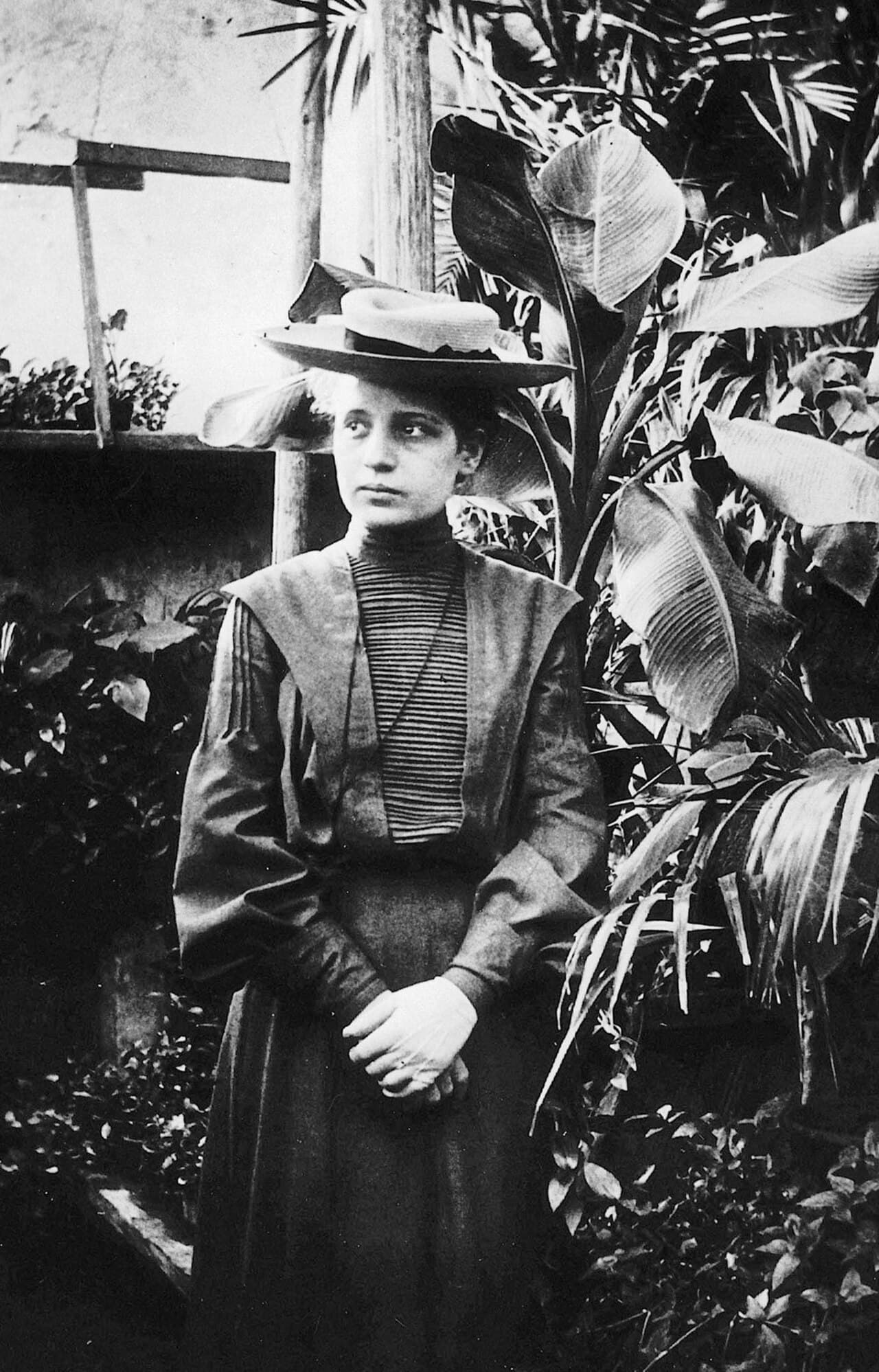
Who she was
Lise Meitner was born in Vienna in 1878, the third of eight children in a family that valued education and intellectual achievement. Her father, a Jewish lawyer, supported her pursuit of knowledge in a society where academic pathways for women were obstructed by systemic barriers. The Habsburg education system, emblematic of these restrictions, barred women from attending public secondary schools. Undeterred, Meitner pursued her education through private tutelage, eventually gaining entry to the University of Vienna in 1901. There, she studied under the tutelage of Ludwig Boltzmann and earned her doctorate in physics in 1906, becoming only the second woman in the world to do so. This achievement marked the beginning of her distinguished career in a field that was just beginning to unlock the secrets of the atomic world.
Meitner's academic journey led her to Berlin in 1907, where she sought to collaborate with Max Planck, a leading figure in theoretical physics. However, the Prussian universities of the time did not admit women, a policy reflecting the entrenched gender biases of the era. Despite this, Planck made an exception for Meitner, allowing her to attend his lectures and work in his laboratory. This period in Berlin was foundational for Meitner, both in terms of her scientific career and her personal resilience in overcoming institutional sexism. It was also in Berlin that she met Otto Hahn, initiating a collaboration that would span three decades and lead to significant advancements in the study of radioactive elements.
The Hahn-Meitner collaboration
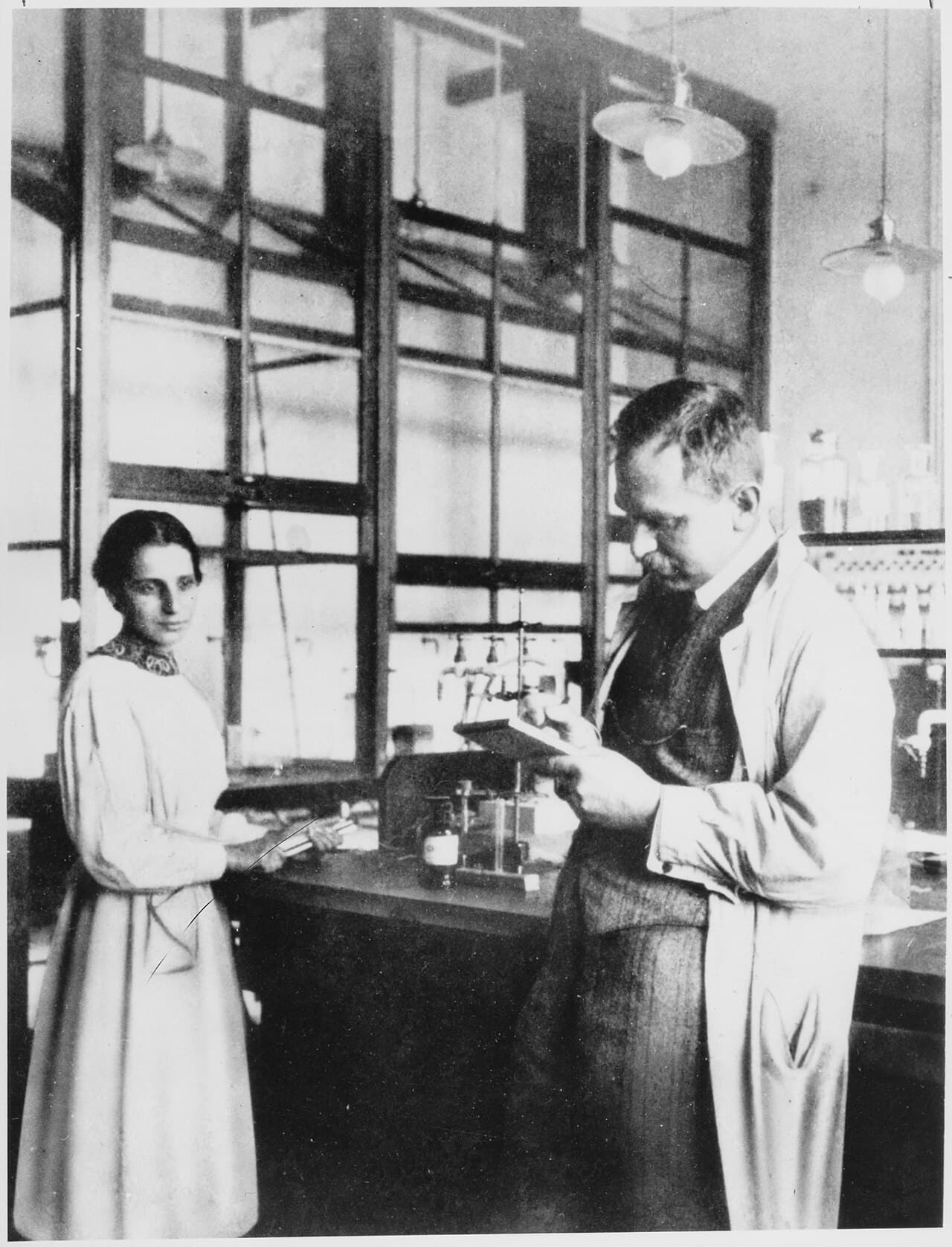
The collaboration between Otto Hahn and Lise Meitner began in 1907, in the less-than-ideal setting of a former carpentry workshop at the University of Berlin. Hahn, a chemist with a keen interest in radioactivity, and Meitner, a physicist with a burgeoning reputation, complemented each other's strengths. Initially, institutional restrictions meant that Meitner was not allowed in the main laboratory, a testament to the prevailing gender norms. Undeterred, they persevered, and their partnership yielded significant discoveries, including the identification of the element protactinium in 1917.
By the 1930s, the Hahn-Meitner-Strassmann team was running a leading research programme in Berlin, focusing on the behaviour of heavy radioactive elements. Fritz Strassmann, a skilled chemist, joined their efforts, bringing additional expertise to their experiments. This period was marked by intense scientific inquiry, particularly following Enrico Fermi's 1934 experiments in Rome, which involved bombarding uranium with neutrons. Fermi's findings were puzzling and could not be fully explained at the time. Meitner, recognizing the importance of systematic follow-up, pushed her team to explore the anomalies further, setting the stage for their eventual discovery of nuclear fission.
The exile
As the political climate in Germany deteriorated with the rise of the Nazi regime, Meitner, though having converted to Protestantism, was imperilled by her Jewish heritage. She had acquired Austrian citizenship to remain in Berlin, but the Anschluss in March 1938 rendered her stateless, stripping away her only legal protection. The Nazi state intensified its persecution, limiting her freedom and making her continued presence in Berlin untenable. By July 1938, it became clear that she needed to leave Germany to continue her work safely.
With the assistance of Dutch physicists and a forged Austrian passport, Meitner made a perilous escape across the Dutch border, carrying little more than two suitcases and ten marks. Her journey eventually led her to Stockholm, where she found refuge but also isolation, as the Swedish scientific community was initially indifferent to her plight and her expertise. Despite these challenges, Meitner continued to correspond with Hahn and Strassmann, discussing their ongoing research in a carefully coded language to evade censorship and interception by the authorities.
The November experiments
In the Berlin laboratory, Hahn and Strassmann pressed on with the experiments, following Meitner's guidance from afar. They focused on irradiating uranium with neutrons, expecting to find heavy transuranic elements. Instead, their chemical analyses revealed the presence of barium, an element markedly lighter than uranium and wholly unexpected. This unexpected result was baffling, even to Hahn, who was a seasoned chemist. In a letter dated December 1938, he wrote to Meitner: 'Perhaps you can come up with some sort of fantastic explanation.' The results were as perplexing as they were revolutionary, challenging the very foundations of nuclear chemistry.
Meitner received the letter at the Kungälv guest house on December 20, 1938. The implications of the findings were not immediately clear, but Meitner's keen scientific intuition was sparked. The experimental results pointed to a process that had not yet been conceived in nuclear physics, one that required a reevaluation of their understanding of atomic structure and reactions.
The walk
As Christmas approached, Meitner was joined by her nephew, Otto Frisch, who had travelled to spend the holidays with her. On a walk through the snowy landscape of Kungälv, they discussed the baffling results from Berlin. Meitner, drawing on the liquid-drop model of the nucleus proposed by George Gamow and Niels Bohr, considered the possibility that the uranium nucleus might be distorted by neutron capture to the point of instability, leading it to split into two lighter nuclei.
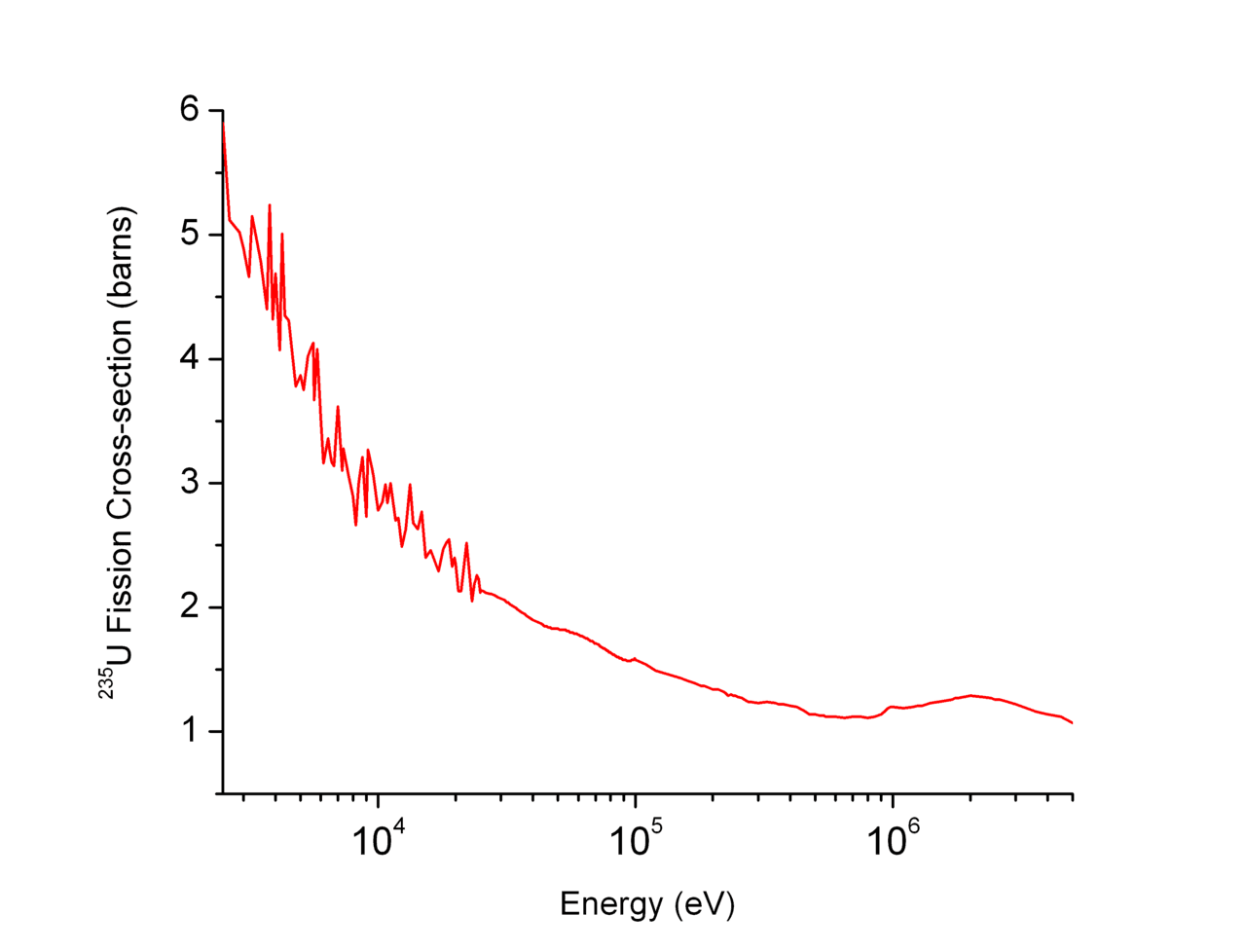
On a scrap of paper, Meitner performed the energy calculation: the mass difference between the original uranium nucleus and the resulting smaller nuclei, multiplied by the speed of light squared (Einstein's equation E=mc²), indicated a release of approximately 200 million electronvolts of energy per fission event. The arithmetic was irrefutable, and it was clear that a new kind of nuclear reaction had been discovered. Meitner and Frisch published their findings in the journal Nature on February 11, 1939, coining the term 'fission' to describe the process, inspired by the division of biological cells.
The 1944 Nobel
In 1944, Otto Hahn was awarded the Nobel Prize in Chemistry for his part in the discovery of the fission of heavy nuclei. The omission of Meitner and Strassmann from the award, however, has been a subject of extensive scrutiny and debate. The Nobel committee's decision reflected a combination of factors, including the parochial nature of disciplinary boundaries that undervalued Meitner's theoretical contributions, the chaos of the wartime period, and the gender biases that pervaded the scientific establishment. Historians such as Ruth Lewin Sime, in her biography "Lise Meitner: A Life in Physics," have explored these injustices in detail, drawing attention to the systemic issues that marginalized Meitner's role in the discovery.
Hahn himself was inconsistent in acknowledging Meitner's contributions, both in his private correspondence and public statements. As documented in his autobiography "My Life: The Autobiography of a Scientist," he oscillated between attributing the breakthrough to her and downplaying her role, reflecting the complex interplay of personal pride and professional rivalry. The historical record, however, is clear in recognising Meitner's pivotal role in interpreting the experimental data and framing the theoretical understanding of nuclear fission.
Lise Meitner's legacy, however, endures beyond the awards and accolades. Throughout the Second World War and afterwards, she steadfastly refused to participate in any weapons research, holding firm to her ethical convictions even as the world was plunged into conflict. In 1960, she relocated to Cambridge, where she lived out her final years, passing away in 1968. Her gravestone in Bramley, Hampshire, bears a simple yet profound epitaph: 'A physicist who never lost her humanity.'
In 1992, in recognition of her contributions to science and in a gesture towards historical redress, element 109 was named meitnerium in her honour. In contrast, the element initially proposed to be named after Otto Hahn, hahnium, was eventually renamed dubnium after international discussions. The cosmic ordering of recognition may indeed be slow, but it trends towards an approximation of justice. Lise Meitner's story is a reminder of the resilience required to pursue truth and the integrity needed to stand by one's principles, even in the most challenging of times.
References
- Sime, R. L. (1996). Lise Meitner: A Life in Physics. University of California Press.
- Meitner, L., & Frisch, O. R. (1939). Disintegration of uranium by neutrons: a new type of nuclear reaction. Nature, 143, 239–240.
- Crawford, E., Sime, R. L., & Walker, M. (1997). A Nobel tale of postwar injustice. Physics Today, 50(9), 26–32.
- Hahn, O. (1958). My Life: The Autobiography of a Scientist. Herder and Herder.


