
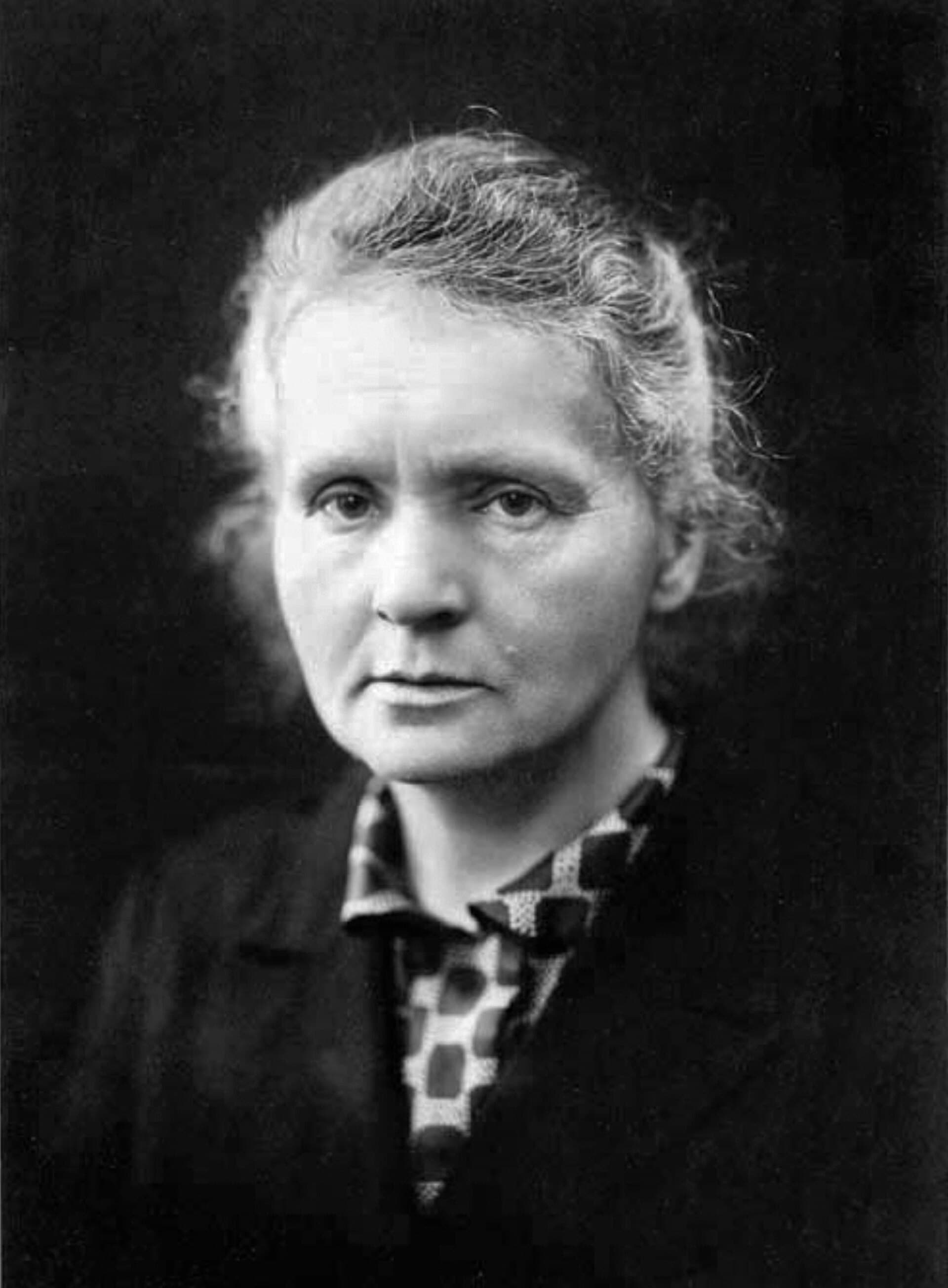
Within the austere archives of the Bibliothèque nationale de France, Marie Curie's laboratory notebooks rest in lead-lined boxes, a testament to both the promise and peril of scientific discovery. These volumes, still emitting radiation over a century after their creation, require any reader to sign a waiver acknowledging the potential health risks. The precaution is far from ceremonial; the radioactivity bound within the pages will persist for another 1,500 years. Curie herself was buried in a lead-lined coffin when transferred to the Panthéon in 1995. Her remains, like her legacy, continue to emit faint traces of radium, a silent testimony to a life devoted to the exploration of the invisible forces that she could neither fully understand nor predict in their lethality.
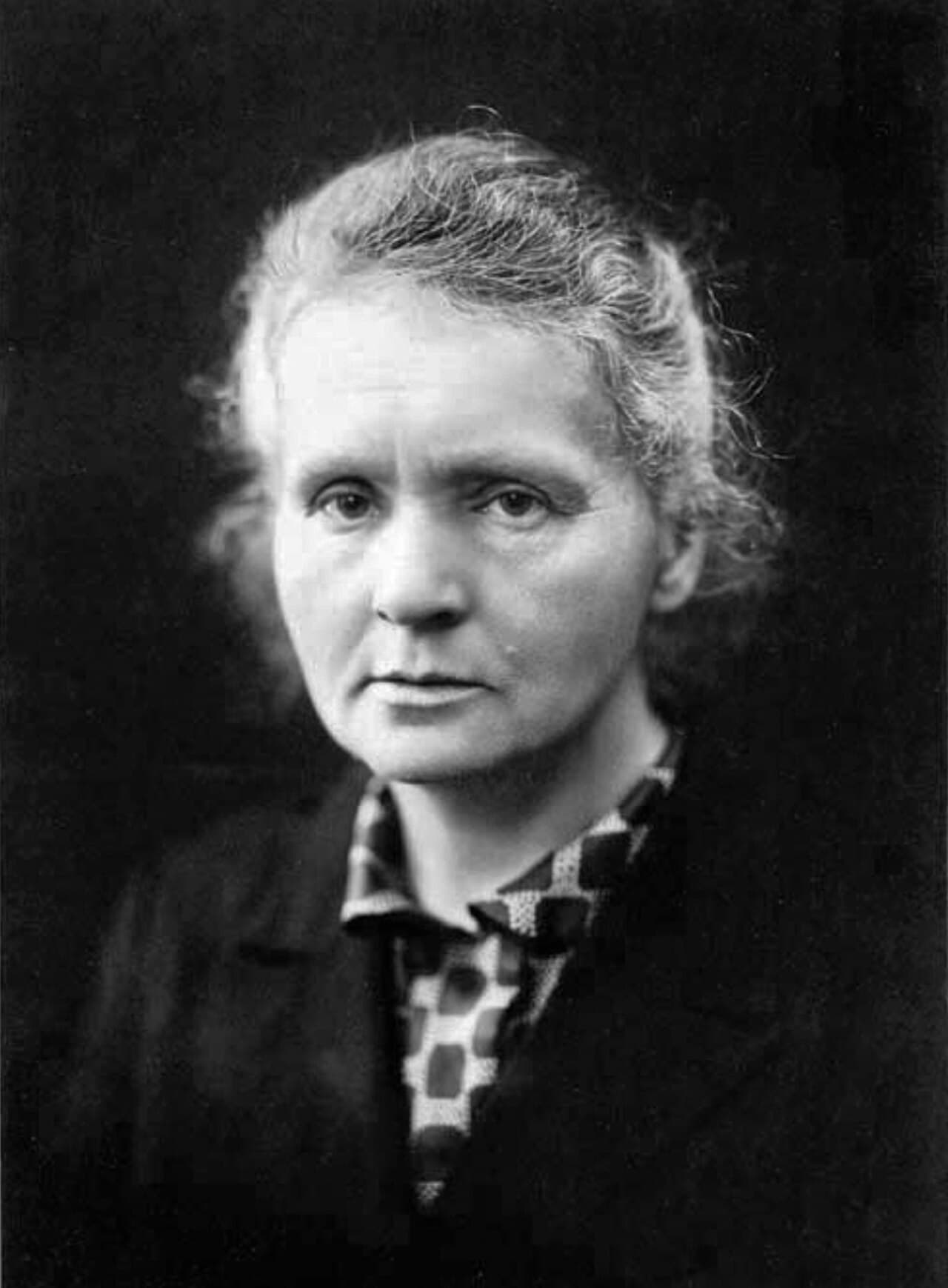
Who she was
Marie Curie's journey began as Maria Salomea Skłodowska, born in 1867 in Warsaw, then under Russian rule. In a society where opportunities for women were scarce, particularly in education, Maria's early years were marked by a determined pursuit of knowledge. The oppressive Russian education system barred women from university, pushing her to clandestinely attend the 'Flying University', an underground institution that defied the restrictions imposed by the authorities. Her ambition drove her to save for years, eventually allowing her to study at the Sorbonne in Paris, where she moved in 1891.
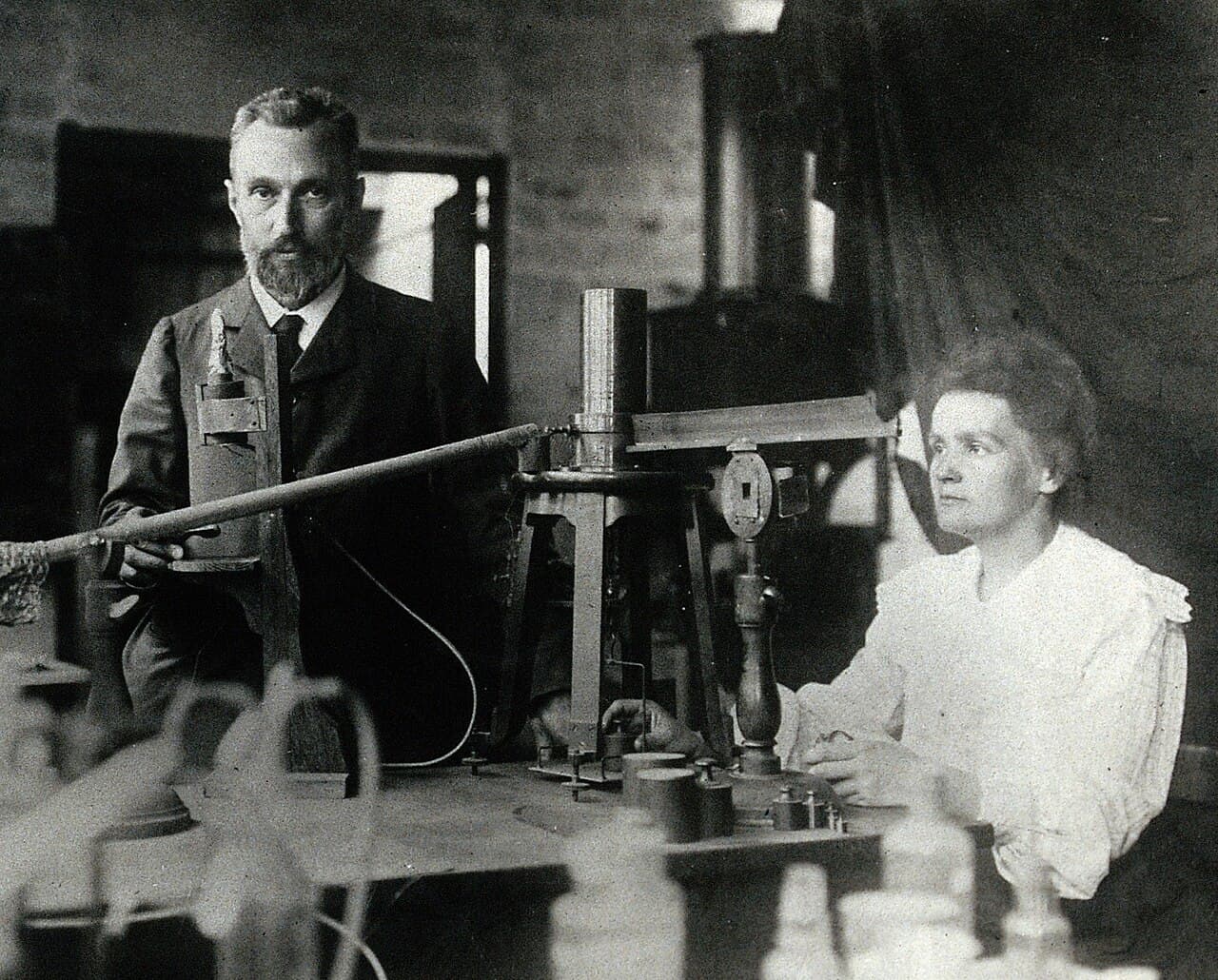
At the Sorbonne, her academic prowess became evident; she graduated first in her class in physics and second in mathematics. In 1895, she married Pierre Curie, a fellow physicist whose scientific curiosity matched her own. Their partnership would become one of the most fruitful collaborations in scientific history, though it was not without its challenges, both personal and professional. The couple's joint exploration of radioactivity would alter the trajectory of science, even as it unwittingly paved the way to their own physical declines.
The work
In 1897, the Curies embarked on a formidable scientific inquiry into the mysterious emissions from uranium, recently identified by Henri Becquerel. Their work, conducted in a makeshift lab—a wooden shed at the École de Physique et Chimie Industrielles—was grueling and hazardous. Lacking proper ventilation or adequate facilities, they manually processed tonnes of pitchblende ore. Through sheer perseverance, by 1898, they had discovered two new elements: polonium, named after Marie's homeland, and radium, which exhibited astonishing luminescent properties.
The isolation of radium required the Curies to endure harsh conditions and intense labour. The shed, with its leaky roof and chilling drafts, became a second home where they spent countless hours amid noxious fumes. Pierre noted the air glowing faintly blue at night, an ethereal sign of the radium's activity. Despite the dangers, neither Marie nor Pierre could have foreseen the full spectrum of consequences that would follow their pioneering work. The atmosphere of discovery was intoxicating, overshadowing the silent hazards accumulating around them.
Two Nobel Prizes
Marie Curie's scientific contributions were acknowledged through the rare distinction of two Nobel Prizes. In 1903, she shared the Nobel Prize in Physics with Pierre and Henri Becquerel. This recognition was nearly deferred, as the committee initially excluded her. It was only through Pierre's insistence and the intervention of Magnus Gösta Mittag-Leffler, a supportive committee member, that Marie's name was rightfully included. This award underscored the impact of their collaborative work on the understanding of radioactivity.
In 1911, Curie received her second Nobel, this time in Chemistry, for her discovery and isolation of polonium and radium. This achievement marked her as the first person—and still the only one—to win Nobel Prizes in two different scientific fields. The accolades confirmed her place at the forefront of scientific advancement, yet they also exacerbated her exposure to scrutiny and personal trials, as her private life became entangled with her public persona.
Pierre's death and what followed
The sudden death of Pierre Curie in 1906 was a profound personal and professional blow to Marie. Pierre's tragic accident—being run over by a horse-drawn cart on the Rue Dauphine—was a stark reminder of life's fragility. His sudden absence left a void not only in her personal life but also in their scientific partnership. Their shared burden of chronic fatigue and pain, a consequence of prolonged exposure to radioactive materials, was now hers alone to bear.
Following Pierre's death, Marie assumed his professorship at the Sorbonne, becoming the first woman to hold such a position. Her resilience in the face of adversity was tested further by a scandalous affair with physicist Paul Langevin in 1910, which the press exploited with relish. Despite the public scrutiny, she remained focused on her scientific pursuits, receiving her second Nobel Prize during the height of the scandal. Her ability to navigate these tumultuous events underscored her determination to continue the work they had begun together.
The First World War
The outbreak of the First World War in 1914 provided Marie Curie with a new avenue to apply her expertise. She was instrumental in equipping twenty mobile radiology units, later known as 'petites Curies', to aid in the medical treatment of wounded soldiers. Alongside her daughter Irène, Marie trained 150 women as radiographers, a role that placed them at the forefront of medical technology during the conflict. Her efforts ensured that over a million French soldiers received X-ray examinations, dramatically improving the accuracy of diagnoses and treatment outcomes.
Despite these advances, the rudimentary shielding standards of the time meant that those operating the equipment—Curie included—were exposed to significant radiation doses. The absence of adequate protection measures was yet another layer of risk in a career already laden with exposure. Yet, in the urgency of war, the benefits of radiological technology far outweighed the immediate concerns over safety, a compromise that resonated with Marie's own experiences of scientific inquiry.
How she died
Marie Curie's death on 4 July 1934 marked the end of an era in scientific exploration. She succumbed to aplastic anaemia, a condition exacerbated by her prolonged exposure to radiation over decades. Her demise occurred at a sanatorium in Sancellemoz, France, where she had retreated in hopes of recuperating. The diagnosis was a stark acknowledgment of the occupational hazards that had shadowed her career. Marie's exposure is now estimated to have been several Sieverts, multiple times the acceptable limit for radiation workers today.
The legacy of radiation's toll on the Curie family extended beyond Marie. Her daughter Irène, who followed in her mother's scientific footsteps and won a Nobel Prize in Chemistry in 1935, also fell victim to radiation-induced illness, dying of leukaemia in 1956. These personal tragedies highlight the paradox of their scientific contributions: a commitment to uncovering nature's secrets, blind to the unseen dangers that lay within their grasp.
In the end, the story of Marie Curie's life and work is etched into the very materials she once handled. The books in their lead-lined boxes at the Bibliothèque nationale de France will remain hazardous well into the future due to the radium-226 they contain, with its 1,600-year half-life. The carbon smudges and pitchblende stains testify to a pursuit conducted with single-minded fervour, devoid of the knowledge of its toll. Her dedication was genuine, yet it was a dedication uninformed by the full consequences. The price she paid was incalculable, driven by a curiosity that could not foresee the future she was helping to shape.
References
- Goldsmith, B. (2005). Obsessive Genius: The Inner World of Marie Curie. W. W. Norton & Company.
- Curie, M. (1923). Pierre Curie, with autobiographical notes. Macmillan.
- Quinn, S. (1995). Marie Curie: A Life. Simon & Schuster.
- Nobel Prize in Physics 1903 and Nobel Prize in Chemistry 1911 (official record).


