Picture this: you've invested five years in mastering French. Your grammar is impeccable, your vocabulary vast, yet as you converse at a dinner in Paris, a well-meaning guest inquires about your origin with a polite smile. It feels like an indictment of your efforts, as though your accent has betrayed you, screaming "foreigner" despite your fluency. This familiar scenario is not a failure of your linguistic journey but rather a testament to the nature of adult language acquisition. The weight of accents in our perception of language mastery often belies the multifaceted skill set of an adult learner who, in most cases, has achieved remarkable proficiency in a second language, notwithstanding the subtle intonations that distinguish native from non-native speakers.
The critical period — what was actually claimed
The notion of a critical period for language acquisition first gained prominence through Eric Lenneberg's hypothesis, articulated in his 1967 work, "Biological Foundations of Language." Lenneberg posited that there is a maturational window, extending roughly until the onset of puberty, during which the human brain is optimally primed for acquiring a first language. Beyond this period, while language acquisition remains possible, it transpires with marked differences, notably in phonological assimilation. While the hypothesis has undergone numerous refinements and remains a subject of debate among linguists, one aspect has proven resilient across studies: adult learners of a second language rarely achieve phonological precision indistinguishable from that of a native speaker. This holds true even when their grammatical constructs and lexical breadth rival those of native speakers. Thus, the persistence of a discernible accent among adult learners should not be misconstrued as a deficiency but rather understood within the context of cognitive development and linguistic plasticity.
Why pronunciation is the hardest part
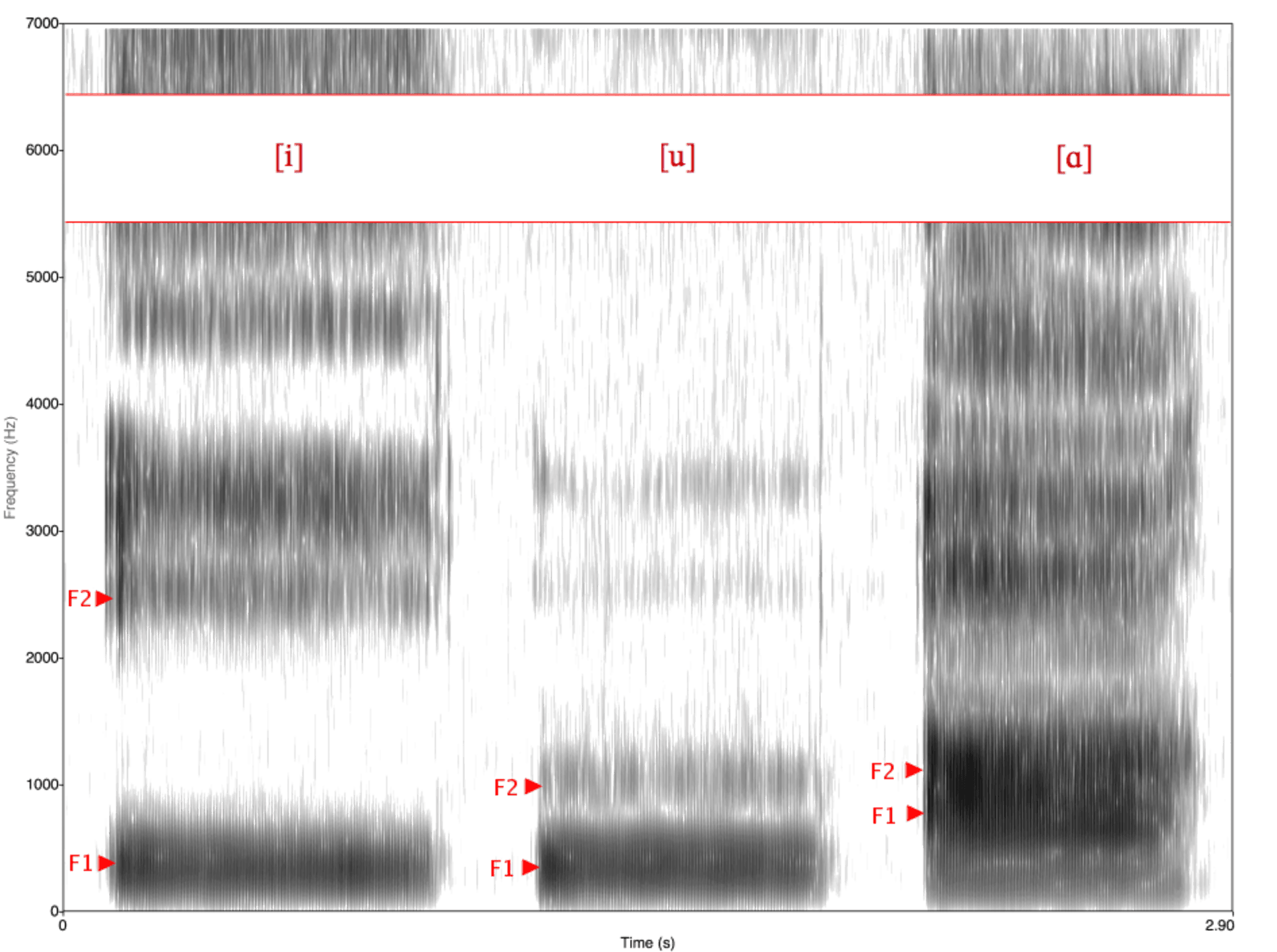
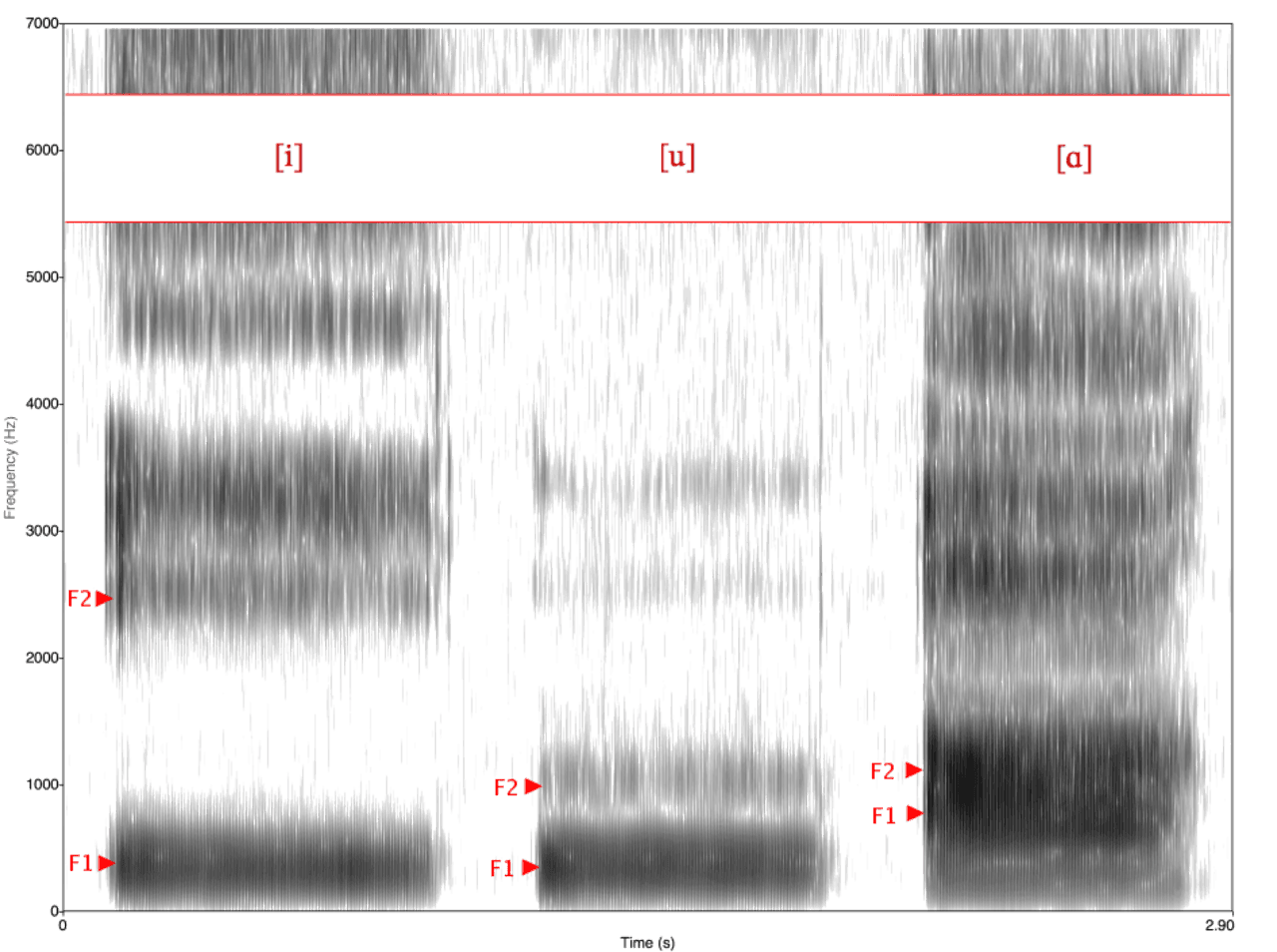
Pronunciation, or phonology, is perhaps the most formidable barrier to achieving native-like language proficiency for adult learners. This difficulty is not merely anecdotal but is rooted in the very architecture of brain development. Phonological systems are established in early childhood, with significant neuroplastic pruning occurring around puberty. By the time an individual reaches their twenties, their capacity to discern phonemic distinctions not present in their first language has significantly diminished compared to their six-year-old self. This reality starkly affects not just perception but also the production of those sounds. Consider the canonical example of Japanese learners of English, who often grapple with the /l/ and /r/ distinction. This challenge arises not from any deficiency in effort but from the fact that the neural pathways required to distinguish between these sounds were pruned away when their developing brain was optimising for Japanese phonology.
The exceptions and what they tell us
While the majority of adult language learners find native-like phonology elusive, there are notable exceptions. These outliers typically share certain characteristics that contribute to their exceptional phonological achievements. Firstly, extensive immersion in the target language before reaching their early twenties often plays a critical role. This immersion facilitates an environment similar to first-language acquisition conditions, albeit in a diminished capacity. Secondly, these individuals often exhibit high integrative motivation, a profound desire to assimilate into the cultural and social fabric of the speech community they are engaging with. Finally, and perhaps most intriguingly, they may possess an unusual phonological aptitude—a measurable trait that predisposes them to excel in acquiring foreign phonetic systems. Research by Wong et al. highlights this aptitude, suggesting that some individuals have a heightened sensitivity to sound structures, which assists them in overcoming the typical barriers faced by adult learners. For the vast majority, however, achieving near-native phonology in isolated contexts—such as specific sounds or formal registers—is a more realistic goal than attaining it comprehensively.
What this means for accent coaching
The role of accent coaching in the language acquisition process warrants a nuanced understanding. While accent coaching has its merits, its effectiveness is largely confined to incremental improvements in intelligibility rather than wholesale transformations towards native phonology. For learners aiming to reduce a noticeable accent to a milder one, especially those already at a high level of proficiency (C2), targeted coaching can indeed refine pronunciation and increase clarity in communication. However, the pursuit of a native-like accent through coaching is fraught with diminishing returns. The extensive time investment required—often hundreds of hours—is not proportionate to the marginal phonological gains achieved. These resources, if redirected, could be more beneficially deployed towards honing other language skills pertinent to the learner's goals, such as expanding their socio-cultural linguistic competence or enhancing their domain-specific vocabulary.
Why none of this matters in the way you think it does
The anxiety surrounding non-native accents is often disproportionate to its real-world implications. In most practical contexts—whether professional, social, or intimate—native speakers are generally accommodating and do not penalise non-native accents. The primary concern is intelligibility; an accent becomes problematic only when it impedes comprehension. Beyond this, any negative reactions are likely rooted in the listener's biases rather than the speaker's linguistic shortcomings. Such biases, regrettably, reflect broader societal prejudices and are not specific to language. Therefore, the onus is not on the speaker to mitigate these biases through accent modification. Instead, the focus should be on ensuring clarity and effective communication. Furthermore, as learners become more integrated into communities, their accents become an accepted part of their identity and experience, appreciated for the diversity they bring to the linguistic landscape.
The relationship between a language learner and their accent should be akin to that between a writer and their handwriting. It is a personal signature, a reflection of one's unique journey through language. Like handwriting, an accent can be refined to enhance clarity, but it need not be wholly eradicated to gain acceptance or credibility. Those who engage with you meaningfully will learn to "read past" the accent, valuing the substance of your words and the depth of your understanding. Embracing this perspective allows learners to reallocate their efforts towards aspects of language that truly enrich their communicative competence and cultural resonance. The pursuit of language mastery, therefore, lies not in the illusory chase for native-like perfection, but in cultivating a voice that is authentically and comfortably your own.
References
- Lenneberg, E. H. (1967). Biological Foundations of Language. Wiley.
- Flege, J. E. (1995). Second language speech learning: Theory, findings, and problems. In W. Strange (Ed.), Speech Perception and Linguistic Experience.
- Wong, P. C. M., et al. (2007). Aptitude for learning a foreign-sounding language. Brain and Language.