
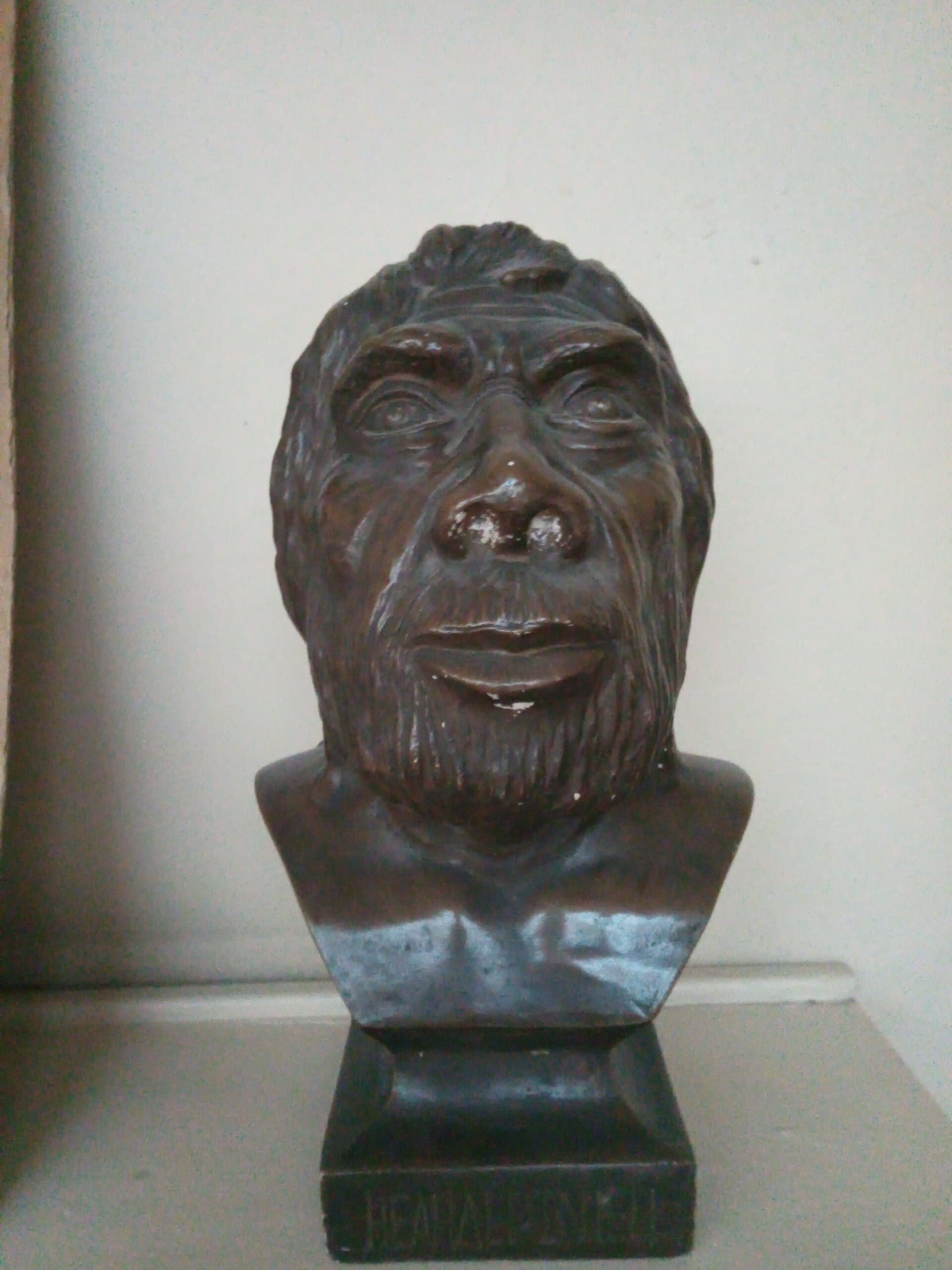
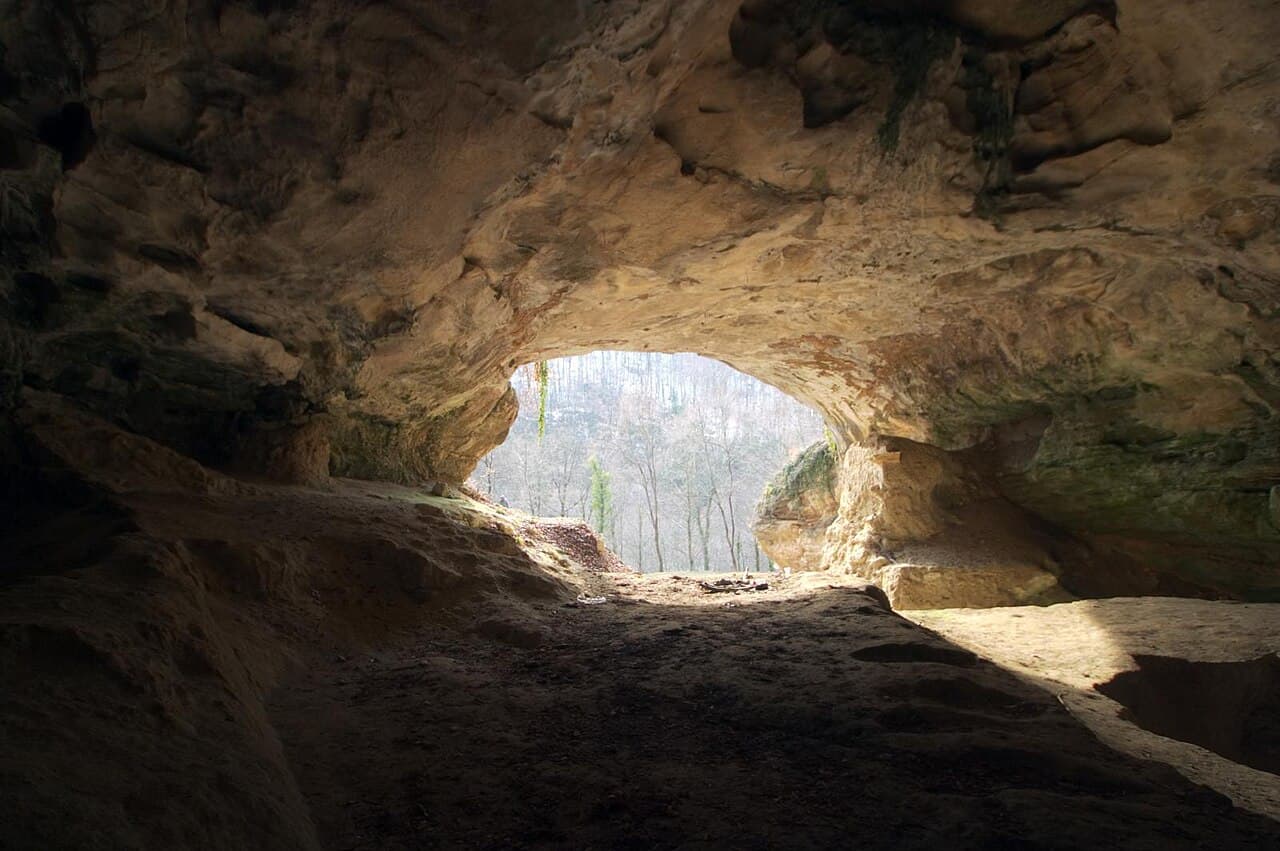
In May 2010, the scientific community was taken aback by a revelation from Svante Pääbo and his team at the Max Planck Institute for Evolutionary Anthropology in Leipzig. By publishing the first draft of the Neanderthal genome in the journal Science, they ushered in a new understanding of human ancestry. The DNA, painstakingly extracted from three Neanderthal bone fragments found in Vindija Cave, Croatia, was about 38,000 years old. The findings showed that present-day humans of non-African ancestry carry roughly 1 to 4 percent of their nuclear DNA from Neanderthals. This discovery notably excluded most sub-Saharan African populations, who, by and large, do not share this genetic contribution. Pääbo's work was not only a triumph of technological and analytical prowess but also a profound shift in our understanding of human evolution. His contributions to this field were recognized with the Nobel Prize in Physiology or Medicine in 2022.
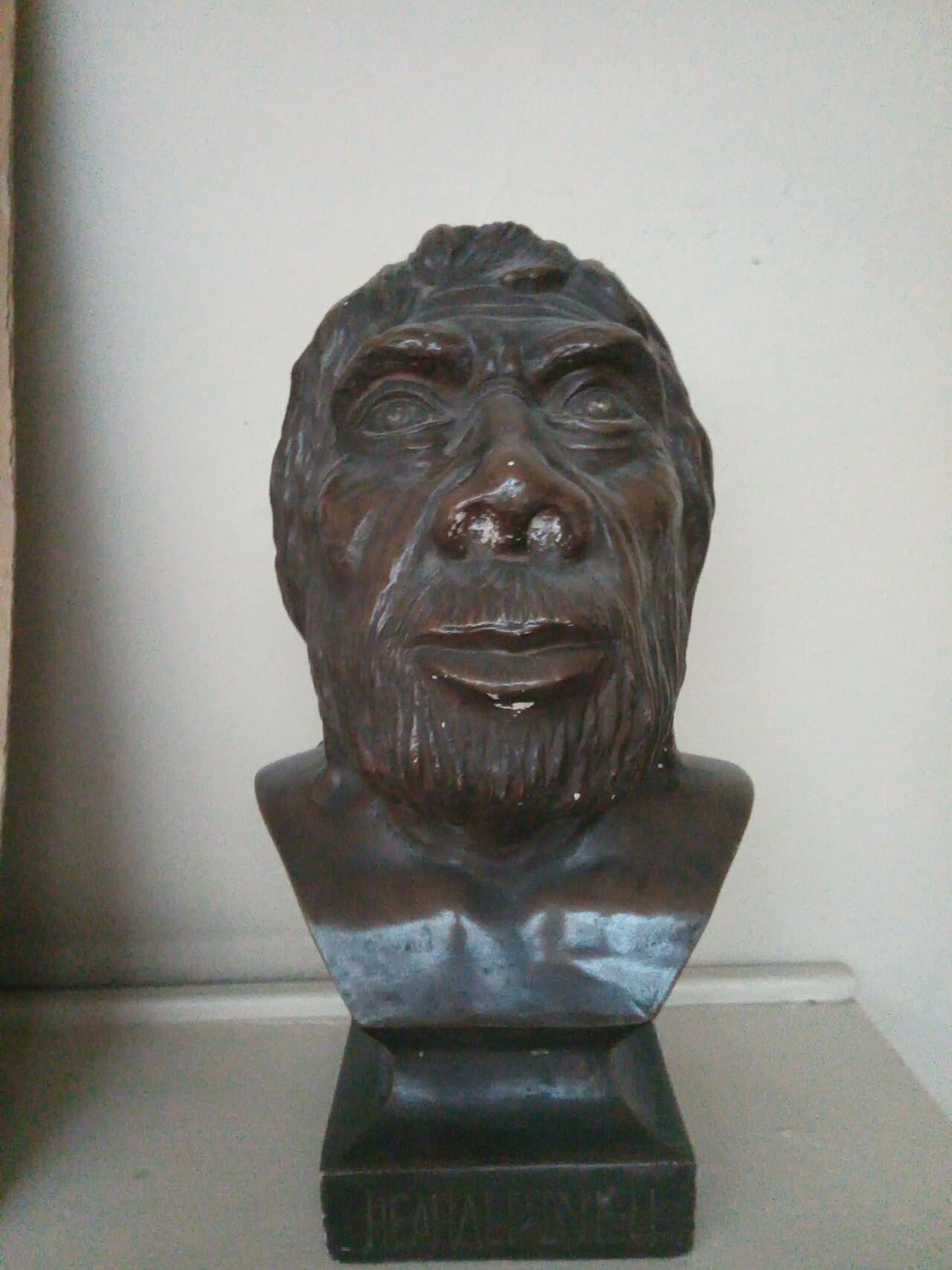
Who Neanderthals were
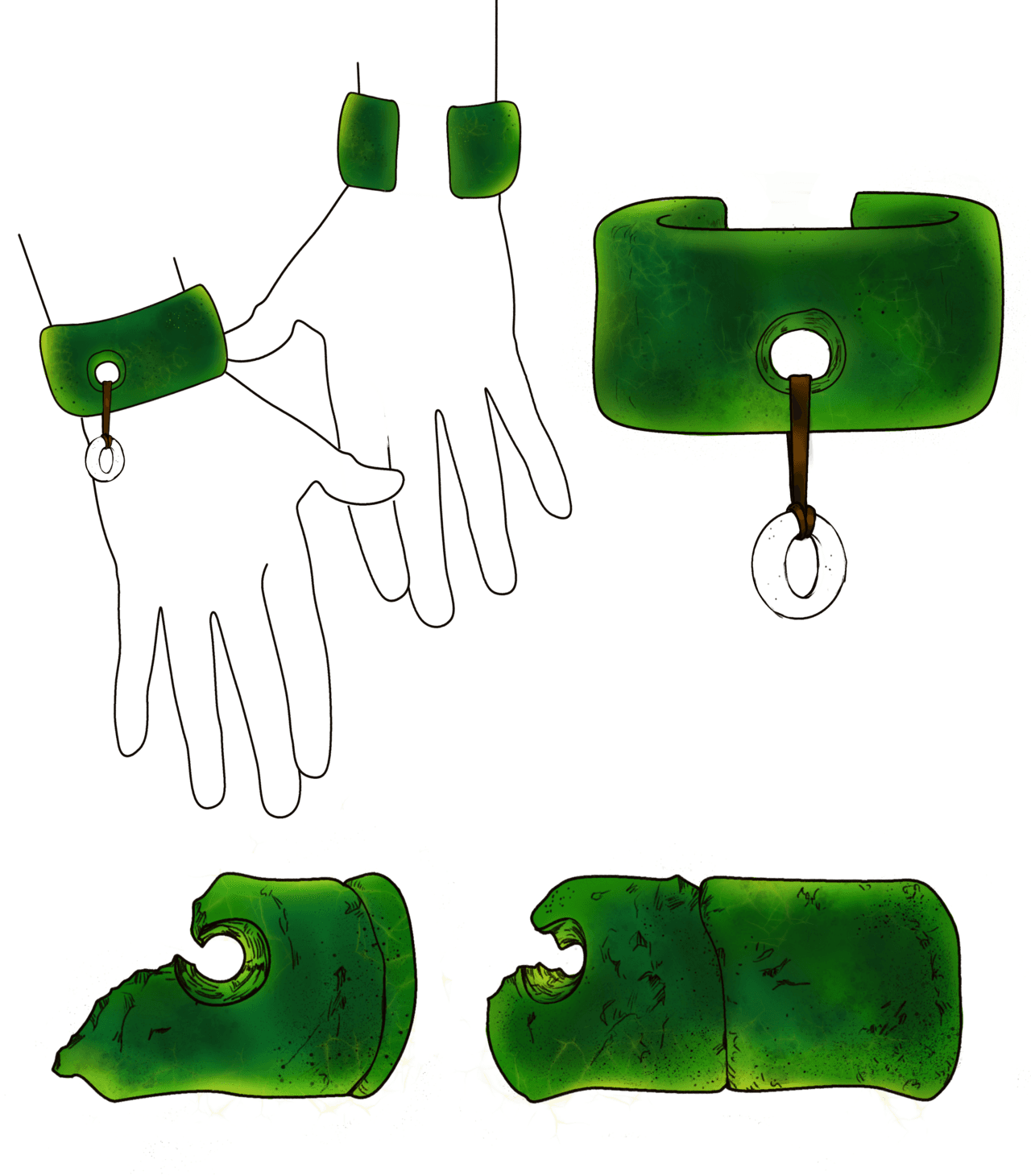
Homo neanderthalensis, a parallel branch of the hominin family tree, lived from about 400,000 to roughly 40,000 years ago, occupying a vast range spanning Europe, the Middle East, and parts of Central Asia. They were not primitive versions of Homo sapiens; rather, they were a distinct lineage that diverged from our common ancestor some 600,000 years ago. Neanderthals were adept at making stone tools, particularly the Mousterian tradition, which indicates a sophisticated understanding of their environment and needs. They harnessed fire, created simple jewellery, and buried at least some of their dead, suggesting the presence of symbolic thought or cultural practices. Their physical form was robust, adapted to withstand the cold European climate, with a stockier build and larger brain volumes compared to modern humans — although brain size is a deceptive measure of cognitive capacity.
Importantly, Neanderthals were not silent brutes as once caricatured. Evidence increasingly supports the notion that they had some form of language, given their capacity for complex tool-making and probable social structures. Despite these capabilities, their extinction around 40,000 years ago remains a subject of scientific investigation, intertwined with climatic shifts and competition with Homo sapiens.
How the interbreeding happened
The genetic mingling between Neanderthals and the ancestors of modern non-African humans occurred when the latter migrated out of Africa around 60,000 years ago. These early modern humans encountered Neanderthal populations in regions like the Middle East, where interbreeding took place repeatedly over the next several millennia. The genetic legacy of these encounters is modest yet significant, with non-Africans inheriting about 1.5 to 2.6 percent of their genome from Neanderthals. This introgression rate varies slightly by region, with East Asians generally carrying more Neanderthal DNA than Europeans.
In contrast, Africans south of the Sahara, who do not share this post-out-of-Africa ancestry, have minimal Neanderthal DNA, barring recent migration events that introduced small amounts. This genetic contribution underscores a complex history of human evolution, where the boundaries between distinct hominin species were more permeable than once believed, leading to a tapestry of genetic inheritance that continues to shape us.
Which Neanderthal genes survived
Over the last 50,000 years, natural selection has winnowed the Neanderthal genetic legacy in modern humans. Much of the DNA inherited from Neanderthals was mildly deleterious and eventually lost. However, certain segments proved advantageous and have persisted at relatively high frequencies. Some of the most well-documented examples involve genes influencing the immune system, such as specific human leukocyte antigen (HLA) variants, which have conferred resilience to certain pathogens. These genes have offered a survival advantage in the pathogen-rich environments that humans encountered as they dispersed across the globe.
Additionally, genes affecting skin pigmentation, keratin production, and lipid metabolism have been retained from Neanderthals, providing adaptations to the colder and more diverse climates of Europe. The keratin-related genes are particularly noteworthy, as they influence traits such as hair and nail structure, which were likely crucial for surviving the harsh climates Neanderthals were well adapted to.
Two specific examples
A striking example of Neanderthal genetic influence is a haplotype on chromosome 3, which affects receptor binding in immune cells. Identified as Neanderthal in origin by Hugo Zeberg and Svante Pääbo in 2020, this haplotype has been associated with a roughly two-fold increased risk of severe COVID-19. It is found in about 16 percent of Europeans and 50 percent of South Asians, illustrating how ancient genetic legacies can still impact modern health in unexpected ways.
Another fascinating case involves the gene EPAS1, which plays a role in high-altitude adaptation. This gene is highly elevated in modern Tibetan populations, offering them a distinct advantage in low-oxygen environments. Although initially thought to be a Neanderthal contribution, further research suggests that the allele may have originated from Denisovans, another archaic human population. Regardless of its precise origin, this allele highlights how ancient genetic variations have been co-opted to meet the challenges of diverse environments.
The Denisovans
Denisovans, another archaic human population, add further complexity to our genetic heritage. Known primarily through genetic analysis of a single tooth and finger bone discovered in the Denisova Cave in the Altai Mountains, Denisovans have contributed about 4 to 6 percent of the DNA found in Papuans, Aboriginal Australians, and some other populations in Oceania. This genetic legacy includes the EPAS1 allele associated with high-altitude adaptation in Tibetans, suggesting that Denisovans may have occupied diverse environments and developed specific adaptations that were beneficial to modern humans.
The Denisovan case is particularly intriguing because, unlike Neanderthals, there is no extensive fossil record to flesh out their appearance or lifestyle. Most of what we know about Denisovans comes from genetic evidence, highlighting the power of genomics to uncover hidden chapters of human history. They represent a tangible connection between the past and present, underscoring that our genetic story is more intricate than a simple, linear evolution.
What this changes about our self-image
The discovery of archaic DNA in modern humans has reshaped our understanding of human evolution. The once-prevailing narrative of a singular, linear dispersion of Homo sapiens from Africa has been supplanted by a more nuanced picture of a species that absorbed genetic contributions from at least Neanderthals and Denisovans. Moreover, some studies suggest that unknown archaic populations within Africa may have also contributed to the gene pool of present-day Africans. This complex network of genetic exchange reveals that our species' history is more of a mosaic than a simple tree.
The genes we have retained from these archaic encounters are not just historical artifacts; they are integral to our biology. Many of these introgressed genes play active roles in contemporary human physiology, influencing traits from immunity to metabolism. This broader understanding invites us to see ourselves not as the sole inheritors of a singular evolutionary path but as a blend of various influences, each contributing to the tapestry of human life.
Neanderthals, a lineage that ceased to exist around 40,000 years ago, have nonetheless left an indelible mark on our genomes. For individuals with ancestry outside of Africa, around two percent of their genetic material traces back to a population that once thrived in Ice Age Europe. This legacy is not merely symbolic but manifests in tangible ways within our bodies—in our immune responses, in the structure of our skin, and in the proteins our liver synthesizes to metabolize fats. Such continuity across millennia highlights the intricate and interconnected nature of human evolution, reminding us that our genetic history is a shared and ongoing narrative, interwoven with the threads of ancient relatives.
References
- Green, R. E., et al. [Pääbo lab] (2010). A draft sequence of the Neandertal genome. Science, 328(5979), 710–722.
- Zeberg, H., & Pääbo, S. (2020). The major genetic risk factor for severe COVID-19 is inherited from Neanderthals. Nature, 587, 610–612.
- Huerta-Sánchez, E., et al. (2014). Altitude adaptation in Tibetans caused by introgression of Denisovan-like DNA. Nature, 512, 194–197.
- Nobel Prize in Physiology or Medicine 2022 to Svante Pääbo.


