
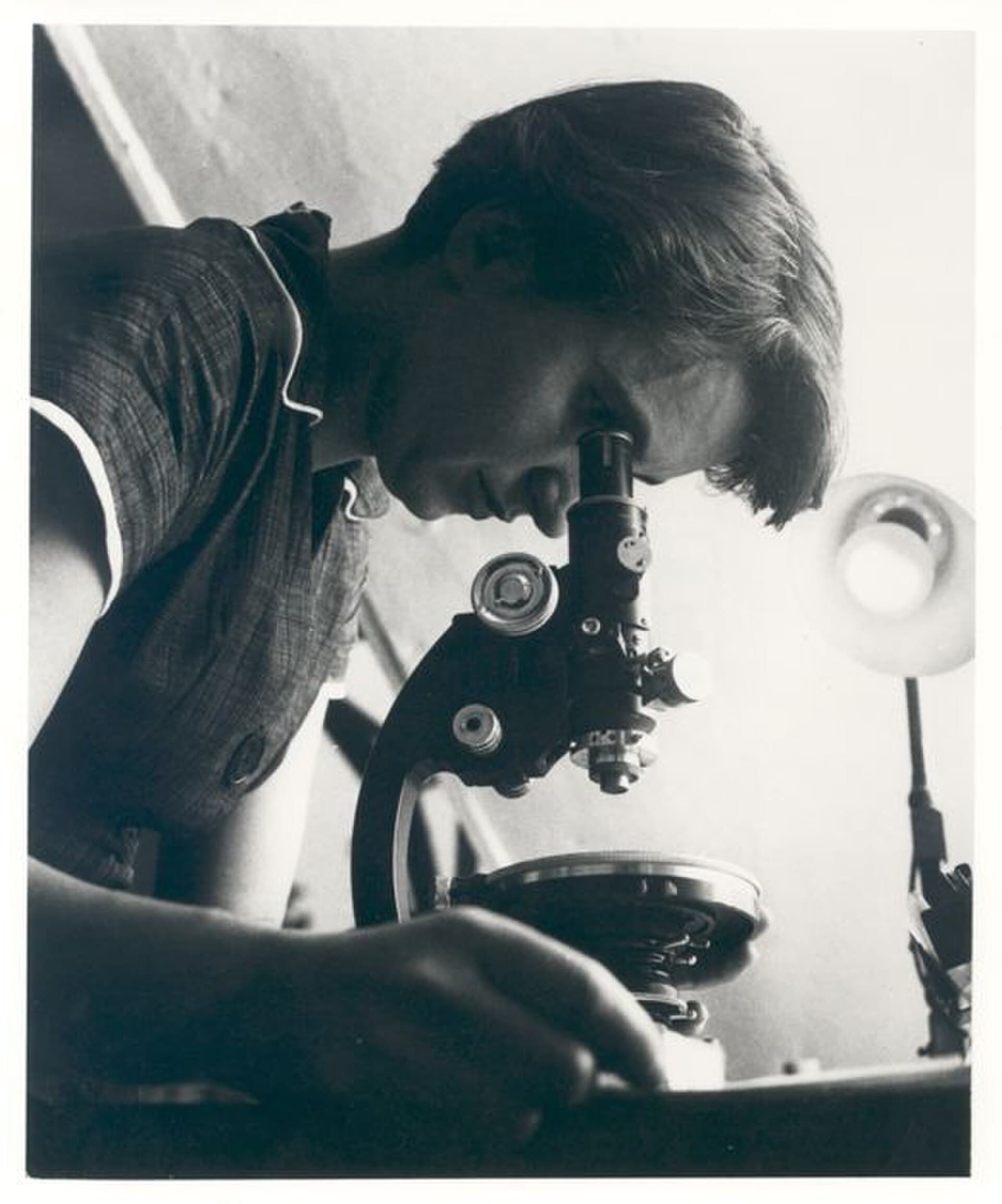
In May 1952, in a dimly lit laboratory at King's College London, Rosalind Franklin, a formidable scientist, and her graduate student, Raymond Gosling, embarked on a pivotal experiment. They meticulously placed a fibre of DNA into a precisely aligned X-ray apparatus, an act requiring both precision and patience. Over the course of 62 painstaking hours, a single photographic plate was exposed, revealing an image that would become iconic in the annals of science: Photograph 51. This image, with its distinct X-shaped diffraction pattern, was legible to those skilled in X-ray crystallography. It was the unmistakable signature of a helical molecule, comprised of two intertwined strands, thus laying bare the essential geometric parameters of DNA. The clarity of the pattern suggested a helical structure with specifications such as approximate diameter, pitch, and rise. Yet, as with many scientific breakthroughs, the journey from raw data to the reshaping of biological understanding was fraught with interpersonal complexities and ethical quandaries.
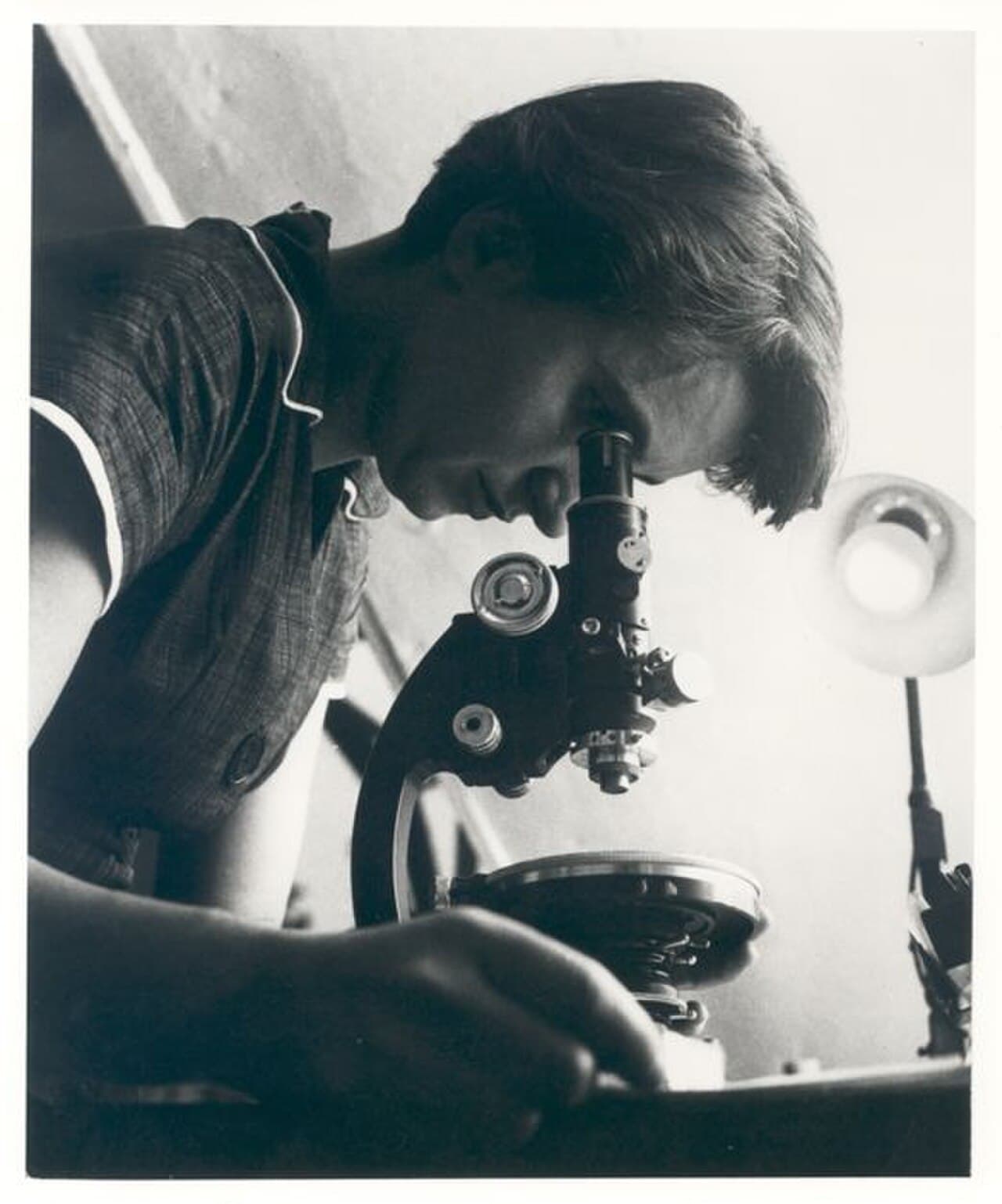
Who Franklin was
Rosalind Franklin was born in London in 1920, into a well-to-do Anglo-Jewish family. Her early years were marked by academic brilliance, leading her to Cambridge University, where she studied physical chemistry at Newnham College from 1938 to 1941. Her doctoral work during the war years at Cambridge focused on the structure of coal, showcasing her early penchant for meticulous structural analysis. This expertise only deepened during her time in Paris from 1947 to 1950, at the Laboratoire Central des Services Chimiques de l'État. Here, she honed her skills in X-ray crystallography, becoming one of the most proficient practitioners in Europe. These Paris years, often overshadowed in popular narratives, were crucial in shaping her scientific approach. Returning to England in 1951, Franklin joined John Randall's biophysics unit at King's College London, bringing with her a formidable analytical toolbox and a drive that would soon place her at the heart of one of the 20th century's most significant scientific revelations.
The Randall lab and Wilkins
At King's College London, Franklin was tasked by John Randall with applying her crystallographic methods to the study of DNA fibres, a project carrying immense scientific potential. However, her arrival coincided with a significant miscommunication. Maurice Wilkins, a senior researcher who had been investigating DNA structure since 1947, was away on holiday when Franklin joined the lab. Upon his return, Wilkins presumed that Franklin's role was to collaborate with him on DNA, a misunderstanding rooted in Randall's failure to communicate effectively. Randall had, in fact, intended for Franklin to lead the DNA fibre research, an expectation that clashed with Wilkins's own ambitions. This early discord planted the seeds of a lasting animosity between Franklin and Wilkins. From 1951 to 1953, although they shared a laboratory, the two barely spoke, their interactions marred by a tension that would profoundly influence the unfolding drama around the discovery of DNA's structure.
What Photograph 51 actually showed
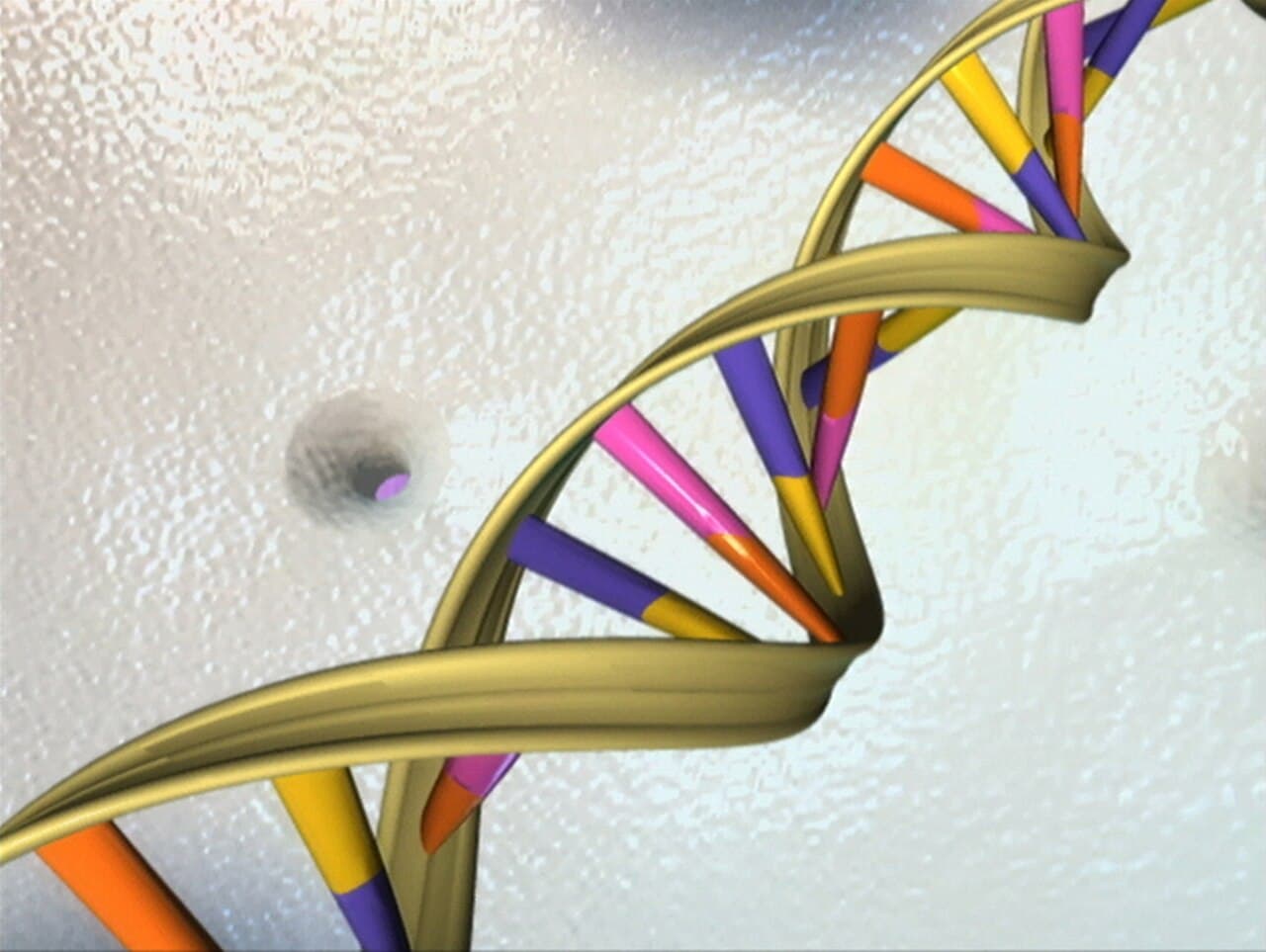
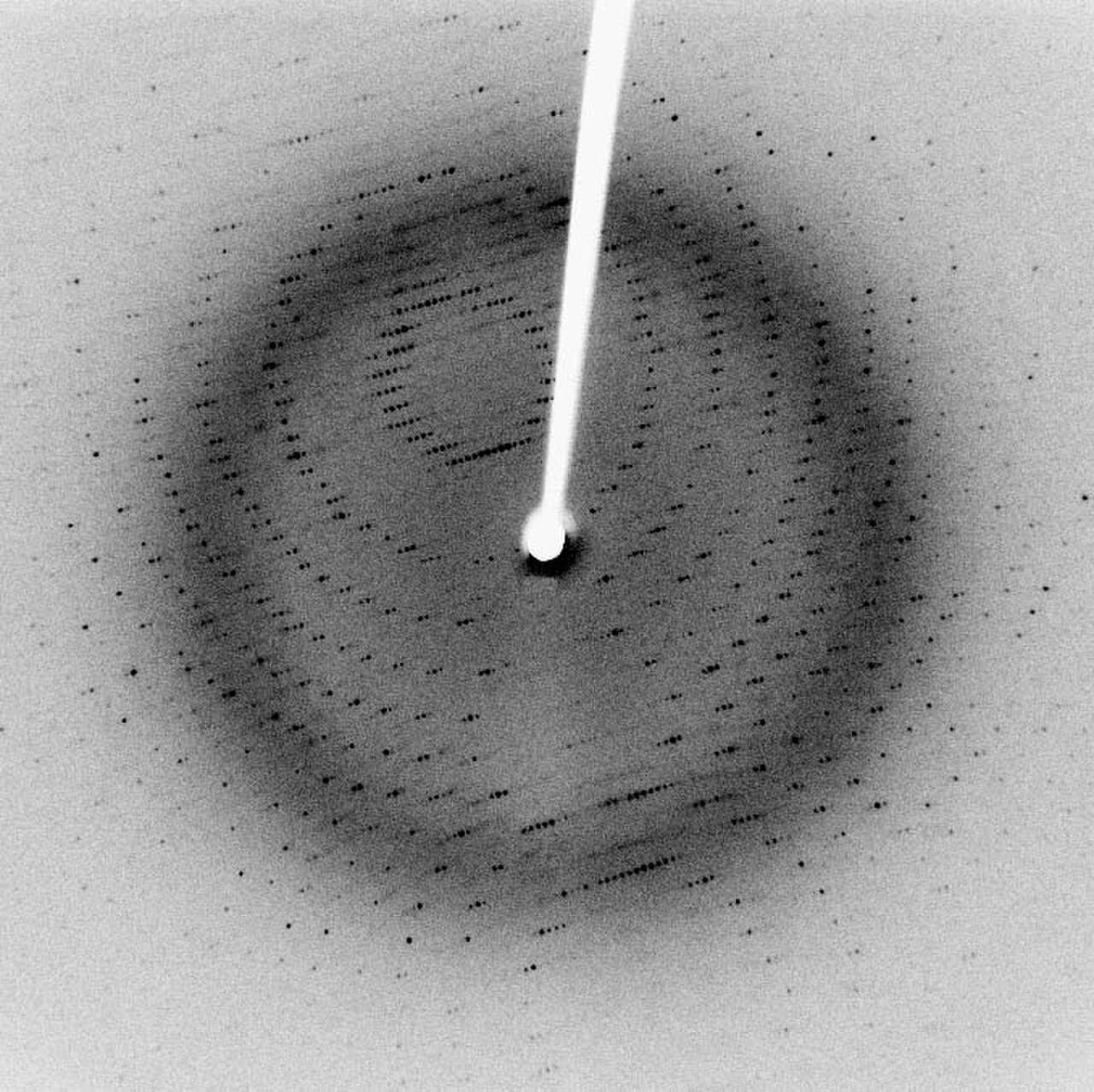
Photograph 51 was not just a random snapshot; it was the result of Franklin's incisive focus on DNA's crystalline forms. DNA fibres could crystallise into two distinct forms: A and B. The A form, being drier and more ordered, yielded a complex diffraction pattern rich with structural information but challenging to interpret. It was this A form that dominated Franklin's 1951-1952 investigations. In contrast, the B form, captured in Photograph 51, revealed a simpler, yet profound, helical diffraction signature. This iconic image encoded critical information: the double helix structure, with strands running in antiparallel directions, the internal positioning of the bases, and the external sugar-phosphate backbone. The image also suggested a helical pitch of approximately 34 angstroms, accommodating 10 base pairs per turn. Such clarity in structural detail was revolutionary, providing a geometric blueprint that was crucial to understanding the molecular architecture of DNA.
What Watson and Crick saw, and how
By January 1953, James Watson and Francis Crick at the Cavendish Laboratory in Cambridge were eager but frustrated. For two years, their efforts to elucidate the DNA structure had yielded little. Then, in late January, a pivotal moment occurred: Maurice Wilkins, without Franklin's knowledge or consent, showed Watson Photograph 51. This act, ethically questionable, provided Watson with a crucial piece of the puzzle. Concurrently, Crick obtained a report Franklin had prepared for the Medical Research Council. This report, shared with him by Max Perutz, included Franklin's precise measurements of the unit-cell dimensions for B-form DNA. Armed with these insights, Watson and Crick rapidly assembled their double-helix model. Their paper acknowledged Franklin's data, albeit in a rather dismissive manner: 'we have been stimulated by a knowledge of the general nature of the unpublished experimental results.' This cursory nod significantly underplayed Franklin's foundational contribution, setting the stage for decades of contested narratives.
The 1953 Nature triple
On 25 April 1953, the scientific community was introduced to a groundbreaking revelation through the pages of Nature. Three back-to-back papers were published that day, collectively elucidating the structure of DNA. The first, authored by Watson and Crick, proposed the now-iconic double helix model, a concept that would revolutionize biology. Following this was a paper by Wilkins, which presented diffraction data that supported the Watson-Crick model. Finally, the third paper came from Franklin and Gosling, presenting Franklin's own meticulous measurements and conclusions, which independently approached the double helix from a different analytical angle. The order of these papers, with Watson and Crick leading, would shape the canonical narrative of DNA's discovery. It is this arrangement that firmly entrenched the Cambridge duo in the public's imagination as the sole architects of DNA's structural understanding, inadvertently sidelining Franklin's substantial role in the scientific achievement.
The 1962 Nobel
The Nobel Prize in Physiology or Medicine was awarded in 1962 to Watson, Crick, and Wilkins, forever linking their names with the discovery of DNA's double helix. Rosalind Franklin, however, was conspicuously absent from this accolade. Having died of ovarian cancer in April 1958, at the young age of 37, Franklin was ineligible for the prize, as the Nobel is not awarded posthumously. Even had she lived, it is unlikely the Nobel committee would have divided the prize four ways, given the norms of the time. The exclusion of Franklin from this crowning achievement has fueled debates over scientific credit and recognition. While her omission from the Nobel was dictated by the rules, the broader historical narrative has often failed to adequately recognize her pivotal contributions. Her exclusion from the Nobel laureates does not diminish her role; instead, it highlights the structural biases that pervaded the scientific community.
The recent reassessment
Recent scholarship has aimed to rectify the historical oversight regarding Rosalind Franklin's contributions to the discovery of DNA's structure. Since 2018, Matthew Cobb and Nathaniel Comfort have meticulously examined Franklin's letters, lab books, and contemporaneous reports, culminating in their 2023 Nature commentary. Their research reveals that Franklin was far closer to deciphering the DNA structure than previously acknowledged. Contrary to Watson's portrayal in his memoir, "The Double Helix," Franklin was not stymied by an inability to interpret her data. Instead, her March 1953 lab notes indicate that she had recognized the antiparallel double-helical nature of B-DNA and was actively working towards a comprehensive model at the time Watson and Crick published theirs. This nuanced view challenges both the 'cheated' and 'unable to see it' narratives, portraying Franklin as a scientist on the cusp of a breakthrough. Her data, interpreted correctly and independently, was appropriated without her authorisation, underscoring the ethical complexities of collaborative scientific discovery.
Rosalind Franklin's scientific journey did not end with the contentious DNA episode. In 1953, she moved to Birkbeck College, distancing herself from the fraught environment at King's College. Here, she embarked on pioneering work on the tobacco mosaic virus in collaboration with Aaron Klug. Her research in this new domain was significant and paved the way for Klug's later recognition, including his Nobel Prize in 1982. Franklin's premature death in 1958 meant that she did not live to see the full appreciation of her contributions. However, the historiographical efforts of the past two decades have sought to correct the record. These revisions do not sanctify Franklin but instead present her as she truly was—a dedicated and accomplished scientist whose data and insights were pivotal in one of biology's greatest discoveries. Her legacy, now more accurately documented, underscores the importance of recognising all contributors in scientific advances.
References
- Cobb, M., & Comfort, N. (2023). What Watson and Crick really took from Franklin. Nature, 616, 657–660.
- Maddox, B. (2002). Rosalind Franklin: The Dark Lady of DNA. HarperCollins.
- Franklin, R. E., & Gosling, R. G. (1953). Molecular configuration in sodium thymonucleate. Nature, 171, 740–741.
- Watson, J. D., & Crick, F. H. C. (1953). Molecular structure of nucleic acids. Nature, 171, 737–738.


