
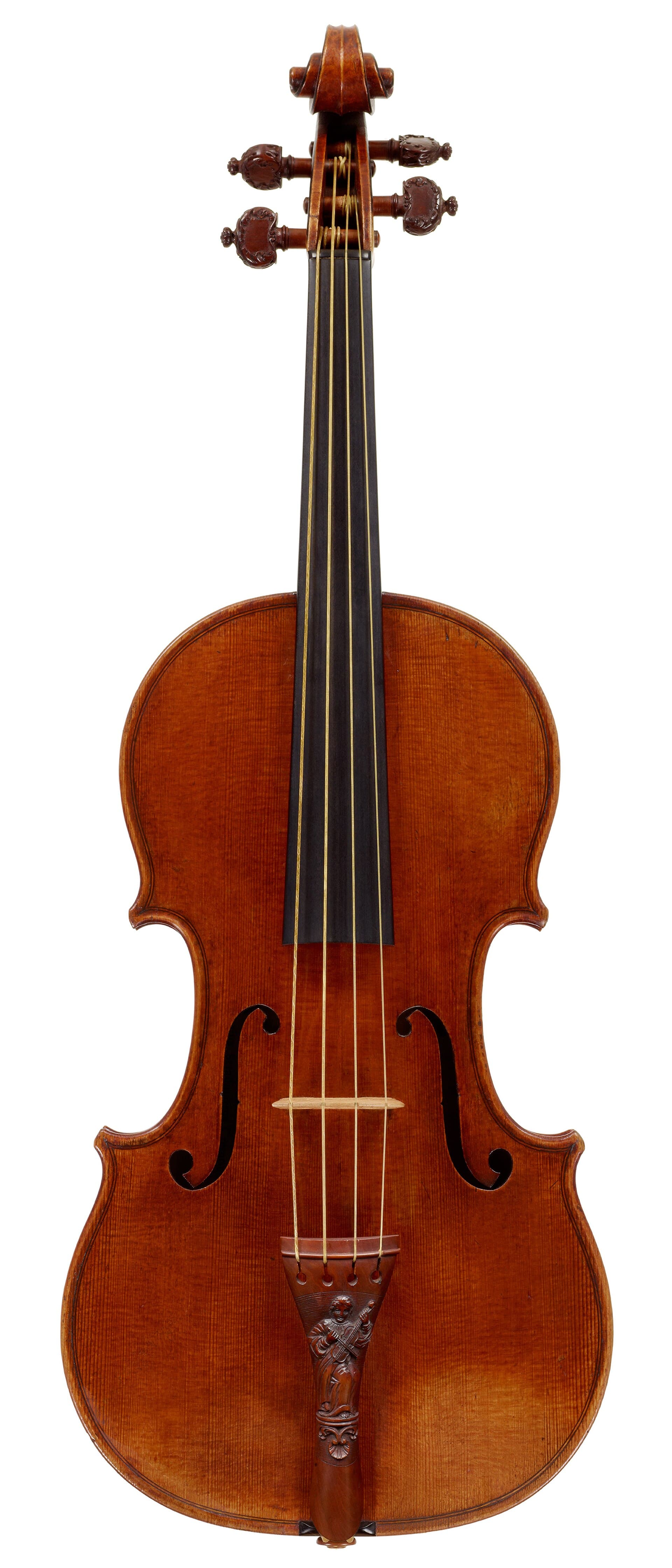
In June 2011, an event that highlighted the extraordinary market value of Stradivari violins occurred at a Tarisio auction in London. The 'Lady Blunt' Stradivarius, crafted by Antonio Stradivari in 1721, fetched an astounding £9.8 million. Named after its 19th-century owner, Anne Blunt, the granddaughter of Lord Byron, this violin stands among approximately 650 surviving instruments of the estimated 1,100 that Stradivari is believed to have produced throughout his six-decade career. Today, most of the surviving Stradivari violins are lent to professional musicians rather than sold outright. When they do change hands, it is typically the purview of wealthy collectors or foundations. The Stradivarius label commands a substantial premium in the musical instrument market, with prices far exceeding those of comparable contemporary violins. Such is the allure and mystique surrounding these instruments that their historical and cultural value often appears to overshadow their acoustic characteristics.
Who Stradivari was
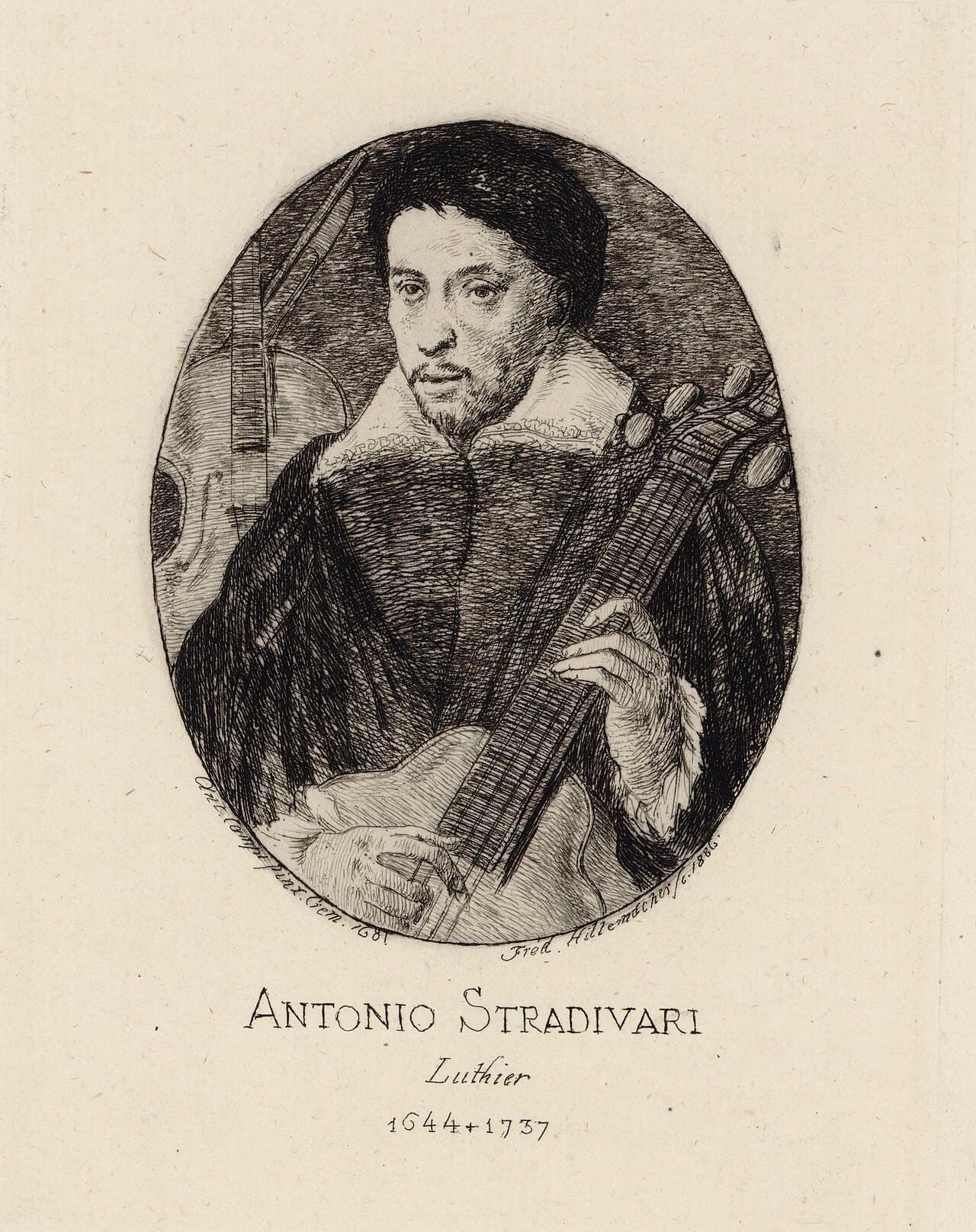
Antonio Stradivari was born around 1644 in Cremona, a city in northern Italy that would become synonymous with the art of violin making. His formative years were spent apprenticing with Nicolò Amati, a member of the famed Amati family, who were pivotal in developing the modern violin form in the late 16th century. Stradivari set up his own workshop around 1666, and over the course of his long career, he produced not just violins, but also violas, cellos, and a handful of guitars and harps. However, it is his violins that have garnered the most acclaim. Stradivari's dedication to his craft extended well into his nineties, with his life concluding in 1737 when he was about 93 years old. The period between 1700 and 1725 is often referred to as Stradivari's 'golden period', during which he crafted instruments of unparalleled quality, further cementing his legacy in the annals of music history.
Stradivari's violins are celebrated for their remarkable sound and exquisite craftsmanship. His meticulous attention to detail and the innovations he introduced to the design of the violin have contributed to the enduring prestige associated with his name. The violins from his golden period are particularly sought after, not just for their historical significance, but also for their perceived acoustic superiority. These instruments are treasured both as works of art and as tools for creating art, a testament to Stradivari's mastery and the lasting impact he has had on the world of classical music.
Why people think Stradivari sound different
The mystique surrounding Stradivari violins has led to numerous hypotheses about why they might sound different from other violins, both old and new. One of the earliest theories posited that the unique sound of Stradivari violins was due to the varnish—a particular recipe that was lost when Stradivari's workshop ceased operations. This hypothesis suggested that the varnish, a mix of resins and oils, contributed to the instrument's resonant quality. However, subsequent analyses have shown that while the varnish does play a role, it is not solely responsible for any distinct acoustic properties.
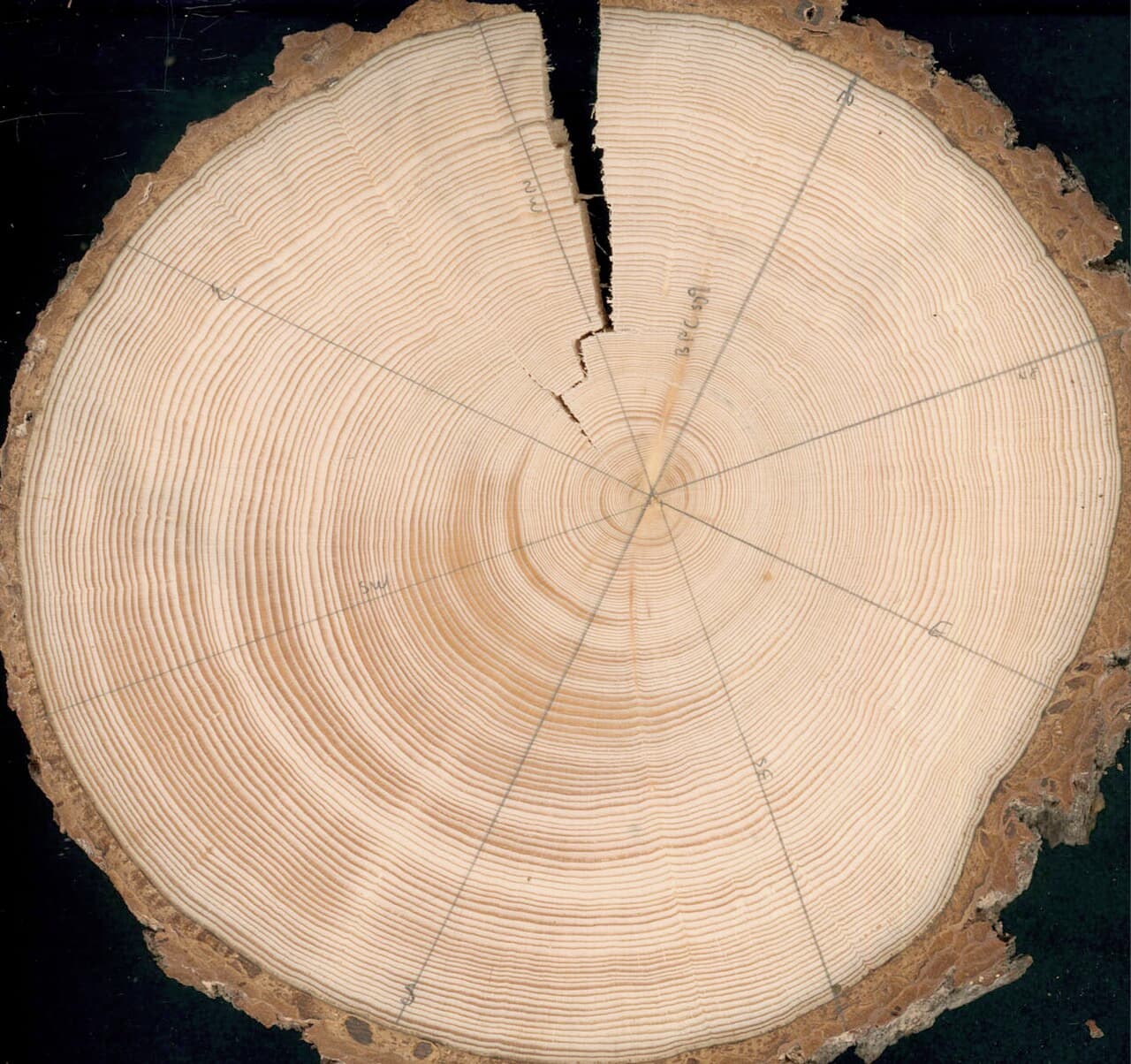
Another popular hypothesis centred on the wood used by Stradivari. It was believed that the alpine spruce harvested during the Maunder Minimum, a period of unusually cold climate between 1645 and 1715, produced wood that was denser and slower-grown, thus providing superior acoustic properties. Additional theories include the specific treatments applied to the wood, such as borate and other minerals, which were intended to preserve the wood and may have inadvertently influenced sound quality. The geometry of Stradivari's instruments, particularly the arching, plate thickness, and placement of the f-holes, has also been scrutinised. Stradivari's adjustments to these elements throughout his career may have fine-tuned his instruments' acoustics. Lastly, the idea that three centuries of being played have bestowed a unique patina on the violins, stabilising the wood, glue, and varnish, is another angle considered by experts. Despite extensive testing, no single hypothesis has definitively explained the alleged acoustic superiority of Stradivari violins.
What the blind tests show
The allure of the Stradivarius has also been tested under scientific conditions. A notable study by Fritz, Curtin, and Tao, published in PNAS in 2012, involved 21 professional violinists participating in a series of double-blind comparisons. These musicians played both old Italian instruments, including Stradivari and Guarneri del Gesù violins, and high-quality contemporary violins crafted by living luthiers. Conducted in dim lighting to prevent visual identification, the study revealed that the violinists could not consistently differentiate between the old and the new instruments. Surprisingly, many participants expressed a preference for the sound and playability of the modern violins.
A follow-up study in 2017, again by Fritz and her colleagues and published in PNAS, extended the testing to concert-hall audiences. The results mirrored those of the previous study: experienced listeners were unable to reliably identify old from new violins. These findings do not suggest that Stradivari violins are inferior to modern instruments; rather, they indicate that the distinct acoustic 'signature' attributed to these historic violins may not be as evident to trained listeners under controlled conditions as the mystique suggests. The studies challenge the notion that Stradivari violins possess a consistently identifiable quality that sets them apart from their contemporary counterparts.
Where the studies have been criticised
While the blind-test studies provide intriguing insights, they have not been without criticism. One major point of contention concerns the selection of instruments for the tests. Critics argue that the Stradivari and Guarneri violins used were not always the finest examples available, potentially skewing the results. Selection effects are significant, given the broad variability in quality among individual instruments, both historical and modern. The settings of these studies have also faced scrutiny. The acoustic environments, often limited to smaller rehearsal spaces or concert halls, may not fully capture the projection characteristics of great violins—qualities that might be most apparent at the back of a large concert venue.
Furthermore, some musicians assert that the true value of a Stradivarius lies in its responsiveness and how it interacts with a player's technique over extended periods, aspects that a brief blind test cannot adequately assess. These criticisms are valid and warrant consideration, yet they do not reinstate the original claim of Stradivari instruments possessing an obvious and consistently recognisable sound. The reality is more nuanced: Stradivari violins are exceptional instruments, akin in quality to the best modern violins, but their market value is propelled by a combination of historical significance, craftsmanship, and cultural investment as much as by acoustic merit.
The science of the wood
The hypothesis that the unique qualities of Stradivari violins might stem from the wood used has captivated both scientists and musicians alike. In 2003, Henri Grissino-Mayer and Lloyd Burckle proposed in their paper that the Maunder Minimum's effect on the growth of alpine spruce trees contributed to the superior sound of Stradivari violins. They suggested that the colder summers and slower tree growth during this period resulted in spruce with narrower and more uniform growth rings, potentially enhancing its acoustic properties.
However, subsequent research has indicated that the wood densities of Stradivari violins do not significantly differ from those of later instruments. As a result, the hypothesis that the Maunder Minimum was a critical factor in the quality of Stradivari instruments has weakened over time. The current consensus among experts is that while Stradivari undoubtedly used high-quality wood and was meticulous in his selection, the wood itself does not possess any extraordinary properties. It appears that Stradivari's genius lay more in his craftsmanship and the consistent treatment of materials rather than in any magical attributes of the wood.
Today, the vast majority of Stradivari violins are in active use, continuing to contribute to the world of classical music. Many of the concertos and recordings cherished over the last century have been played on these revered instruments. What remains of the 'Stradivarius mystery', after peeling away the layers of romance and speculation, is a recognition of the brilliance of 18th-century Italian luthiers. The conditions of the time—ranging from climate to available materials, to the concentration of craft expertise in Cremona—resulted in exceptional violins that have endured through the centuries. These instruments are indeed excellent, though not beyond the reach of modern craftsmanship.
In conclusion, the cultural premium associated with Stradivari violins is immense and enduring. The acoustic premium, while real, does not necessarily correlate with the astronomical market prices these violins command. Both facets of the Stradivarius mystique—the cultural and the acoustic—have been empirically measured, and neither invalidates the other. Together, they paint a picture of a marketplace that values exceptional craftsmanship not solely for its sonic qualities, but for its historical, aesthetic, and cultural significance as well.
References
- Fritz, C., Curtin, J., Poitevineau, J., Morrel-Samuels, P., & Tao, F. (2012). Player preferences among new and old violins. PNAS, 109(3), 760–763.
- Fritz, C., Curtin, J., Poitevineau, J., & Tao, F.-C. (2017). Listener evaluations of new and Old Italian violins. PNAS, 114(21), 5395–5400.
- Grissino-Mayer, H. D., & Burckle, L. (2003). Stradivari, violins, tree rings, and the Maunder Minimum: A hypothesis. Dendrochronologia, 21(1), 41–45.
- Pollens, S. (2010). Stradivari. Cambridge University Press.


