
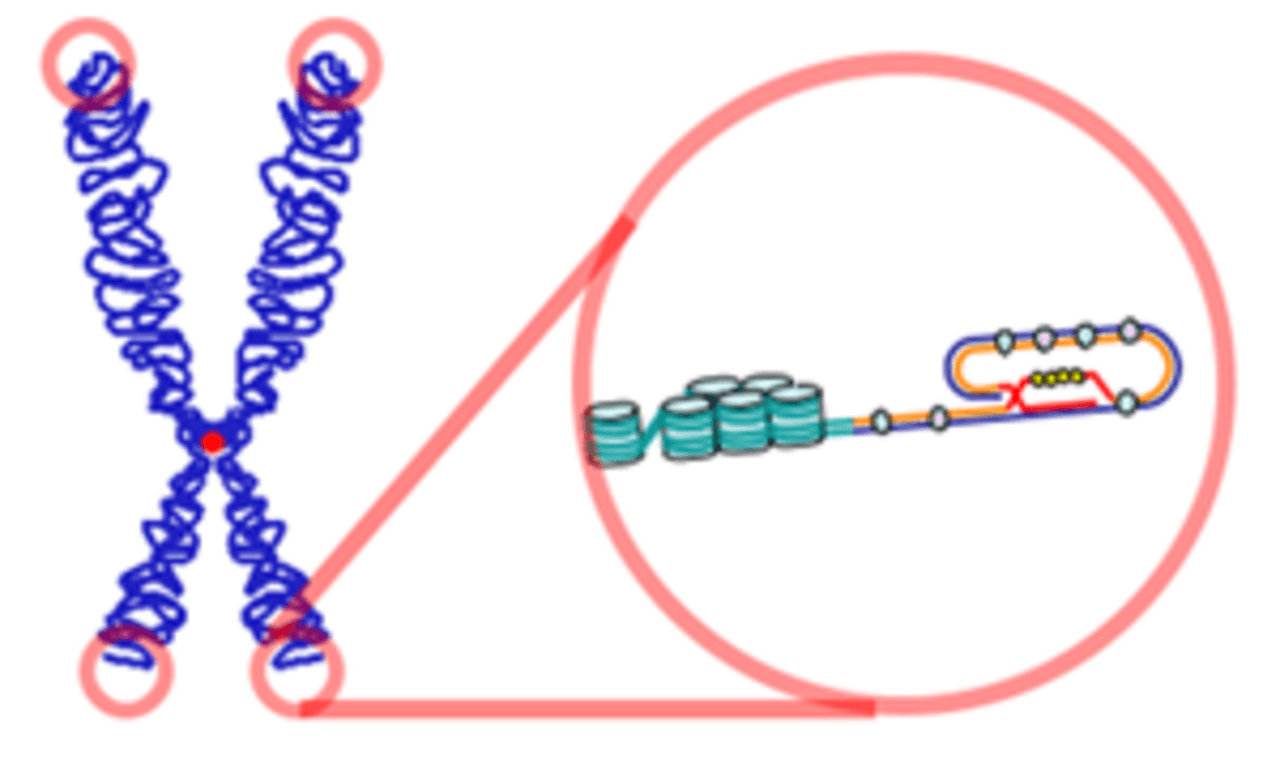
In 1961, Leonard Hayflick, a relatively unknown postdoctoral researcher at the Wistar Institute in Philadelphia, conducted an experiment that would reshape our understanding of cellular aging. At the time, the prevailing belief, championed by Nobel laureate Alexis Carrel, was that cells, given the right conditions, could divide indefinitely. Carrel claimed to have sustained a chicken-heart cell culture from 1912 until 1946, which he attributed to the inherent immortality of cells. However, Hayflick's meticulous experiments with human fibroblasts revealed something quite different. His cells divided between 50 to 60 times before they ceased to divide further, entering a state of non-dividing, stable existence, now known as replicative senescence. This observation, published in Experimental Cell Research, was initially met with skepticism, largely because it challenged Carrel's celebrated claims. Yet, Hayflick's findings eventually proved correct, revealing that cells possess a finite replicative capacity governed by the shortening of telomeres—protective caps at the ends of chromosomes. The acceptance of the 'Hayflick limit' marked a turning point, establishing that cellular aging is a regulated process, encoded in our very DNA. The critical question, then, is not simply why we age, but why our biology is programmed to age in the manner that it does.
The ten hallmarks
The framework of aging as a regulated process was further refined in 2013 when Carlos López-Otín and colleagues published a seminal paper in Cell titled 'The Hallmarks of Aging'. This work proposed a comprehensive framework for understanding aging by identifying nine interconnected mechanisms responsible for the biological aging process, recently expanded to ten in 2023. These hallmarks are: genomic instability, telomere attrition, epigenetic alterations, loss of proteostasis, disabled macroautophagy, deregulated nutrient-sensing, mitochondrial dysfunction, cellular senescence, stem-cell exhaustion, and altered intercellular communication. Recent additions include chronic inflammation and dysbiosis, recognizing the role of inflammation and microbial imbalances in aging.
Each of these hallmarks represents a distinct aspect of the aging process, with specific mechanisms and potential interventions. Genomic instability refers to the accumulation of DNA damage over time, while telomere attrition is the gradual shortening of telomeres, leading to cellular senescence as observed by Hayflick. Epigenetic alterations involve changes in DNA methylation and chromatin structure, affecting gene expression. Loss of proteostasis pertains to the failure of protein maintenance systems, while disabled macroautophagy involves impaired cellular recycling mechanisms. Deregulated nutrient-sensing pathways, such as the insulin/IGF-1 and mTOR pathways, contribute to aging by altering cellular metabolism. Mitochondrial dysfunction leads to a decline in energy production, and stem-cell exhaustion results in decreased tissue regeneration capacity. These hallmarks are interlinked, with interventions targeting one often impacting others, providing a nuanced vocabulary for discussing aging. The aging process of a 75-year-old human is not a monolithic event; it is a complex interplay of these ten mechanisms.
Cellular senescence and the most-promising target
Cellular senescence, the state first identified by Leonard Hayflick, is more dynamically involved in the aging process than initially appreciated. Senescent cells, while no longer dividing, remain metabolically active and secrete a variety of inflammatory cytokines, growth factors, and enzymes—a phenomenon termed the senescence-associated secretory phenotype (SASP). In younger tissues, these cells play beneficial roles, such as suppressing tumor formation, aiding in wound healing, and preventing fibrosis. However, as we age, the accumulation of senescent cells contributes to tissue dysfunction and chronic inflammation.
The recognition of the detrimental effects of senescent cells in aged tissues has led to the development of senolytics—drugs designed to selectively eliminate these cells. James Kirkland's group at the Mayo Clinic made significant strides in this area, publishing a pivotal study in 2015 demonstrating that a combination of dasatinib (a cancer drug) and quercetin (a plant-derived flavonoid) could effectively reduce senescent cell burden in mice, leading to improvements in age-related conditions. Following this breakthrough, a range of senolytics such as fisetin and navitoclax have shown promise in preclinical models. While human trials are ongoing, and no senolytic has yet received approval for general clinical use, this approach holds considerable potential as a therapeutic strategy targeting one of the fundamental hallmarks of aging.
Why we age in the first place: evolutionary biology
The existence of aging poses an evolutionary puzzle: why would natural selection allow for a process that ultimately leads to decline and death? Several theories from evolutionary biology provide insight. Peter Medawar's mutation accumulation hypothesis posits that natural selection is less effective at weeding out deleterious mutations that only manifest later in life, after an organism has reproduced. Thus, these mutations accumulate over generations, contributing to aging.
George Williams introduced the concept of antagonistic pleiotropy, suggesting that some genes confer benefits early in life at the cost of adverse effects later. This trade-off is evolutionarily favorable because early-life reproductive success outweighs late-life detriments. Lastly, Tom Kirkwood's disposable soma theory argues that organisms allocate resources between reproduction and bodily maintenance, opting for reproduction over long-term somatic upkeep. These hypotheses collectively suggest that aging is an adaptive, albeit imperfect, outcome of evolution, shaped by ecological pressures and resource allocation. The diversity of aging patterns across species—from the seemingly immortal hydra to the exceptionally long-lived bowhead whale—emphasizes that aging is not an inevitable trait of all biological life but a strategy adopted by our evolutionary ancestors.
What an 80-year-old's body actually has
An 80-year-old human body is a living repository of accumulated biological changes that began decades earlier. Telomeres, on average, have shortened to around 40% of their original length compared to a 20-year-old's. Somatic mutations have accrued in all dividing cell lines, contributing to age-related decline. The immune system's T-cell repertoire has narrowed, impairing its ability to respond to new pathogens. Senescent cells have accumulated in every major tissue, releasing SASP factors that promote inflammation and tissue degeneration. Mitochondria, the cellular powerhouses, are damaged, leading to decreased energy production, while stem-cell populations have dwindled, reducing regenerative capacity across the body.
These biological shifts underpin the common diseases of aging: type 2 diabetes, cardiovascular diseases, neurodegenerative disorders like Alzheimer's, and various cancers. Traditional medical strategies have focused on treating these diseases in isolation, but a growing shift towards addressing the root causes—these aging hallmarks—promises a more integrated approach. This paradigm shift, akin to the germ theory's revolution of medicine, could transform how we manage health in our later years, aiming not just for longevity, but for a healthier, more robust old age.
The hype layer above the science
With genuine advancements in aging biology comes a vast commercial and ideological surge in the anti-aging industry. Supplements like NAD+ precursors, resveratrol, and others are sold with promises of reversing or slowing aging. Yet, the evidence supporting these claims is tenuous at best. While animal studies have shown some benefits, translating these findings to humans has proven challenging. Resveratrol, once celebrated for its potential to mimic calorie restriction benefits in mice, has failed to deliver significant results in human trials. Similarly, while NAD+ precursors can increase NAD+ levels in humans, clear functional benefits remain elusive.
The Interventions Testing Program (ITP) at the National Institute on Aging rigorously evaluates interventions in mice across multiple labs, providing a more sober perspective. Compounds like rapamycin, acarbose, and 17-α-estradiol have shown genuine lifespan extension in mice, yet many popular supplements do not make this list. As of 2026, the global anti-aging supplement market is valued at approximately $80 billion, highlighting the gap between scientific evidence and consumer belief. The allure of a simple pill to stave off aging fuels this industry, but the true science remains in its infancy, requiring careful differentiation from market-driven hype.
What is plausible by 2050
Anticipating the future of aging science is fraught with uncertainty, yet several developments seem likely within the next few decades. By 2050, senolytics could be approved for treating specific age-related conditions, with broader indications for healthspan improvements in advanced trials. Techniques like Yamanaka-factor cellular reprogramming, which partially reset cellular age and have been demonstrated in mice, will likely progress into early human trials. An FDA-approved drug specifically targeting aging processes is plausible by 2035, and almost certain by 2050.
While the prospect of drastically extending human life remains speculative, we can reasonably expect improvements in late-life health, continuing the historical trend of rising life expectancies in high-income countries. Radical life extension, with lifespans exceeding 150 years, remains a distant fantasy unsupported by current evidence. Instead, the realistic goal lies in achieving healthier 70s and 80s, enhancing the quality of life without necessarily extending its length. The more extravagant visions of eternal youth and biological immortality, often entertained in speculative circles, are yet to find grounding in the scientific literature.
Understanding the intricacies of aging reveals that it is not a singular, linear process but a collection of distinct mechanisms—telomere attrition, senescent-cell accumulation, mitochondrial decay, and others—each following its trajectory. Collectively, these processes create the experience of aging, from the cellular level to the organismal. Some mechanisms are already being targeted in animal models, and human trials are underway. The timeline of advancements in aging biology mirrors the early days of infectious disease research, which, over decades, transitioned from theoretical understanding to practical intervention.
As we stand on the precipice of this new frontier in biology, it is the work of young scientists today that will shape the interventions of tomorrow. By 2050, those beginning their careers now may witness the fruition of today's research efforts, potentially altering the aging experience for future generations. The long arc of scientific progress requires patience and perseverance, but it is also the catalyst for profound change in human health and longevity.
References
- Hayflick, L. (1965). The limited in vitro lifetime of human diploid cell strains. Experimental Cell Research, 37(3), 614–636.
- López-Otín, C., et al. (2013). The Hallmarks of Aging. Cell, 153(6), 1194–1217.
- Zhu, Y., et al. (2015). The Achilles' heel of senescent cells: from transcriptome to senolytic drugs. Aging Cell, 14(4), 644–658.
- López-Otín, C., et al. (2023). Hallmarks of aging: An expanding universe. Cell, 186(2), 243–278.


